-->
-->
  • About Us
  • Treatment Prices
  • Blog
  • Contact Us
  • Complaints Procedure
  • -->
    -->
  • About Us
  • Our Clinic
  • Treatment Prices
  • Blog
  • Contact Us
  • Complaints Procedure
  • Best Fungal Nail Treatment in UK

    Struggling with fungal infections in your toenails? Fungal infections can cause discomfort, discolouration, and thickening of the nails, affecting their appearance and health. Without timely treatment, this condition can become more difficult to manage.

    At Yorkshire Skin Centre in Leeds, UK, we offer advanced fungal toe treatments designed to effectively eliminate infections and restore the health, strength, and clarity of your nails.

    Rated 5 out of 5

    Excellent on   Google Logo
    5.0 out of 5.0  from 558 Ratings

    Rated 5 out of 5

    ServiceScore™ Outstanding From 600+ users of  WhatClinic Logo

    3Fungal Toe
    Rated 5 out of 5
    Excellent 245 Reviews
    on  image 13 1
    Rated 5 out of 5
    ServiceScore™ Outstanding From 420 users of  image 11 1

    Our Commitment to Excellence & Safety

    What are
    Fungal Toes?

    Fungal toe infections are a common condition that can affect one or more toenails. They often begin as a small white or yellow-brown spot beneath the nail tip. As the infection progresses, nails can become discoloured, thickened, and brittle. When the fungal infection spreads to the skin between the toes or feet, it is referred to as athlete’s foot (tinea pedis).

    If your condition is mild and not causing discomfort, treatment may not be necessary. However, if the infection leads to thickened, painful nails, professional care and medications can provide relief. Even after successful treatment, fungal infections can recur, making proper care and follow-up essential.

    What Causes Fungal Toes?

    check

    Moist Environments

    Fungi thrive in warm, damp places. Walking barefoot in public showers, swimming pools, or locker rooms can expose your feet to fungal spores that lead to toe infections.

    check

    Poor Foot Hygiene

    Not washing your feet regularly or skipping nail trimming can allow fungi to grow. Accumulation of dirt and sweat creates an environment where fungi can grow and increase the risk of fungal toe infections.

    check

    Tight Footwear

    Wearing shoes that are too tight or made from non-breathable materials can trap moisture and heat. This lack of air circulation creates a perfect breeding environment for fungi, which makes infections more likely.

    check

    Nail Injuries

    Injuries to the toenails, like cracks or splits, can provide an entry point for fungi. Once the fungi can multiply and cause an infection inside the nail, it leads to discomfort and discolouration.

    check

    Humidity and Sweating

    High humidity and excessive sweating can promote fungal growth. When your feet sweat a lot, it creates a moist environment that is ideal for fungi, increasing the chances of infection.

    check

    Existing Skin Conditions

    Conditions like athlete's foot or eczema can weaken the skin barrier. This makes it easier for fungi to invade the skin, leading to fungal toe infections that can be persistent and difficult to treat.

    Symptoms of Fungal Toe

    A fungal toenail infection, also called onychomycosis, can show up with several noticeable signs:

    check

    Colour changes

    Your nail might turn yellow, white, green, or even black.

    check

    Thick nails

    The nail could become thicker, making it harder to cut.

    check

    Brittle nails

    The nail may crumble, break easily, or pieces might chip off.

    check

    Pain or discomfort

    You might feel pain or tenderness, especially if you press on the nail.

    check

    Nail lifting

    The nail may start pulling away from the skin underneath, leading to swelling or soreness around the nail.

    check

    Separation

    In some cases, the nail might completely detach from the nail bed.

    Fungal infections often begin at the edges of the nail and spread to other areas, such as the nail bed, plate, or root. Toenails are more likely to get infected than fingernails—about seven times more!

    How to Prevent Fungal Toe?

    Here are some simple tips to help prevent fungal toenail infections:

    Wash your feet regularly and dry them thoroughly, especially between the toes.

    Wear fresh socks every day and switch them out if they get damp. Opt for cotton socks, as they let your feet breathe.

    Wear shoes that fit well and are made of breathable materials. Avoid tight shoes or high heels that crowd your toes.

    If you spot signs of athlete's foot, treat it right away to stop it from spreading to your nails.

    Always use a dedicated towel for your feet and wash it often.

    Clean your nail clippers after each use. If you visit a nail salon, ensure their tools are properly sterilised.

    Avoid sharing shoes, towels, or nail clippers with others.

    Use flip-flops in places like locker rooms, showers, and pool areas to protect your feet.

    Cut your nails straight across and smooth the edges with a file. Avoid ripping or tearing them.

    Apply antifungal powders or nail-strengthening products to keep your nails and cuticles healthy.

    Best Toenail Fungus Treatment in UK

    NeoGen Plasma Laser Treatment

    At Yorkshire Skin Centre, we utilise NeoGen Plasma Laser for fungal toe infections. This cutting-edge treatment involves a series of low-energy sessions (typically 8 sessions spaced 2-4 weeks apart). The laser penetrates beneath the nail bed, targeting and eliminating the bacteria that cause the fungal infection. Results become more noticeable over 3-6 months as new, healthy nails grow in.

    Know More >>

    It is essential to consult

    with our qualified skincare professional to determine eligibility based on individual health and skin conditions.

    Meet the Team

    We are a group of dedicated individuals committed to excellence and collaboration.

    Contact Yorkshire
    Skin Centre in Leeds

    Award Icon
    Aesthetic Clinic of the Year 2022 North of England & Midlands
    unnamed 1 removebg preview
    One of the Three Best Rated Cosmetic Clinics 2024 in Leeds.

    Contact Yorkshire
    Skin Centre in Leeds

    Award Icon
    Aesthetic Clinic of the Year 2022 North of England & Midlands

    Before & After Gallery

    Explore the transformation our clients have experienced with our advanced fungal toe treatments, led by Dr Raj Thethi and his skilled team.

    Giving you a glimpse of the extraordinary results our treatments have delivered to our satisfied clients

    Why Choose Yorkshire Skin Centre?

    • CQC registered

    • Award winning team

    • Doctor led clinic

    • Aesthetic Clinic of the Year 2022

    • 14 National Awards

    • Reputable Clinic

    • GMC Registered

    • Consultation Not Sales

    • Code of Conduct

    Contact Us Today

    Ready to achieve your aesthetic goals and and boost your confidence?
    Schedule a consultation with our expert team and discover the perfect treatment for your needs. We offer a wide range of services to help you look and feel your best, with top-quality care every step of the way.

    Group

    What they say about us

    Take a look below at the aesthetic treatment results achieved by our team.

    FAQ

    Frequently Asked Questions :

    Toenail fungus is common and usually not dangerous, but it can cause your nails to become discoloured or misshapen. In some cases, the fungus can spread to the skin or other parts of the body, so prompt treatment is advised.

    Home remedies like vinegar foot soaks may help due to vinegar’s antifungal properties. Mixing vinegar with Epsom salt, baking soda, or essential oils can enhance its effectiveness. For persistent infections, professional treatment is recommended.

    While typically not dangerous, toenail fungus can be uncomfortable and challenging to treat. It often develops slowly, causing nails to thicken, change colour, and become brittle.

    A deficiency in biotin may increase the risk of fungal infections, leading to changes in nail texture, colour, and overall health.

    Over-the-counter creams, powders, and home remedies like tea tree oil or hydrogen peroxide can be effective for mild cases. However, prescription medication or advanced treatments like laser therapy may be needed for more stubborn infections.

    Connect with Us

    Your Journey to Skin Perfection Starts Here: Schedule Your Consultation at Yorkshire Skin Centre and Experience Personalised Beauty Solutions.

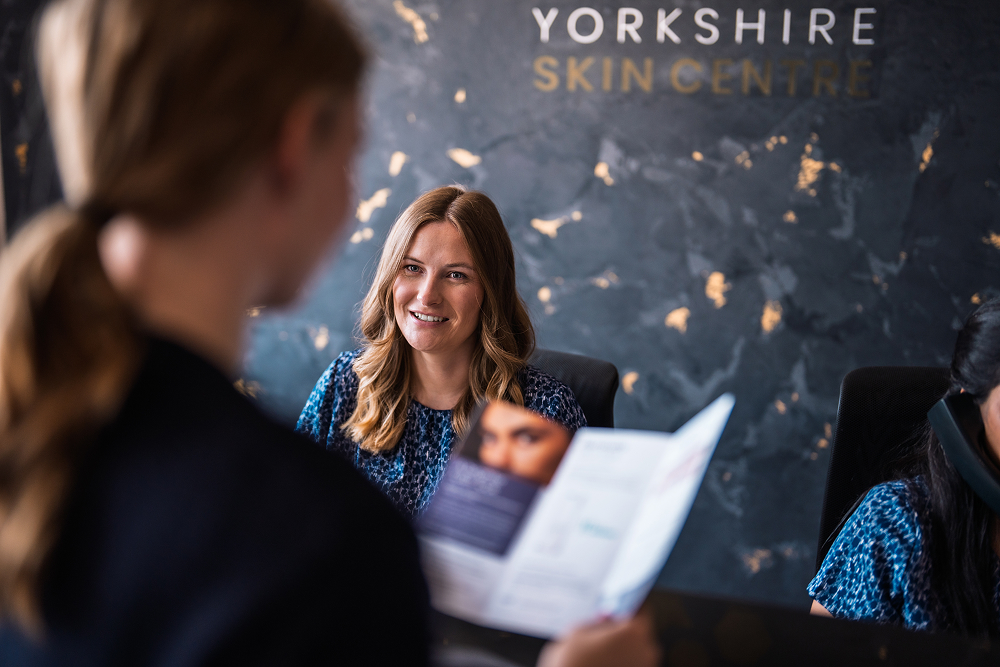
    A Yorkshire Skin Centre receptionist smiling while assisting a client at the front desk.

    Yorkshire Skin Centre UK : A premier  destination in aesthetics and skin care

    • Cutting-edge treatments
    • Modern facilities
    • Dedication to excellence

    Request a Call Back

    Request a Call Back

    Explore Personalised Beauty Solutions

    BOOK YOUR CONSULTATION

    We’ll use your details to contact you about your enquiry.

    Request a Call Back

    “ Your journey to skin perfection starts here. Leave your details, and our expert team will be in touch shortly.”

    Please provide your details, and we will get back to you shortly.

    Book a
    Consultation

    Rated 5 out of 5

    Excellent 470+ Reviews

    on  Google Logo

    Blepharoplasty

    Blepharoplasty, also known as an eye lift, is a surgical procedure performed on the eyelids to improve their appearance. It can address concerns like:

    • Excess skin on the upper eyelids: This can obstruct vision and create a hooded appearance.

    • Bags under the lower eyelids: These can make you look tired or aged.

    • Drooping lower eyelids: This can also obstruct vision and contribute to a tired appearance.


    Types of Blepharoplasty:

    • Upper blepharoplasty: This addresses concerns with the upper eyelids, removing excess skin and sometimes fat or muscle tissue.

    • Lower blepharoplasty: This addresses concerns with the lower eyelids, removing excess fat or skin and sometimes repositioning tissues.

    • Asian blepharoplasty: This addresses specific concerns related to the anatomy of Asian eyelids, creating a more defined crease.