Is Blepharoplasty Safe? A Clear, Honest Guide for Patients
If you’ve been thinking about eyelid surgery, it’s normal to pause and ask the big question: is blepharoplasty safe? You might be looking in the mirror and noticing heavy upper lids, under-eye “bags,” or a tired look that doesn’t match how you feel. You may also be wondering whether surgery near the eyes is risky.
Let’s walk through this in a calm, clear way. You’ll learn what “safe” really means in medicine, what you should expect after surgery, what the real risks are, and how to stack the odds in your favour by choosing the right team and preparing well.
What is blepharoplasty?
Blepharoplasty is eyelid surgery. It can be done on:
- Upper eyelids (upper blepharoplasty): frequently to eliminate additional skin that folds over the lid, sometimes creating an eye that looks “hooded.”
- Lower eyelids (lower blepharoplasty): frequently performed to diminish under-eye bags or tighten up loose skin.
- Both upper and lower on the same plan, if that is what you need.
Some do it for cosmetic reasons, and some because the skin on their upper lid is so heavy it’s impairing vision (this may be treated in hospital eye services when sight and daily life are affected). Re the site, NHS guidance lists common and short-term effects, including puffy/numb lids, watering, irritated eyes for a few weeks, bruising, and scars that become paler over time.
Understanding Blepharoplasty Scars can help set realistic expectations after surgery, as most scars are carefully placed within natural eyelid creases and tend to fade gradually with proper aftercare.
Is blepharoplasty safe?
For most healthy adults, blepharoplasty is a safe and routine procedure when planned and performed correctly by a properly trained surgeon in an appropriate setting.
But “safe” is not the same as zero risk. All surgery carries risks, such as reactions to anaesthetic and bleeding. Eyelid surgery also entails some risks that are unique to the eyelids and eyes: dry eyes, difficulty fully closing the eye (usually temporary), infection, scarring, asymmetry of the shape, and, in very rare cases, severe bleeding behind the eye that impairs vision.
A good way to think about this is the following:
- The majority of patients recover well, have predictable swelling/bruising , and feel “back to normal” after weeks.
- Some people have mild symptoms that clear up on their own or with minimal treatment (such as extra dryness).
- A few may require a second surgery to adjust the result.
- A few very unlucky individuals may land in a world of hurt (think major bleeding behind the eye), which is why surgeon selection and proper aftercare instructions are big deals.
What’s normal after blepharoplasty?
A lot of worry comes from not knowing what “normal healing” looks like. Common short-term effects include:
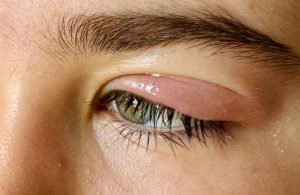
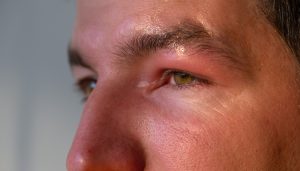
- Swelling and bruising around the eyelids
- Watery, irritated, or sensitive eyes for a few weeks
- Puffy or numb eyelids that can feel tight and harder to close at first
- Blurrier vision for a short time (often from swelling, ointment, or dryness)
- Small scars that fade and usually sit in natural creases.
These are commonly described in NHS patient information, and they’re usually temporary.

Ready to achieve your aesthetic goals?
- Over a Decade of Surgical & Aesthetic Expertise
- Personalised treatment plans tailored to your needs
What are the real risks of blepharoplasty?
Let’s be direct and clear. The risks below range from “common but mild” to “rare but serious.”
01. Dry or irritated eyes
Dryness can happen because the lids are healing, and blinking can feel different for a while. It’s also more likely if you already have dry eyes.
How it’s managed: lubricating drops/ointment, protecting the eyes, and careful planning (not removing too much skin).
02. Bleeding and bruising
Some bruising is expected. More significant bleeding is uncommon but possible. BAAPS notes bleeding is possible, though unusual, and a collection of blood (haematoma) may sometimes need surgical drainage.
03. Infection
Infection is a risk in any surgery, though it’s uncommon in well-controlled, sterile settings.
04. Scarring or noticeable scars
Most scars fade and sit in natural eyelid lines, but everyone heals differently.
05. Asymmetry or an “uneven” look
Faces aren’t perfectly symmetrical to start with, and swelling can be uneven early on. Sometimes asymmetry settles; sometimes it needs revision.
06. Difficulty closing the eyes fully (lagophthalmos)
This can happen if too much upper lid skin is removed or if swelling is significant. It can make the eyes feel dry and uncomfortable. Cambridge University Hospitals notes that removing excessive skin can affect blink rate and closure, leading to dryness, especially if you already have dry eyes.
07. Droopy lid (ptosis) or lower lid pulling down (retraction/ectropion)
These are recognised complications in the medical literature and patient leaflets.
08. Double vision (usually temporary)
Double vision can occur, often temporarily, and is listed as a possible complication in NHS hospital guidance.
Who is blepharoplasty safest for?
Blepharoplasty tends to be safest when you:
- Don’t smoke (or you can stop before and after surgery as advised)
- Don’t have uncontrolled high blood pressure.
- Don’t have uncontrolled thyroid eye disease or severe dry eye.
- Have realistic expectations about what surgery can and can’t do.
- Are willing to follow aftercare instructions properly
Also, it’s important to be honest at your consultation about:
- Any eye symptoms (dryness, gritty feeling, watery eyes)
- Any past eye surgery or LASIK
- Contact lens use
- Medicines and supplements (including blood thinners)
- Allergies and past anesthetic reactions
Recovery: what the first few weeks often look like
Everyone heals at a different pace, but this is a typical pattern:
Ready to achieve your aesthetic goals?
- Over a Decade of Surgical & Aesthetic Expertise
- Personalised treatment plans tailored to your needs
Days 1–3
- Swelling peaks
- Bruising begins
- Eyes may water more
- Tight feeling around the lids is common.
Days 4–7
- Swelling begins to settle.
- Bruising may change colour (purple to yellow/green)
- Stitches may be removed around this time (varies)
Weeks 2–4
- Most visible bruising is much improved.
- You may still have mild swelling, especially in the morning.
- Scars are present but usually fading gradually.
Weeks 6–12
- Final shape becomes clearer.
- Scar line continues to soften and fade.
NHS guidance highlights that watery/irritated eyes can last for a few weeks, which is helpful to know, so you don’t panic if that happens.
When should you call the clinic urgently?
Contact your clinic (or emergency care, depending on your instructions) if you have:
- Severe pain that is getting worse, especially with eye pressure
- Sudden change in vision, new double vision, or vision loss
- Rapid swelling that feels tight and hard
- Heavy bleeding that doesn’t stop
- Signs of infection (worsening redness, heat, pus, fever)
Serious bleeding behind the eye is rare, but it needs fast treatment—so clinics give urgent warning signs for a reason.
Conclusion:
Blepharoplasty is generally a safe and well-established procedure when performed by an experienced surgeon on carefully assessed patients. While all surgeries carry some level of risk, most side effects are temporary and manageable with proper aftercare.
Understanding the process, choosing the right clinic, and following medical advice closely all help minimise complications. A personalised consultation is the best way to confirm whether eyelid surgery is a safe and suitable option for you.
FAQs
01. Is blepharoplasty safe for older adults?
Often, yes, if you’re medically well and your eyes are properly assessed. Age alone is not the deciding factor. Health, medications, and eye surface dryness matter more.
02. Can blepharoplasty affect my eyesight?
Temporary blur can happen during healing. Permanent vision loss is very rare, but it is a recognised risk, often associated with severe bleeding behind the eye.
03. Is upper blepharoplasty safer than lower blepharoplasty?
They’re both commonly performed, but they have different risk patterns. Lower eyelid surgery may be associated with a higher risk of lid position changes (such as retraction/ectropion) if not carefully planned.
04. Will I have scars?
Yes, but they are usually placed in natural eyelid creases and tend to fade over time.
05. How can I make blepharoplasty as safe as possible?
Choose an appropriately qualified surgeon, be honest about your medical and eye history, follow medication guidance, avoid smoking, and stick to your aftercare plan.