Rosacea triggers can be anything from food to lifestyle habits. Rosacea is a long-term skin condition that mainly affects the skin of the face, making it red and bumpy. Though no permanent cure exists for this skin condition, specific treatments can help you manage its symptoms.
Rosacea flare-ups and calms down on their own, but identifying what triggers the flare-up in the first place can be helpful. If you are unsure and still trying to figure out what causes flare-ups, this blog can help you. Here, you will find all the common rosacea triggers and practical tips to stay away from those triggers and improve your daily activities.
Rosacea Flare Up Symptoms
Before exploring the triggers, it’s essential that you know if you are experiencing a flare-up. Here are the rosacea flare-up symptoms:
- Redness on face
- Rash, pustules or pimples on the face
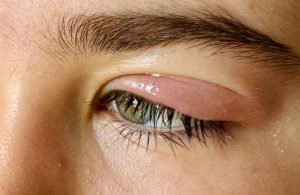
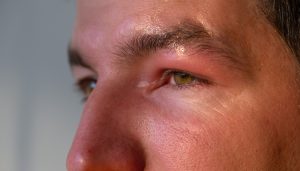
- Irritation in eyes
- Thickened skin
- Blood vessels visible through your skin
- Warm/flushed feeling
10 Common Rosacea Triggers
Here is the list of the most common rosacea triggers:
- Sun exposure
- Extreme hot/cold weather
- Hormonal fluctuations
- Foods
- Beverages
- Skincare products
- Emotional changes
- Alcohol consumption
- Intense exercise
- Certain medications
Let’s explore all these rosacea triggers in detail.
1. Sun Exposure

When exposed to the sun, skin heats up and releases substances that make it swell. Additionally, the sun’s UV rays widen blood vessels and harm the skin’s barriers, making it more likely to get irritated. These rays also cause the production of reactive oxygen species (ROS), which can lead to oxidative stress and inflammation.
2. Extreme Hot/Cold Weather
Both hot and cold weather can trigger rosacea symptoms. Sudden temperature changes can cause blood vessels to expand and contract rapidly, leading to flushing and redness. Hot weather can cause sweating, which may irritate the skin. On the other hand, cold weather can dry out the skin, leading to further irritation and redness.
3. Hormonal Fluctuations
Hormonal changes can be the reason for rosacea flare, especially in women. Changes in hormone levels can affect blood vessels and skin swelling. Menopause, menstruation, and pregnancy are common times when hormonal changes can trigger rosacea symptoms.
4. Foods
Eating spicy foods can cause immediate redness and discomfort. Spices contain capsaicin, stimulating nerve endings and increasing blood flow to the skin. Capsaicin activates receptors on sensory nerves, releasing substances that cause blood vessels to widen and the skin to become red. Other foods that may trigger rosacea include:

Ready to achieve your aesthetic goals?
- Over a Decade of Surgical & Aesthetic Expertise
- Personalised treatment plans tailored to your needs
- Soy sauce
- Chocolate
- Sour cream
- Cheese
- Citrus fruit
5. Beverages
Drinking hot coffee or tea can cause flare-ups. The heat from the beverages can increase skin temperature and blood flow. Caffeine in hot drinks can also stimulate the release of adrenaline, which may exacerbate redness and flushing.
6. Certain Skincare Products
Harsh or irritating skincare products can lead to rosacea flare-. Ingredients like alcohol, menthol, and fragrances can irritate sensitive skin and cause redness.
7. Emotional Changes
Stress and anxiety can cause skin flare-ups. Stress releases hormones that increase skin blood flow and lead to inflammation. Long-term stress weakens the immune system, making the skin more sensitive to environmental triggers.
8. Alcohol Consumption
Alcohol consumption, especially red wine, can trigger rosacea symptoms. Alcohol dilates blood vessels and can lead to increased redness and flushing. Red wine contains histamines and tannins, which can also contribute to flushing and irritation.
9. Intense Exercise
Vigorous physical activity can lead to rosacea flare-ups. Exercise increases body temperature and blood flow, causing the skin to flush. Intense exercise can also lead to sweating, further irritating the skin.
10. Certain Medications
Some medications, such as blood pressure drugs and topical steroids, can worsen rosacea. These medications can cause blood vessel dilation and increased skin sensitivity. Medications such as vasodilators, corticosteroids, and some antidepressants can contribute to rosacea symptoms.
14 Tips to Prevent Rosacea Flare-Ups
Follow the following tips to prevent triggering your rosacea and stay away from its flare-ups:
1. Sunscreen Is A Must
Always wear broad-spectrum sunscreen with an SPF of 30 or higher, even on cloudy days. Look for sunscreens that contain physical blockers like zinc oxide or titanium dioxide, as they are less likely to irritate sensitive skin.
2. Adjust Your Dietary Habits
Avoid triggering foods and beverages, such as spicy foods, alcohol, and hot drinks. Preventing these triggers can reduce the frequency and severity of flare-ups. Keeping a food diary can help identify specific dietary triggers. Consider consulting a nutritionist for personalised advice.
3. Follow A Soothing Skincare Routine
Use gentle, fragrance-free skincare products designed for sensitive skin. Reducing skin irritation can help manage rosacea symptoms. Opt for products with soothing ingredients like aloe vera, chamomile, and niacinamide. Avoid harsh exfoliants and retinoids unless recommended by a dermatologist.
4. Take Care Of Temperature That You Are In
Avoid extreme temperatures and sudden temperature changes. Use a humidifier in dry conditions and a fan or air conditioner in hot weather. Maintaining a stable skin temperature can prevent blood vessel dilation and redness. Dress in layers to quickly adjust to temperature changes and
5. Exercise, But Take Care

Engage in moderate-intensity exercise and take breaks to cool down if needed. Controlling body temperature during exercise can help prevent flare-ups. Consider indoor exercises like yoga or swimming that are less likely to overheat your body.
6. Keep In Touch With Your Skin Doctor
Consult a dermatologist for personalised treatment plans and advice. Professional guidance can help manage rosacea more effectively with tailored treatments and medications. Regular check-ups can help monitor the condition and adjust treatments as necessary. Moreover, getting a hydrafacial from an expert may also help improve your skin health and get rid of rosacea.
7. Opt For Medicines & Supplements
Discuss with your doctor the use of oral or topical medications, and consider anti-inflammatory supplements like omega-3 fatty acids. Medications and supplements can help reduce inflammation and manage symptoms. Antibiotics, azelaic acid, and ivermectin are common treatments for rosacea. Omega-3 supplements can help reduce inflammation.
8. Make Mindful Clothing Choices
Wear breathable, lightweight clothing, and avoid tight collars and scarves. Comfortable clothing can prevent overheating and reduce skin irritation. Natural fabrics like cotton and linen are preferable. Avoid wool and synthetic materials that can irritate the skin.
Ready to achieve your aesthetic goals?
- Over a Decade of Surgical & Aesthetic Expertise
- Personalised treatment plans tailored to your needs
9. Drink Plenty Of Water
Stay hydrated by drinking plenty of water throughout the day. Proper hydration can help maintain skin health and reduce redness. Adequate hydration supports overall skin barrier function and can help reduce the likelihood of flare-ups.
10. Stay Away From Skin Irritants
Be mindful of potential environmental skin irritants, such as pollution, smoke, and certain household products. Reducing exposure to irritants can help prevent flare-ups. Use air purifiers at home, avoid smoking, and choose hypoallergenic cleaning products.
11. Prefer Gentle Cleansing
Cleanse your face with lukewarm water and a mild, non-abrasive cleanser. Gentle cleansing helps maintain the skin’s barrier without irritating it. Pat your skin dry with a soft towel instead of rubbing it.
12. Consider Using Probiotics
Consider incorporating probiotics into your diet or skincare routine. Probiotics can help balance the skin’s microbiome and reduce inflammation. Look for skincare products with lactobacillus or bifidobacterium, or consume probiotic-rich foods like yoghurt and kefir.
13. Say No To Hot Showers
Take lukewarm showers instead of hot ones. Hot water can strip the skin of natural oils and exacerbate redness. Limit your shower time to avoid prolonged exposure to water.
14. Manage Your Stress
Practice stress-reducing techniques such as yoga, meditation, and deep breathing exercises. Alongwith diagnosis and rosacea treatment, stress management can be a game-changer in controlling flare-ups. Regular exercise, adequate sleep, and mindfulness practices can help manage stress effectively.
Identify Your Rosacea Triggers To Prevent Flare-Ups.
Managing rosacea can be challenging, but you can reduce flare-ups by understanding and avoiding common triggers. You can also keep your skin healthier and clearer by taking daily preventive measures. If you struggle to manage your rosacea spots, ask an expert practitioner for rosacea treatment with Lumecca. Staying informed about your condition is important because managing rosacea is ongoing. By using these strategies and making conscious lifestyle changes, you can take control of your rosacea and minimise its impact on your daily life.
FAQs
1. Why did I suddenly get rosacea?
Genes, a robust immune system, or daily activities might cause rosacea. It’s not because you’re dirty and can’t get it from others. Things like the sun or wind can make it worse.
2. At what age does rosacea start?
Rosacea usually starts between 30 and 50 years old. The first sign is often frequent blushing or flushing.
3. When is rosacea worse during the year?
Rosacea is often worse in the summer because the sun and heat are common triggers.
4. How long does a rosacea flare-up last?
Rosacea flare-ups may last from several weeks to months, and the relapse period varies from person to person.