Does Microneedling Hurt? Pain Level & Comfort Tips
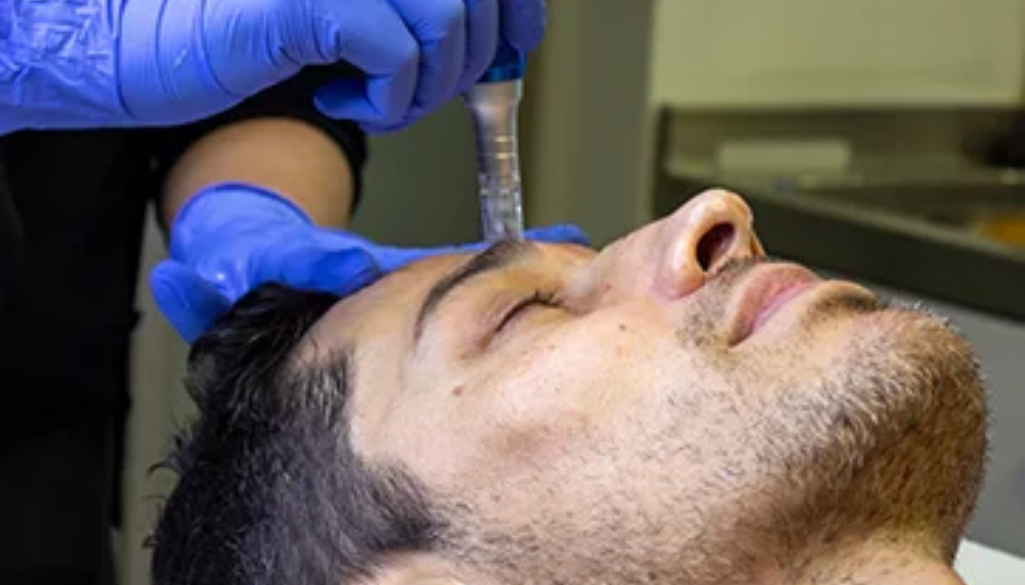
Microneedling may feel a bit uncomfortable, but it is not usually painful. With numbing cream and proper technique, most people report that it feels like light prickles or a gentle vibration. With the right aftercare, you can manage the post-treatment discomfort.
This blog explains what the treatment feels like, how clinics keep it comfortable, and what you can expect during your session.
What Does Microneedling Do?
Microneedling is a gentle skin treatment that helps your skin repair and refresh itself.
Tiny needles make very small, controlled punctures in the top layer of your skin. This tells your body to make more collagen and elastin, the building blocks that keep skin smooth, firm, and young-looking.
It can help with:
- Fine lines and wrinkles.
- Acne scars and pitted skin.
- Uneven skin tone and dark spots.
- Large pores.
- Stretch marks.
Microneedling also helps your skin absorb creams and serums better, making your skincare more effective.
How Do Microneedles Work?
Microneedles are very small, fine needles that create tiny channels in the skin.
Here’s what happens:
- The needles penetrate just the top layer of the skin.
- Your body treats these tiny “micro-injuries” as signals to start healing.
- Collagen and elastin are produced to repair the skin, making it firmer and smoother.
- Blood flow and oxygen increase in the area, helping the skin look healthier.
- Skincare products applied after the treatment can absorb better.
Needle length can vary, usually from 0.25mm to 2.5mm, depending on the area and skin concern.
Learn all about microneedling healing stages so that you understand how to take care during each phase.
What Does Microneedling Feel Like?
Most people describe the feeling during treatment as:

Ready to achieve your aesthetic goals?
- CQC-Registered Clinic with Nationally Recognised Leadership
- Over a Decade of Surgical & Aesthetic Expertise
- Personalised treatment plans tailored to your needs
- Mild prickling or tingling across the skin.
- Vibrating toothbrush or sandpaper-like sensation.
- Slight warmth or itchiness, which is temporary.
The sensation can change depending on the area treated and your personal sensitivity. Some areas, like under the eyes or on the forehead, feel a bit stronger than the cheeks or arms.
Does Microneedling Hurt?
Microneedling is more about discomfort than pain. Most people find it manageable, especially with proper care.
How it feels can depend on several factors:
Thinner or more sensitive skin may feel pricklier or warmer. People who have tougher skin may feel less sensitive to microneedling.
Shallow treatments feel lighter, while deeper needles for scars or wrinkles can sting more. Applying a numbing cream can reduce discomfort or tingling.
Areas with less padding, like the forehead or jawline, are more sensitive. Cheeks, arms, or thighs usually feel gentler.
Experienced clinicians control pressure, speed, and needle depth for comfort. Poor technique can increase discomfort.
- Individual Pain Threshold
Everyone’s pain threshold is different. Some may be ticklish or nervous, which can make the procedure feel stronger.
Well-hydrated, healthy skin tends to feel less uncomfortable. Avoiding strong skincare products beforehand also helps.
Modern oscillating devices or dermapens are faster and smoother. Older or manual rollers may feel more prickly.
Microneedling Pain by Area
Microneedling can feel different across the body because some areas have thinner skin and more nerve endings than others.
Most people feel only light prickles on the face. Areas with thin skin, such as the forehead, nose, and under-eye area, may feel a bit sharper, but numbing cream makes them easy to handle.
These spots are more sensitive because the skin is thinner. The feeling is often warm or slightly tingling, but still mild with numbing.
Your scalp is rich in nerve endings, making it feel more intense. With numbing, most people describe it as sharp prickles rather than real pain.
- Body (Stomach, Thighs, Arms)
Body areas like the stomach, thighs, and arms hurt the least. Their skin is thicker, so the feeling is more like quick taps or a light scratch.
How Clinics Minimise Discomfort During Microneedling Sessions?
Professional clinics use several methods to make microneedling comfortable. Some of these methods may include:
Ready to achieve your aesthetic goals?
- CQC-Registered Clinic with Nationally Recognised Leadership
- Over a Decade of Surgical & Aesthetic Expertise
- Personalised treatment plans tailored to your needs
- Numbing cream: Applied 20 to 30 minutes before the treatment to reduce sensation.
- Skilled technique: Practitioners adjust pressure and movement to match your comfort.
- Device control: Modern tools allow speed and depth adjustments for gentler treatment.
- Preparation tips: Hydrating your skin and avoiding strong skincare products (like retinols) beforehand helps reduce irritation.
These steps make the session easier and ensure a pleasant experience.
Is Microneedling Worth It Despite the Discomfort?
Yes, it is worth it for most people. The small, short discomfort you feel during and after the treatment is very mild compared to the results. Microneedling helps your skin look smoother, brighter, and firmer over time. It can soften fine lines, fade old scars, and make your skin feel healthier.
Most patients say the benefits last far longer than the discomfort, which usually settles within a day or two. When done by a trained expert, the treatment is safe, controlled, and made as comfortable as possible.
Conclusion
So, does microneedling hurt? For most people, no, it feels more uncomfortable than painful.
With numbing cream and expert care, the treatment is usually easy to handle and very quick.
Any redness, warmth, or tightness after treatment is normal and fades quickly.
What you gain in return is smoother skin, better texture, and a healthy glow that improves over the weeks. If done by a trained professional, i.e., microneedling treatment by a Yorkshire Skin Centre expert, it is safe, gentle, and well worth the small, temporary discomfort for the long-term results.
FAQs
1. What does your face look like 2 days after microneedling?
Your skin may look red and feel tight, like it does with a mild sunburn. Slight swelling is normal. This usually calms down by day two.
2. Is microneedling really worth it?
Yes, for many people it is worth it. It improves skin texture, reduces scars and fine lines, and enhances glow. Results build slowly over a few weeks.
3. Does microneedling work for acne scars?
Yes, microneedling helps with sunken acne scars. It boosts collagen, which helps fill and smooth the skin over time. Multiple sessions are needed.
4. Does microneedling hurt without numbing?
It can feel sharp without numbing cream. Most clinics use numbing to make the treatment comfortable and easy to tolerate.