Blog /
Eye Care /
Eye Ageing Signs: How to Spot Them and What You Can Do
Eye Ageing Signs: How to Spot Them and What You Can Do
If you’ve ever looked in the mirror and wondered why your eyes don’t look as fresh as they used to, you’re not alone. The delicate area around our eyes is often the first part of the face to show ageing. Whether it’s fine lines at the corners, dark circles that don’t fade, or simply a tired look that won’t budge, understanding eye ageing signs helps you respond in a calm, informed way, not with panic.
In this blog, we’ll discuss the most common signs of ageing eyes, why they occur, and practical ways to care for them.
Why the Area Around Your Eyes Changes First
The skin of the eyes is thinner and more delicate compared to the skin on the face. It moves all the time, a smile! A blink! And it takes daily exposure to sunlight and the stress of free radicals (that’s your urban air) out there. This small area of skin loses resiliency and texture more quickly than other areas.
And it’s not just the skin. The inside of your eyes is also changing. Tear flow tends to diminish, while the lens stiffens, and supportive tissues around the eye may slacken. All of these play a role in changes to how you look and how your eyes feel or function.
Top 11 Signs That Eyes Are Ageing
Below are the most frequent signs of ageing around the eye as identified by people:
1. Fine Lines and Wrinkles Around the Eyes
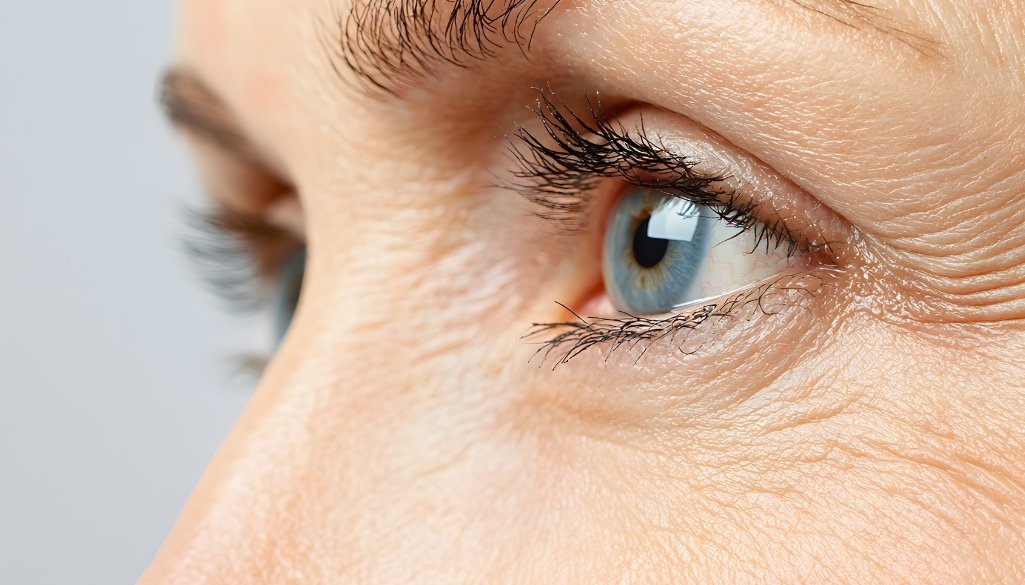
Those are the little lines that show up when you smile or squint and, eventually, persist even in a relaxed face. Such wrinkles, sometimes referred to as crow’s feet, develop as the skin loses collagen and elastin over time. This is exaggerated with repeated facial expressions and sun exposure.
2. Dark Circles That Don’t Fade
Dark circles under the eyes aren’t just a sign of tiredness. Because skin gets thinner as we age, veins become more noticeable, and the darkness becomes permanent rather than temporary. Genetics and lifestyle factors are also involved in the equation.
3. Puffiness and Under-Eye Bags
Water retention, tissue laxity and fat transfer can cause puffiness or bags under the eyes. These tend to become more prominent as we age, lending a heavier or older appearance to the eyes. nulook.
4. Sagging or Drooping Eyelids
The upper lids will sag, and the lower lids can fall if the skin sags enough. Sometimes, it can even mess with your peripheral eyesight.
5. Dryness and Irritation
Tear volume usually diminishes with ageing eyes. This can make the eyes a bit grainy or scratchy, and temporary redness or irritation is sometimes possible.
6. Loss of Elasticity and Crepey Skin
The skin of the eyelids can begin to appear crinkly and papery-like. This occurs when supportive fibres in the skin decline and elasticity wanes. nulook.
7. Volume Loss Under Eyes
Some of the fat pads under your eyes shrink or slide down as you get older. This may result in a hollow or shadowed appearance, where dark circles become more prominent.
8. Vision or Eye Dysfunction
Cosmetic factors are not the only cause of eye ageing. Conditions such as presbyopia, an inability to focus on close objects, are nearly universal after age 40. Cataracts and glaucoma are other age-related problems.
9. Visible Veins or Fragile Skin
Veins that are usually concealed can be exposed by thin skin under the eyes. This also causes a bluish or purplish colour under the eyes.
10. Uneven Skin Tone or Pigmentation
Sun exposure and slower cell turnover cause uneven colour and dark patches around the eyes, making them appear old and tired.

Ready to achieve your aesthetic goals?
- CQC-Registered Clinic with Nationally Recognised Leadership
- Over a Decade of Surgical & Aesthetic Expertise
- Personalised treatment plans tailored to your needs
11. Loss of Peripheral Vision or Eye Health Issues
Much more subtle, but no less notable to some people, are diminished peripheral vision and difficulty seeing fine detail as eyes age. If you have regular eye exams, problems are more likely to be caught.
Common Confusions: What Is Eye Ageing vs Vision Ageing?
When we talk about eye ageing versus eye ageing, there are two main layers:
Look and texture changes like wrinkles, dark circles, and puffiness.
Functional changes like presbyopia or reduced tear production.
Both happen naturally, but they’re separate processes. In your eyes, you may look older even if your vision continues to serve you well, and vice versa.
Why These Changes Happen
Understanding why ageing changes show up helps you take sensible steps to care for your eyes:
01. Less Collagen and Elastin
As you age, the skin’s natural support structure weakens, making it thinner and less firm.
02. Sun Exposure
UV rays break down structural proteins in the skin, and the skin under your eyes is very thin.
03. Decrease in Tear Production
This can make the eyes feel dry or irritated and contribute to discomfort or fatigue.
04. Lifestyle and Sleep Patterns
Chronic tiredness, stress, dehydration, and poor diet can make the signs of ageing eyes more visible.
05. Internal Eye Structures Change
The eye’s lens becomes less flexible over time, leading to conditions such as presbyopia, a common part of ageing.
Simple Daily Habits to Support Healthier Eyes
You don’t need expensive treatments to make a real difference. Many habits help delay visible eye ageing signs:
01. Wear Sunglasses and SPF Daily
UV rays accelerate ageing around the eyes. Daily UV protection helps slow down the formation of lines and pigmentation changes.
02. Hydration and Diet
Drink enough water and eat antioxidant-rich foods like berries, leafy greens and nuts, which support skin and eye health.
03. Get Quality Sleep
Adequate sleep reduces under-eye puffiness and gives your eyes time to recover and repair overnight.
04. Take Breaks From Screens
Long hours at a screen can worsen eye strain and contribute to tired-looking eyes. Regular breaks keep eyes feeling fresher.
05. Gentle Eye Care Routine
Use a mild cleanser and apply eye cream gently with your ring finger to avoid pulling at the skin.
5 Effective Treatments for Eye Ageing Signs
1. Medical-Grade Eye Creams & Serums
The products in this category are intended for the delicate eye area and assist in enhancing hydration, skin quality, and firmness. They have active components such as retinol, peptides, and hyaluronic acid, which gradually eliminate fine lines and dryness. Their usage is recommended to be done daily for the best results, especially with the early signs of eye ageing.
2. Injectable Treatments (Botox & Skin Boosters)
Using Botox provides the effect of the elimination of the muscle activity responsible for the crow’s feet and expression lines, thus the whole area around the eyes appears smoother, but still natural. Whereas skin boosters provide moisture to the under-eye skin from the inside, thus treating the signs of ageing linked to crepiness and dullness of the eye area. The effects are seen very soon, and they last for several months.
3. Laser Eye Rejuvenation Treatments
Lasers are used to heal ageing signs by stimulating collagen beneath the skin. Thus, they can be helpful in the areas of eye fine lines, pigmentation, and uneven texture. Depending on the laser treatment type, the recovery time could be anything between almost none and a couple of days, with the skin getting better gradually over the course of weeks.
4. Radiofrequency or Ultrasound Skin Tightening
These procedures emit heat in a very specific manner to lift sagging skin and increase collagen production around the eyes. They are quite effective for tightening eyelids as well as under-eye areas that have mild to moderate sagging. The gradual development of the results makes them suitable for those who want a non-surgical, natural improvement in their looks.
Ready to achieve your aesthetic goals?
- CQC-Registered Clinic with Nationally Recognised Leadership
- Over a Decade of Surgical & Aesthetic Expertise
- Personalised treatment plans tailored to your needs
5. Surgical Eyelid Treatment (Blepharoplasty)
During Blepharoplasty, the patient has the excess skin and fatty tissues of the upper or lower eyelids removed to correct the advanced signs of ageing eyes. It is recommended for the patient with heavy eyelids, deep eye bags, or sagging that has an effect on vision. Although the time taken for recovery is long, the outcome is permanent, and it will markedly rejuvenate the appearance of ageing eyes.
When to See a Professional
If any changes in your vision or eye comfort seem significant, like blurred vision, sudden dryness, sensitivity to light, or problems focusing, it’s wise to consult an eye care professional. Regular eye exams help catch issues such as glaucoma or cataracts early, before they affect daily life.
Conclusion
Your eyes are more than just tools for sight. They show emotion and expression, and often reflect your overall well-being. Spotting eye ageing signs early gives you a chance to treat them thoughtfully, whether with lifestyle habits, simple skincare, or medical advice when needed.
As you care for your eyes, both how they look and how they function, remember that ageing is part of life. The goal isn’t to pretend it hasn’t happened, but to support your eyes with knowledge, compassion, and practical steps that feel right for you.
FAQs
01. What are the earliest eye ageing signs?
The earliest eye ageing signs usually include fine lines, mild dark circles, slight puffiness, and dryness around the eyes.
02. At what age do signs of ageing eyes usually start?
Most people begin noticing signs of ageing eyes in their late 20s to early 30s, depending on genetics and lifestyle habits.
03. Can eye ageing signs be reduced without surgery?
Yes, many eye ageing signs can be improved with skincare, injectables, laser treatments, and skin-tightening procedures.
04. Does screen time make eyes age faster?
Excessive screen use can worsen dryness, strain, and tired appearance, which may make the ageing of the eyes more noticeable over time.
05. Are eye ageing changes permanent?
While eye ageing is natural, early treatment and good eye care habits can slow progression and improve how ageing eyes look.