How Long Does a Swollen Eyelid Last?
A swollen eyelid can appear suddenly and make your eye feel heavy, uncomfortable, or sore. While it often looks alarming, most cases are harmless and temporary. A common question many people ask is how long a swollen eyelid lasts, especially when the swelling doesn’t go down straight away.
The answer depends on the cause, which can range from simple irritation to blocked glands or infection. Understanding what’s behind the swelling can help you know what to expect and when it’s time to have your eye checked by a professional.
What Exactly is a Swollen Eyelid?
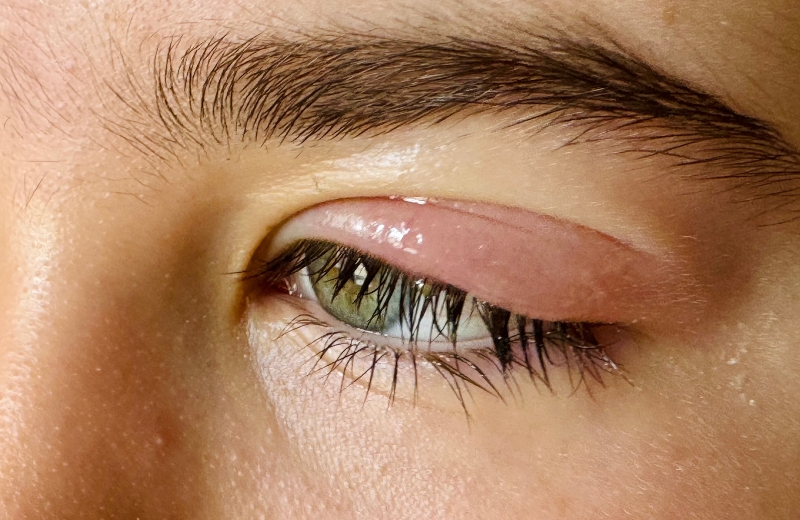
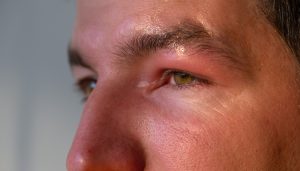
A swollen eyelid develops due to fluid buildup in the thin layers of tissue surrounding the eye. Eye shape is ideal for puffiness, since the skin of the eyelids is thin and delicate; it doesn’t take much irritation to make them red and swollen. Bags may appear on the upper eyelid, lower eyelid, or both, and can range from mild morning puffy lids to pronounced swelling accompanied by redness and/or tenderness.
Eyelid swelling is often harmless and temporary. But if the swelling isn’t going away or is getting worse, or if it’s associated with pain or vision changes, it could be a symptom of an underlying problem and should be checked out.
How Long Does a Swollen Eyelid Last in General?
Put simply, a swollen eyelid can last for hours to weeks, depending on what caused it.
Feelings of slight agitation or fatigue can be addressed within minutes after the provoking stimulus is removed. Allergies tend to settle down within a couple of days. Infections or clogged glands are more likely to last longer, potentially up to a few weeks of treatment. This is why it is more helpful to direct focus on the pattern of swelling rather than simply time.
Common Causes of a Swollen Eyelid and How Long Each Lasts
01. Mild Irritation or Fatigue (hours to 1–2 days)
This is among the most common and least severe causes of swollen eyelids. It’s a common occurrence after you rub your eyes, cry, haven’t gotten enough sleep, or have stared at a screen for too long, or in windy, smoky, and dusty environments.
The mass is generally soft, nontender, and resolves fairly rapidly. Once the inflammation calms down and your eyes rest, the puffiness will typically ease within several hours and go away in one to two days. When both eyes are involved, and there is no pain, irritation is usually the issue.
02. Allergies (1-3 days, sometimes a week)
Eyelid swelling may be sudden due to allergies, especially those related to hay fever season or from just having contact with allergens such as dust mites, pollen, pet dander, or certain types of cosmetics. There is frequently itching, watering,g or redness in those affected,d and the itching butts may resemble one or both eyes.
Most allergen-induced swelling resolves within a few days when the offending allergen is removed. However, if you’re still being exposed, the swelling can last for a week. The primary difference between allergies and other causes is the prevailing itch, not pain.
03. A Stye (usually 7–14 days)
A stye is a small, infected swelling in the eyelid’s oil gland. It typically begins as a sore, tender spot that becomes red and swollen, like a pimple. They can also make the eyelid around it swell and hurt. Most styes will go away on their own within about a week to two weeks. Swelling will generally subside on its own once the infection has resolved. If a stye does not get better, appears much worse, or changes shape and affects vision, professional care may be needed.

Ready to achieve your aesthetic goals?
- Over a Decade of Surgical & Aesthetic Expertise
- Personalised treatment plans tailored to your needs
04. A Chalazion (a few weeks to a month or more)
A chalazion is related to a blocked oil gland, not an infection. It usually starts with the eye swelling in a small, localised area and can become a hard lump on the eyelid. A chalazion is generally not painful, but the eyelid may feel sore or appear swollen and lopsided.
Chalazia typically take longer to resolve. Many go away within a few weeks, but some may last a month or longer. An untreated chalazion can remain the same size or slowly increase in size if the oil gland remains blocked.
05. Blepharitis (weeks, with possible flare-ups)
Blepharitis is a chronic condition characterised by irritated and inflamed eyelid margins. It often makes the lids swell, fester with redness and a crust around the lashes, and leave a gritty or burning feeling in the eyes. The swelling ebbs and flows rather than vanishes entirely.
Blepharitis generally improves with regular eyelid hygiene and care over a few weeks. But blepharitis can be chronic as well, which may mean swelling recurs if treatment is stopped too early or triggers are not managed.
06. Conjunctivitis (5–14 days)
Conjunctivitis, sometimes referred to as “pink eye,” can cause eyelid swelling along with redness, discharge, and eye irritation. The swelling tends to be mild to moderate but can appear worse in the morning.
The length can vary by variety. Viral conjunctivitis can take up to two weeks to clear up, and bacterial conjunctivitis should begin to improve within several days of treatment. Allergic conjunctivitis behaves like an allergic reaction and often resolves once exposure is eliminated.
07. Trauma, Injury, or Insect Bite (days to weeks)
If your eyelid swelling results from a bump, flea, or bug bite, the swelling is a normal part of the body’s healing process. There will be bruising and puffiness in the first few days.
In most cases, the swelling subsides well within a week and gradually decreases over the next few days. Ongoing swelling, escalating pain, or vision changes post-injury should always be evaluated by a professional.
Treatments for a Swollen Eyelid
Treatment for a swollen eyelid depends on the cause and how long the swelling has been present. Below are five commonly recommended treatment approaches, each explained clearly in a few lines.
01. Warm or Cool Compresses
Compresses are often the first step in managing eyelid swelling. Warm compresses help unblock oil glands and improve circulation, making them useful for styes, chalazia, and blepharitis. Cool compresses are more suitable for allergies or irritation because they help reduce inflammation and puffiness.
02. Eyelid Hygiene and Gentle Cleansing
Keeping the eyelids clean helps reduce bacteria, oils, and debris that can worsen swelling. Gentle lid cleansing supports healing in conditions like blepharitis and recurrent swelling. Avoiding eye makeup and contact lenses during this time also allows the skin to recover properly.
03. Prescription Eye Drops or Ointments
When swelling is caused by infection or significant inflammation, medicated eye drops or ointments may be prescribed. These treatments help control bacteria, reduce redness, and speed up recovery. A professional assessment is important to ensure the correct medication is used.
04. Allergy Management
If allergies are the cause, treatment focuses on reducing the body’s reaction to allergens. This may include allergy eye drops or tablets, along with avoiding known triggers. Properly managing allergies can prevent swelling from recurring.
05. In-clinic Procedures for Persistent Swelling
For swelling that does not settle, such as a long-lasting chalazion, in-clinic treatment may be recommended. This can include steroid injections or minor procedures to drain the blocked gland. These options are usually considered when conservative care has not worked.
Signs That Your Swollen Eyelid May Be More Serious
While most cases are mild, certain symptoms suggest that your eyelid swelling should be assessed urgently. These include rapid swelling, significant pain, fever, pus-like discharge, difficulty opening the eye, or vision changes.
If the eye appears pushed forward, or if swelling spreads to the cheek or forehead, it may indicate a deeper infection that requires prompt treatment.
Ready to achieve your aesthetic goals?
- Over a Decade of Surgical & Aesthetic Expertise
- Personalised treatment plans tailored to your needs
What You Can Safely Do While Waiting for Swelling to Settle
In many mild cases, simple measures can support natural healing. Avoid rubbing the eyes, as this can worsen inflammation and introduce bacteria. Keep the eye area clean, and remove eye makeup until the swelling has fully resolved.
Using warm compresses can help with blocked glands and styes, while cool compresses may feel more soothing for allergy-related swelling. If symptoms persist beyond the expected timeframe, it’s important not to ignore them.
When to See an Eye Specialist
If you’re still asking how long a swollen eyelid lasts because the swelling isn’t improving, that’s a sign it’s time for a professional assessment. Swelling that lasts longer than one to two weeks, keeps returning, or is associated with pain or vision changes should always be checked.
An eye specialist can identify the exact cause and recommend targeted treatment, helping to prevent complications and speed up recovery.
Conclusion
A swollen eyelid can last anywhere from a few hours to several weeks, depending on the cause. Mild irritation or allergies often resolve quickly, while conditions such as styes, chalazia, or blepharitis may take longer to improve. Paying attention to how the swelling looks, feels, and changes over time can help you understand what’s going on.
If the swelling does not improve, keeps returning, or is linked with pain or vision changes, it’s important to seek professional advice. Early assessment can reassure you, rule out serious causes, and ensure your eyes receive the right care at the right time.
Frequently asked questions
01. How long does a swollen eyelid last if it’s caused by tiredness?
Swelling caused by tiredness or poor sleep usually improves within a day, especially after rest and hydration.
02. Can a swollen eyelid last for weeks?
Yes, conditions such as chalazion or blepharitis can cause swelling that lasts several weeks if left untreated.
03. Is it normal for a swollen eyelid to be worse in the morning?
Yes, fluid can collect around the eyes overnight, making swelling appear worse when you wake up.
04. Should I worry if only one eyelid is swollen?
Not always. One-sided swelling is common with styes, chalazia, or minor irritation, but persistent swelling should be checked.
05. Can eye swelling affect vision?
Mild swelling usually doesn’t, but significant swelling or pressure on the eye can blur vision and needs medical review.