Lumps inside lips after filler usually resolve independently within a week or two. But, if they stay for long, it may not be a good sign.
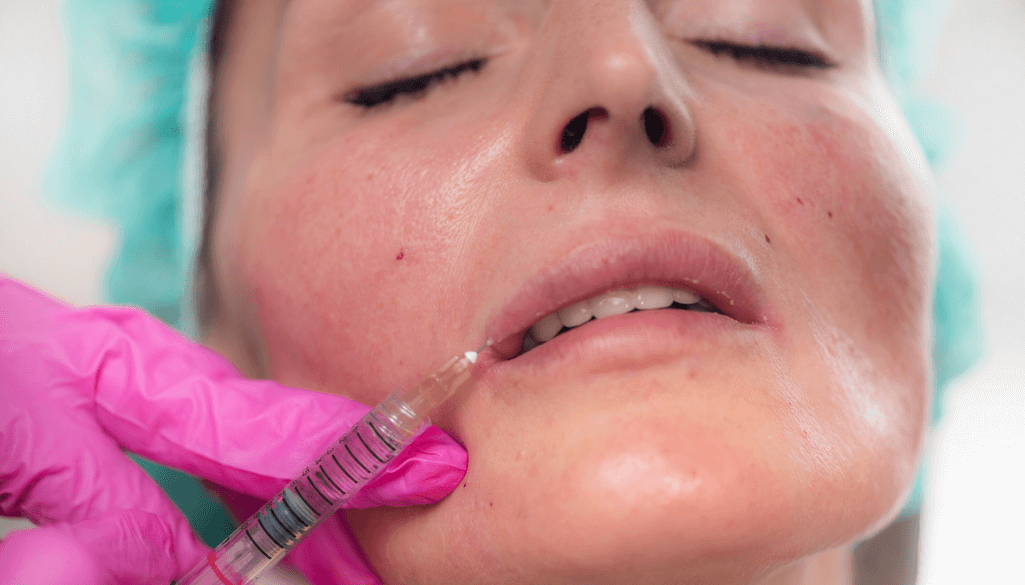
A lip job with fillers is the most popular and quickest way to get plumper lips. The effects are immediate and stay for 6-12 months; however, sometimes, things do not go as planned, such as lip filler lumps staying for a long.
Most lumps are short-lived and easily treatable. Learn why lumps occur, how to remove them, and when you should worry about them.
Why Do Lumps Occur after Lip Filler?
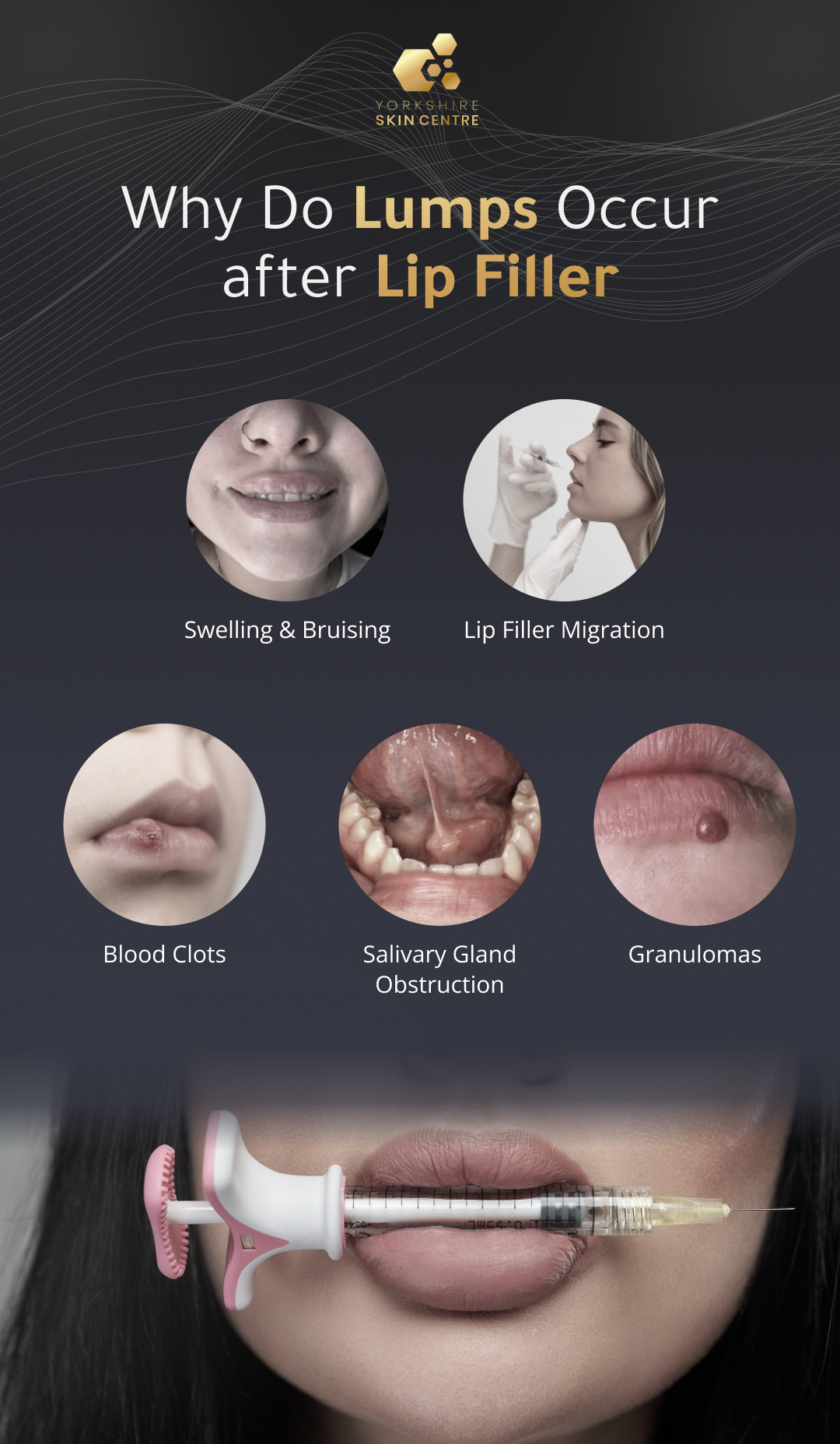
Lumps inside the lips after a filler injection can occur for various reasons. Some are harmless and should resolve by themselves, while others may need to be treated by a professional. The following are the most common reasons:
Swelling & Bruising
Mild bruising and swelling are to be expected following a filler treatment. The lips are tender, and the needle is causing slight trauma, resulting in temporary lumps. These should resolve within a week.
Lip Filler Migration
Lumps and bumps are also signs of lip filler migration. When the filler is not placed uniformly or injected too superficially, it can produce lopsided bumps. A trained practitioner can smooth these out.
Blood Clots
A hematoma forms when a tiny blood vessel is injured during an injection. It leads to swelling and a lumpy appearance and feel. These usually take a few weeks to clear.
Salivary Gland Obstruction
If filler is injected close to a salivary gland, it will form a cyst filled with fluid within the lip. These lumps can be soft and feel like they are moving inside the lips.
Granulomas
In rare cases, the body sees the filler as foreign and reacts by producing inflammatory bumps known as granulomas. Delayed-onset nodules (DONs) also occur due to bacterial contamination or an immune reaction.
How to Know if Lumpy Lips after Filler Are Normal or Not?
Knowing when you should be concerned about lumps after lip filler will help you avoid any mishaps. So, here’s how you can differentiate.
Temporary and safe lump signs are:

Ready to achieve your aesthetic goals?
- CQC-Registered Clinic with Nationally Recognised Leadership
- Over a Decade of Surgical & Aesthetic Expertise
- Personalised treatment plans tailored to your needs
- Soft, small, and not painful.
- Within the first few days of treatment.
- Go away on their own within two weeks.
Warning signs of lip filler lumps include:
- Painful, hard lumps.
- Redness, warmth, or swelling that worsens after a week.
- Lumps that grow in size with time.
- Bluish or white spots.
If you see any of these signs, it’s essential to contact your practitioner right away.
Will Filler Lumps After a Month Go Away?
Yes, most lumps after filler injections will go away on their own. Swelling and minor unevenness are common in the first 1–2 weeks as the filler settles.
However, if lumps don’t resolve even after two weeks, feel hard and painful, or continue to grow, In such cases, they could be due to filler migration, nodules, or granulomas. It shows that you need professional treatment.
If you’re concerned, consult your injector for assessment and possible correction.
A Step-by-Step Guide on Treating Lip Filler Lumps
If you still notice lip filler lumps after 2 weeks of the lip job, it’s best to contact your practitioner. They will assess the situation and decide on the best treatment to resolve the mishap.
Here’s how you can help small bumps at home.
Home Remedies for Small Bumps
Gentle Massage: Wondering, “Should I massage my lip filler lumps?” Yes, you can massage the bump lightly with clean fingers to smooth out the filler.
Cold Compress: Cold compresses with ice cubes in a cloth may minimise swelling and pain. Apply in 10-15 minute short sessions.
Hydration: Keep yourself hydrated with water to ensure the filler settles in and assists the body’s natural healing process.
Avoid Touching: Constantly pressing on your lips will aggravate swelling and irritation.
Medical Treatment for Persistent Lumps inside Lips after Filler
If over-the-counter remedies are not helping or the lumps continue, a healthcare professional can provide more sophisticated treatment, including:
Filler Dissolving Injection
If the lumps are formed due to overfilling or migration of the filler, your physician can inject hyaluronidase to break down the filler. The enzyme dissolves hyaluronic acid safely and rapidly.
Steroid Injections
Steroid injections can be employed to decrease swelling in inflammatory nodules such as granulomas.
Aspiration or Minor Surgery
If the lump is a mucocoele (a fluid-filled bump) or a stubborn lump that doesn’t go away, your doctor might need to drain or surgically remove it to avoid further issues.
With most medical treatments, you may see the results within days.
Ready to achieve your aesthetic goals?
- CQC-Registered Clinic with Nationally Recognised Leadership
- Over a Decade of Surgical & Aesthetic Expertise
- Personalised treatment plans tailored to your needs
How to Massage Lip Filler Lumps Correctly?
If your doctor has allowed you to massage your lip filler lumps, follow these tips for best results:
- Soak a towel in warm water, wring it out and then put on your lips for 1–2 minutes before massaging.
- Clean your hands well before handling your lips to avoid infection.
- Apply gentle, steady pressure to avoid damaging fragile tissues.
- Gently roll and knead the lumps with your fingertips. Push the filler into the surrounding tissue.
- Massage individual lumps for 5–10 minutes, 2–3 times a day, as your practitioner recommends.
Can you Avoid Lumps After Lip Fillers?
Yes, you can take preventive measures to avoid the formation of lumps inside lips after fillers. Here are some practical tips:
Always Consult an Expert Practitioner
An experienced practitioner knows how to inject filler evenly so that lumps do not form. They will assess your lips–shape and size—then inject accordingly to avoid complications post-treatment.
Take Proper Care After Filler
Refrain from over-touching, pressure, and exercise for 24-48 hours. Proper aftercare makes sure your lips heal perfectly and produce the desired outcomes.
Adhere to Credible Filler Brands
Low-cost, low-grade fillers are more likely to have complications. Consult your practitioner and ask about the quality of filler they use.
Avoid Excessive Filler in One Session
Gradually adding the volume minimises the likelihood of lump development. If it’s your first time getting the lip job, prefer less volume to avoid overfilling.
Final Thoughts
The majority of lip filler lumps are benign and temporary. They can be resolved with gentle massage, cold compresses, and the passage of time. If lumps last over two weeks or have warning signs, seek professional assistance. If you’re still in doubt, schedule a consultation for Lip filler Leeds, with a reputable aesthetic practitioner. A proper pre-treatment consultation will help you prevent any unhappy circumstances.
FAQs
1. How long do lip filler lumps last?
Most disappear within 1–2 weeks. Persistent lumps may require treatment.
2. Can I massage lip filler lumps myself?
Yes, but only if your injector advises it. Over-massaging can cause swelling or migration.
3. Will lumps go away on their own?
Small, soft lumps usually resolve naturally. If they last more than 4 weeks, see your practitioner.
4. When should I be worried about a lump?
If it’s painful, red, growing, or warm to touch—seek medical advice immediately.
5. How can I avoid lumps after lip fillers?
Choose a skilled injector, avoid overfilling, follow aftercare, and use quality filler products.