Disclaimer: This is educational content. It is not medical advice and should not replace guidance from your doctor or healthcare professional. Always speak to your healthcare provider before starting or changing any medication.
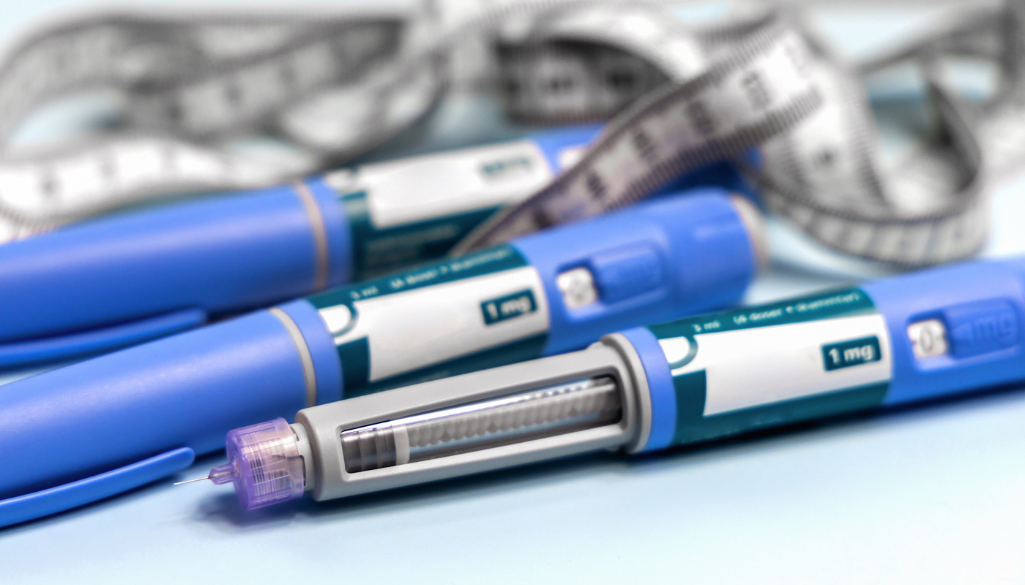
Ozempic is a medicine used to manage type 2 diabetes. It may cause side effects, just like medicines do. Some are mild, such as feeling sick, nausea, diarrhoea, or stomach discomfort, and often improve as your body gets used to it.
Other Ozempic side effects can be more serious and need medical attention.
In this guide, we explain the side effects you may notice, how to manage them, and when to see your doctor so you stay safe.
How Does Ozempic Work?
Ozempic contains a medicine called semaglutide. It works in several ways to help manage type 2 diabetes:
- Controls blood sugar: It helps your body release insulin when your blood sugar is high.
- Reduces appetite: It can make you feel fuller, so you may eat less.
- Slows digestion: Food moves more slowly through your stomach, which helps keep blood sugar steady after meals.
Because it works slowly in your body, Ozempic is injected once a week. This steady action helps your blood sugar stay more stable and can support gradual weight management.
Your doctor always prescribes the Ozempic dose for weight loss.
Common Side Effects of Ozempic (Mild & Manageable)
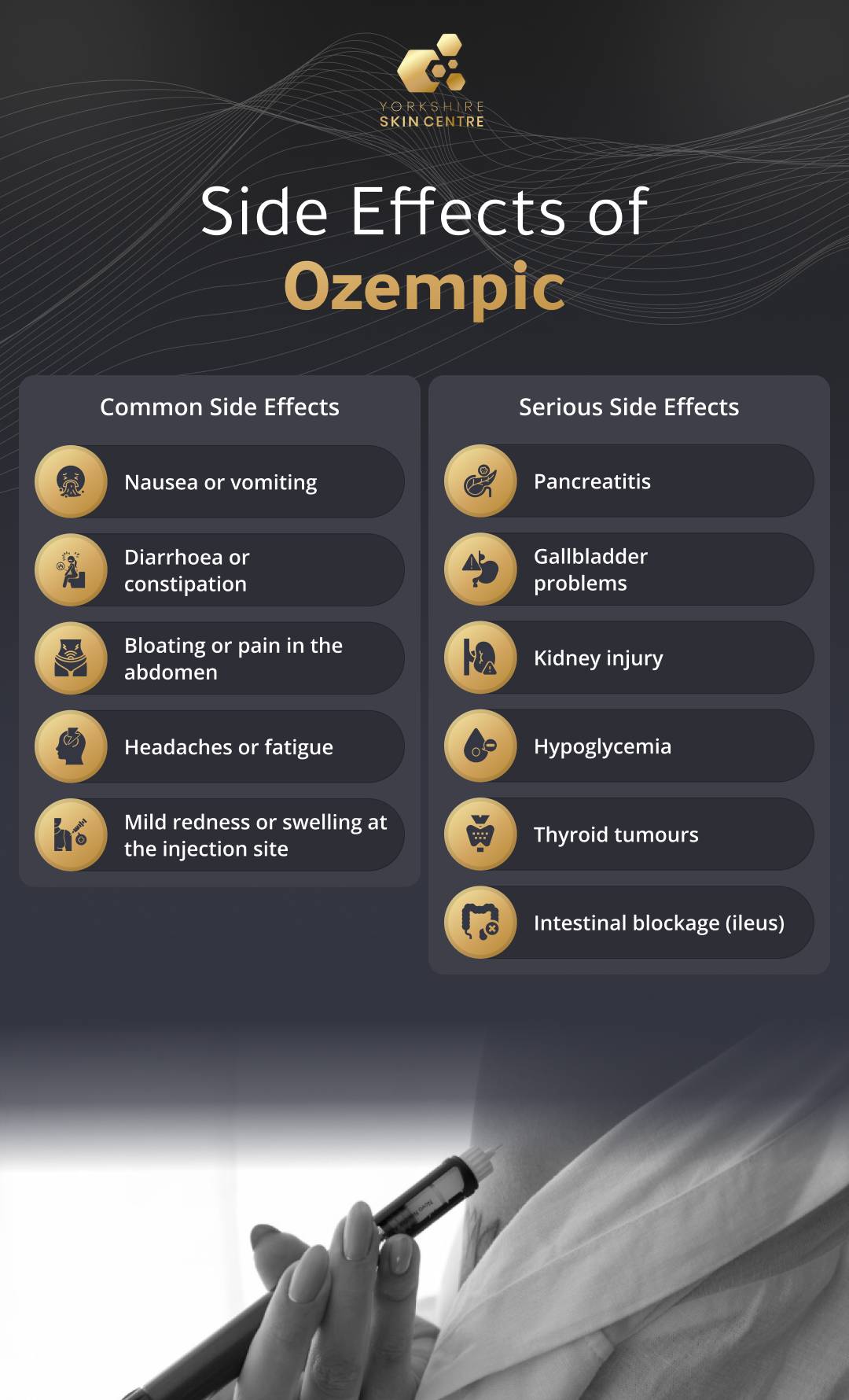
Many people taking Ozempic may notice mild side effects, especially when they first start or after increasing their dose. These are usually temporary and get better as your body adjusts.
Some common side effects include:
Nausea
Feeling sick is common, especially at the start. It usually improves as your body gets used to the medicine.
Vomiting
Some people may vomit when their body is adjusting to Ozempic. Drinking fluids and eating bland foods can help.
Diarrhoea
Your bowel movements may become loose. Eating small meals and staying hydrated often eases this.
Constipation
Some may find it hard to go to the toilet. Drinking more water and eating fibre can help keep things moving.
Stomach Pain or Bloating
Mild stomach discomfort or gas is possible. Gentle movement and small meals may ease the discomfort.
Heartburn or Difficulty in Digestion
You may feel burning in your chest or an upset stomach. Avoiding fatty or spicy foods can reduce this.
Loss of Appetite
You might feel less hungry than usual. This usually improves over time as your body adjusts.
Fatigue
Feeling more tired than normal can happen in the first weeks. Rest and proper hydration often help.
Injection Site Reactions
The spot where you inject may be red, swollen, or sore. Changing injection sites each week can prevent irritation.

Ready to achieve your aesthetic goals?
- Over a Decade of Surgical & Aesthetic Expertise
- Personalised treatment plans tailored to your needs
How to Manage Common Ozempic Side Effects at Home?
Most common side effects of Ozempic are mild and usually improve as your body adjusts. Here are some simple ways to manage them:
- Eat small, bland meals like rice, toast, or bananas.
- Stay hydrated by drinking water regularly.
- Avoid greasy or heavy foods that may upset your stomach.
- Move around gently after meals to help digestion.
These mild side effects usually improve after a few weeks. If they persist or get worse, speak with your doctor.
Serious Ozempic Side Effects (Require Immediate Attention)
While rare, some side effects need immediate attention. Here’s what to watch for:
Gallbladder Problems
Your gallbladder may become swollen or develop stones. Symptoms can include pain in the upper stomach, fever, yellowing of the skin or eyes, or clay-coloured stools. Contact your doctor if any of these appear.
Acute Kidney Injury
Severe vomiting or diarrhoea can cause dehydration, which may harm your kidneys. Stay hydrated and speak to your doctor if you feel weak, dizzy, or notice reduced urine.
Severe Allergic Reactions
Some people may have swelling of the face, lips, tongue, or throat. Difficulty breathing or a severe rash can also occur. This is an emergency; call for help immediately.
Hypoglycaemia (Low Blood Sugar)
This is more likely if you use Ozempic with insulin or other diabetes medicines. Symptoms include dizziness, sweating, hunger, confusion, or a fast heartbeat. Treat it quickly and tell your doctor.
Gastroparesis or Intestinal Blockage (Ileus)
The stomach may empty slowly, causing nausea, vomiting, bloating, and stomach pain. If you cannot keep food down or have severe bloating, contact your doctor.
Increased Heart Rate
Some people who take Ozempic experience a faster heartbeat. If you notice the same and it continues or is accompanied by dizziness or chest discomfort, speak to your doctor.
Mental Health Changes
A few people may experience new or worsening anxiety, depression, or thoughts of self-harm. Contact your doctor on time if you notice any changes in mood or mental health.
What are the Long Term Side Effects of Ozempic?
Some effects of Ozempic may take longer to appear or last even after treatment, so it’s important to be aware of these potential long-term changes.
Pancreatitis (Swollen Pancreas)
You may feel severe pain in your upper stomach that spreads to your back. Sometimes, this pain comes with vomiting or feeling very unwell. Pancreatitis requires urgent medical attention; contact your doctor immediately if you notice these symptoms.
Diabetic Retinopathy Complications
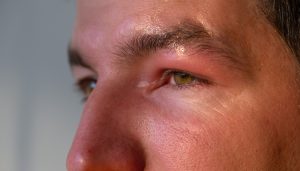
If you already have eye problems from diabetes, they could get worse. Watch for blurred vision, sudden changes in sight, or eye pain. See an eye specialist or doctor right away.
Ozempic Face
“Ozempic face” happens when you lose fat quickly from your face. This can make cheeks look sunken, skin appear looser, or give a gaunt appearance. Over time, your skin may adjust, but some people notice changes in how their face looks after significant weight loss.
Ozempic Butt
Rapid weight loss can also affect the shape of your bottom also called “ozempic Butt“. Some people notice a reduction in volume, making the butt appear smaller or less rounded. Maintaining muscle through exercise can help reduce this effect.
Ozempic Feet
“Ozempic feet” happens when fat and muscle are lost from the feet. They may look wrinkled, saggy, or slimmer than before. Usually, the skin slowly adjusts, but it can take time to regain a more natural appearance.
Thyroid C-Cell Tumours (Including Thyroid Cancer)
This is very rare, but it can happen. Look out for a lump or swelling in your neck, difficulty swallowing, a hoarse voice, or shortness of breath. If you notice any of these, see a doctor straight away.
How to Avoid Serious or Long-Term Side Effects of Ozempic?
While most people tolerate Ozempic well, you must take precautions to lower the risk of serious or long-term side effects. Here’s what you can do:
Follow Your Dose Exactly
Take Ozempic on the same day each week. Don’t increase your dose too quickly; let your body adjust.
Keep Your Doctor Informed
Tell your doctor about all medicines, supplements, or vitamins you take. Discuss any history of thyroid problems, pancreatitis, kidney issues, or gallbladder disease.
Regular Check-Ups
Make it your routine to check your blood sugar; also, get your kidney and eye checks done as advised. Report any new lumps, swelling, or unusual symptoms early.
Stay Hydrated
Drink enough water daily, especially if you have nausea, vomiting, or diarrhoea. Dehydration can worsen kidney problems or digestive issues.
Healthy Eating Habits
Try eating in smaller portions slowly. Do not eat foods that are rich in fats, fried, or very sugary, as they can upset your stomach.
Be Cautious with Surgery or Anaesthesia
Inform all healthcare professionals before any procedure. Ozempic slows digestion, which can affect anaesthesia or surgery.
Pregnancy and Breastfeeding
Avoid Ozempic if pregnant, planning pregnancy, or breastfeeding unless your doctor approves.
Ready to achieve your aesthetic goals?
- Over a Decade of Surgical & Aesthetic Expertise
- Personalised treatment plans tailored to your needs
Report Side Effects On Time
It is wise not to ignore any symptoms like severe stomach pain, vision changes, swelling, or allergic reactions.
Remember: Early reporting can prevent complications.
When do Side Effects Usually Start and Improve?
Here’s what you may expect from Ozemoic side effects:
- Mild effects: Most people notice mild effects, like nausea or tiredness, in the first few weeks. These usually get better as your body adjusts to Ozempic.
- Serious effects: More serious effects, like pancreatitis or eye problems, can happen at any time. They need immediate medical attention.
- After stopping Ozempic: Mild side effects may last for a few weeks, up to about five weeks, after your last dose as the medicine leaves your body.
Ozempic Safety and Precautions
Who should not take Ozempic: People with type 1 diabetes, a history of thyroid cancer (MTC), Multiple Endocrine Neoplasia type 2 (MEN 2), or severe allergies to semaglutide should avoid it.
Pregnancy & breastfeeding: Ozempic is not recommended if you are pregnant, planning pregnancy, or breastfeeding. Always speak to your doctor first.
Before surgery or anaesthesia: Tell your doctor or surgeon if you take Ozempic. It slows digestion, which may affect procedures under anaesthesia.
Reporting medications: Always tell your doctor about all medicines, supplements, or vitamins you take. This helps prevent low blood sugar if Ozempic is combined with other diabetes drugs.
When To See Your Doctor?
Some side effects are mild and go away on their own, but you should contact your doctor if you notice anything serious or unusual.
See a doctor immediately if you experience:
- Severe stomach pain, especially if it spreads to your back (possible pancreatitis)
- Signs of an allergic reaction, such as swelling of the face, lips, tongue, or throat, or trouble breathing
- Sudden changes in vision or eye pain (possible diabetic retinopathy)
- Yellowing of the skin or eyes
- Clay-coloured stools (possible gallbladder problems)
- Persistent vomiting, diarrhoea, or dehydration
Also, contact your doctor if:
- Mild side effects do not improve after a few weeks
- You feel unusually weak, dizzy, or confused
- You are unsure about any symptom while taking Ozempic
Always err on the side of caution; your doctor can help adjust your treatment or provide advice to keep you safe.
Bottomline on Ozempic Side Effects & Their Management
Many people report that they only experienced mild side effects, such as nausea, diarrhoea, or mild stomach discomfort, which usually improve as the body adjusts.
Serious side effects are seen in rare cases, but it’s important to know what to watch for and to contact your doctor if anything concerning arises.
For a safer and more comfortable treatment journey, you must follow your prescribed dose, stay hydrated, eat small meals, and keep your doctor informed about any other medications or health conditions. All of it reduces the risks of complications.
If you are considering starting Ozempic or want guidance on managing side effects, Yorkshire Skin Centre in Leeds can provide expert advice and support to ensure safe and effective treatment.
FAQs
1. Do you gain weight after stopping Ozempic?
Yes. Appetite returns after stopping, so some weight regain is common. Healthy eating and exercise can help.
2. What are the dangers of taking Ozempic?
Mild effects include nausea, vomiting, diarrhoea, constipation, or stomach upset. Rarely, serious issues like pancreatitis, gallbladder problems, low blood sugar, eye problems, kidney injury, or severe allergic reactions can happen.
3. How can you tell if someone is on Ozempic?
You can’t know for sure. Rapid weight loss or changes in the face, like sunken cheeks or more wrinkles (“Ozempic face”), can be a clue. Stomach upset may also occur.
4. What is Ozempic face?
Rapid weight loss can make your face look sunken or loose. Skin may adjust over time, but changes can be noticeable.