Can tiny needles really change your skin? It sounds too good to be true, but the answer is yes, microneedling is now a leading skin treatment in clinics all over the UK and worldwide. Beamed at by celebrities and skincare professionals alike, this non-invasive procedure prompts your skin to repair and renew itself naturally, without surgery or harsh chemicals.
Let’s explore exactly what microneedling does, how it works, when you’ll see results, and whether it’s the right option for your skin concerns.
A Quick Overview of Microneedling
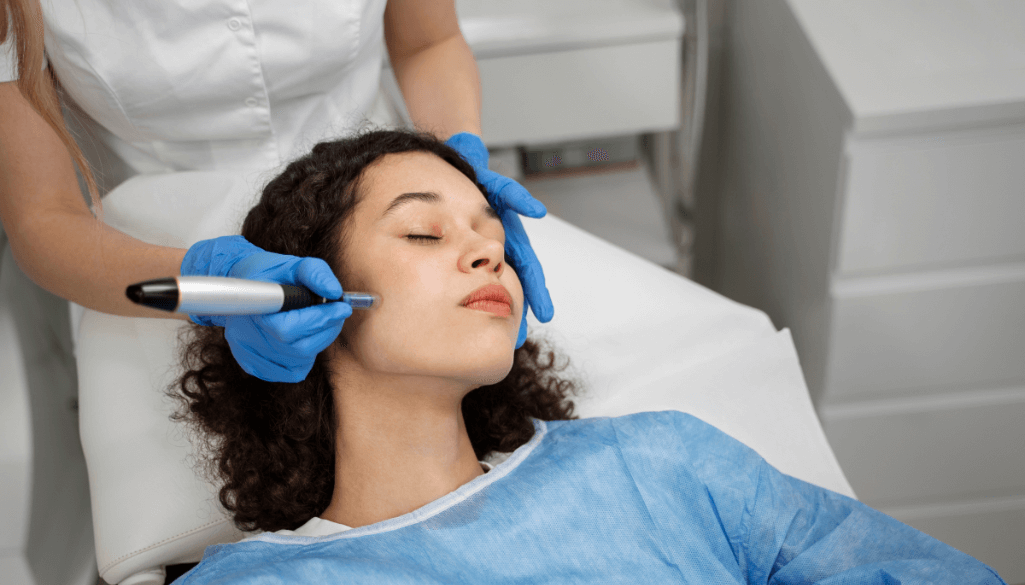
Microneedling, or collagen induction therapy, is a cosmetic procedure that applies very fine needles to create very small punctures (micro-injuries) in the skin’s upper layer. Although these injuries are more minor than you can see with your naked eye, they are sufficient to trigger your body’s own healing process.
This triggers a surge in collagen and elastin production, which are two key proteins for skin firmness, elasticity, and strength.
Microneedling may be performed by a dermaroller, dermapen, or a high-tech electronic device, usually capable of adjustable needle lengths, to effectively address various areas of concern.
Let’s See What Does Microneedling Do
Microneedling benefits the skin by stimulating your body’s healing mechanisms. Let’s break down what it really does for the skin:
Stimulates Natural Collagen & Elastin
The controlled damage created by the needles instructs your skin to form new elastin and collagen fibres—essential proteins that keep the skin firm, plump, and young. With age, we tend to reduce collagen production, causing sagging and wrinkles. Microneedling slows down this process by stimulating regeneration.
Smooths Fine Lines and Wrinkles
With regular treatments, microneedling can visibly smooth out crow’s feet, forehead lines, and smile lines. It fills the skin from the inside out, making it look smoother, fuller, and more radiant.
Breaks Down Scar Tissue
One of the strongest applications of microneedling is for acne scarring, surgical scars, or chickenpox scars. It breaks down old scarring tissue and encourages new skin cells to grow instead. This creates a more even skin texture.
Minimises Large Pores
Even though microneedling doesn’t actually shrink pores, it tightens the surrounding skin. This creates the illusion of smaller, less apparent pores, particularly on the nose and cheeks.

Ready to achieve your aesthetic goals?
- Over a Decade of Surgical & Aesthetic Expertise
- Personalised treatment plans tailored to your needs
Fades Pigmentation and Sun Damage
Microneedling reduces hyperpigmentation, sun spots, and melasma by promoting the turnover of pigmented skin cells and their replacement with new, even-toned skin.
Improves Skin Texture
Uneven or rough skin can become smoother with microneedling. The treatment encourages more even skin tone, reduced dryness, and a healthy glow overall.
Reduces Stretch Marks
Microneedling not only on the face but also on the body can minimise the visibility of pregnancy or weight stretch marks.
Increases Product Penetration
Immediately after microneedling, your skin is more receptive. Micro-channels enable serums, vitamins, and hyaluronic acid to penetrate further into the skin, increasing their effectiveness.
In brief, microneedling rewinds the clock on ageing and damaged skin using your own body’s natural healing abilities.
What to Expect During the Procedure?
If you’re interested in what exactly happens during a microneedling treatment, here’s an in-depth step-by-step guide:
A Pre-Treatment Consultation
First, your practitioner will assess your skin, discuss your goals, and check your medical history to ensure microneedling is safe and suitable for you. They might recommend a course of treatment for best results.
Skin Cleansing and Numbing
Your target area (or face) will be thoroughly cleansed to clear away makeup, oil, and bacteria. A topical cream anaesthetic is then applied and left on for 20–30 minutes to ensure the treatment is comfortable.
Microneedling Starts
The practitioner will use a dermapen or similar device and, in minor strokes, work the tool across your skin. The depth of needles can be adjusted according to the area treated—for instance, deeper for scars from acne and lighter for sensitive areas such as under the eyes.
Application of Active Serums
Post-microneedling, your skin becomes highly penetrable. This is when a hyaluronic acid serum, vitamin C, or growth factor serum can be applied to facilitate better results. These products penetrate deep into your skin to promote hydration, repair, and radiance.
Soothing Mask or Recovery Gel
Some clinics might apply a cooling or soothing mask after treatment to soothe any redness and facilitate faster skin recovery.
Post-Treatment Advice
After microneedling, your skin enters a healing phase and becomes more sensitive. Using gentle, hydrating skincare is essential during this time. The best product to use after microneedling is typically a hyaluronic acid–based serum or a calming repair formula, as these help restore moisture, support the skin barrier, and promote faster recovery without causing irritation.
When Will The Results Appear After Microneedling?
Microneedling results do not happen overnight, but they do emerge over time:
Ready to achieve your aesthetic goals?
- Over a Decade of Surgical & Aesthetic Expertise
- Personalised treatment plans tailored to your needs
- Day 1–3: Your skin may feel tight, warm, and slightly red.
- Days 4–7: The skin begins to feel smoother, with enhanced tone and texture.
- Weeks 2–4: By this time, collagen production is stimulated, and scars, lines, and pigmentation may soften.
- Week 6+: You may notice optimal results—skin looks firmer, clearer, and more youthful.
Most clients require a series of 3–6 treatments, separated by approximately 4 weeks, for optimal long-term effects.
Who Is Microneedling Right For?
Microneedling is perfect for:
- Men and women who desire to rejuvenate their skin.
- Individuals with acne marks or large pores.
- Those struggling with dullness or irregular colouration.
- Individuals with early ageing signs (fine lines, wrinkles).
- Anyone with mild sagging or texture problems.
However, It is not recommended for people who have:
- Active acne or open wounds.
- Flare-ups of eczema, psoriasis, or rosacea.
- Skin infections or cold sores.
- Bleeding disorders or some medications.
- Pregnancy or lactation (unless approved by a physician).
Now You Know What Does Microneedling Do & If It’s Right For You
Microneedling is one of the few treatments that’s supported by science and also visible to the naked eye. Whether you want to address scars, ageing, or simply give your skin a glow boost, it can make your skin smoother, firmer, and more radiant— all naturally.
The trick lies in consistency and a professional touch!
If you are in Leeds and looking for a skin rejuvenating treatment, opt for a clinic with skilled practitioners who can customise the microneedling treatment for your skin type.
FAQs
1. What are the benefits of microneedling?
Microneedling can improve skin texture and tone, reduce the appearance of scars, wrinkles, and stretch marks, and enhance overall skin rejuvenation by stimulating collagen production.
2. How long do microneedling results last?
Results typically last between 3 to 6 months. Maintenance sessions are often recommended to sustain improvements.
३. Does microneedling actually work?
Yes, by promoting natural collagen production, microneedling is effective for various skin concerns, including acne scars, fine lines, and uneven skin texture.
4. Why do I look older after microneedling?
Temporary inflammation and skin shedding post-treatment can make the skin appear older briefly. Proper aftercare is essential to support the healing process.