Swollen Eyelid: What It Is, Causes & Treatments
Waking up with a swollen eyelid can be uncomfortable, worrying, and sometimes confusing. For many people, it comes on suddenly, overnight, or within the first minutes of waking up, with no apparent cause. As with other symptoms, eyelid swelling may have a slow onset and become difficult to overlook.
As well, while a swollen eyelid is often no cause for concern, in some cases it can be a symptom of irritation, infection, allergies, or more serious health problems. Knowing why your eyelids are swollen, how to safely treat them, and when to call the doctor can help you get rid of swollen eyes with confidence.
This guide to swollen eyelids covers everything you need to know, from common causes and treatment options to home remedies and warning signs that should never be ignored.
What Is a Swollen Eyelid?
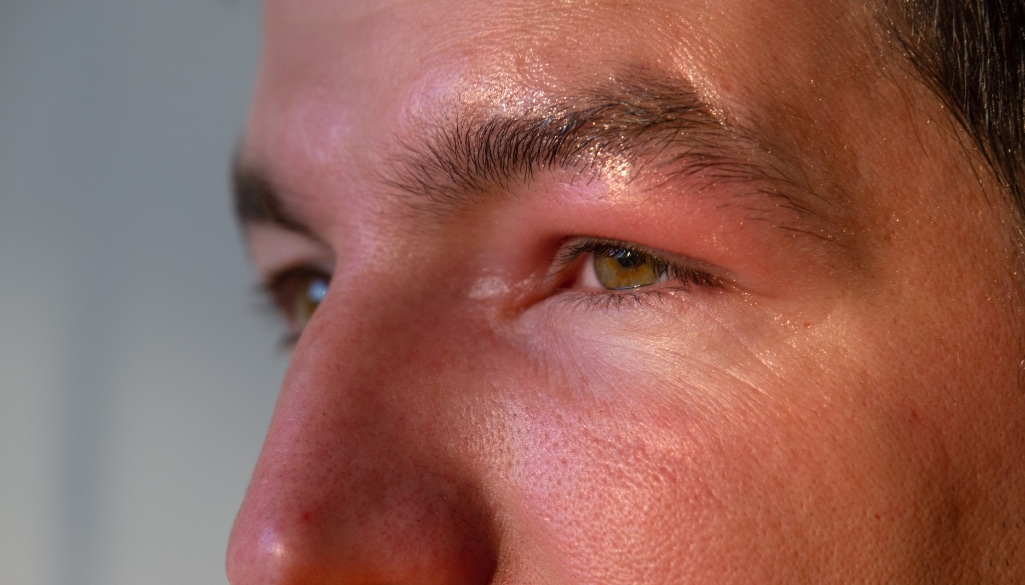
A swollen eyelid occurs when excess fluid becomes trapped in the soft tissues surrounding the eye. The eyelids are thin and fragile, with a high concentration of blood vessels, so they are more prone to becoming inflamed, irritated, or swollen due to fluid retention.
Swelling can occur in one or both of the eyes. Sometimes people notice one swollen eyelid, while others may have puffiness in both eyes (especially in the morning). The swelling can be slight and fleeting, or substantial and chronic, as the case may be.
A swollen eyelid may be red and puffy, or the area around the eye may feel warm, tender, or itchy. Vision is generally not affected, although intense soft-tissue oedema may be uncomfortable for the patient when attempting to blink or fully open the eye. In some cases, persistent upper eyelid concerns may lead patients to explore options such as Upper Eyelid Blepharoplasty for functional or aesthetic improvement.
Why Do Eyelids Swell So Easily?
The skin around the eyes is thinner than anywhere else on your body. This makes even a small change, like fluid retention, irritation, or inflammation, quickly visible.
Inflammation occurs readily when blood vessels dilate or fluid flows into adjacent tissues. That’s why eye swelling often appears first, even if the cause is elsewhere in the body.
Swollen Eyelids Causes: The Most Common Reasons
Swollen Eyelids Causes: Common Causes Versus Medical Conditions. There are a variety of causes of swollen eyelids, from everyday events to medical conditions. Knowing some common causes of swollen eyelids will help you narrow down the possibilities. Addressing these triggers can also be an important step when learning How to Cure Tired Eyes and improve overall eye comfort.
01. Allergies
Allergy is another common cause of eyelid swelling. Allergens like pollen, dust, pet dander, makeup, and skincare products can cause the area around the eyes to become inflamed.
In allergies, swelling is often accompanied by itching, redness, and watery eyes. It generally affects both eyelids and can get worse during allergy seasons or after contact with an offending trigger.

Ready to achieve your aesthetic goals?
- Over a Decade of Surgical & Aesthetic Expertise
- Personalised treatment plans tailored to your needs
02. Fluid Retention and Morning Swelling
Some people wake up in the morning and notice their upper eyelids are swollen, or others complain of waking with swollen eyelids. This is usually caused by fluid shifting while lying flat during sleep.
Bad sleep, dehydration, salty food, or alcohol can contribute as well. This is why you may notice your eyelids are swollen when you first wake up, and they gradually get better throughout the day.
03. Infections
Infections, bacterial or viral, may lead to painful swelling. Some conditions, such as styes or blepharitis, cause redness, tenderness, and discharge.
Risk is greater when inflammation involves a single swollen eyelid rather than both. The eyelid will be tender, warm, or painful to the touch, and generally gets worse rather than better if left untreated.
04. Blocked Oil Glands
Small oil glands around the edges of the eyelids can become blocked or inflamed. This can lead to a lump or general swelling that feels firm, possibly with mild pain.
It is common for obstructed glands to become chronically swollen if eye hygiene is inadequate or makeup is not completely removed.
05. Sinus Issues
Pressure and fluid in or around the eyes can also result from sinus congestion or infection. They may notice swollen balls in the morning or swelling around the upper eyelids due to sinus drainage problems.
This type of swelling is usually associated with facial pressure, nasal congestion, and headaches.
06. Eye Strain and Fatigue
Screen time for hours, insufficient sleep and eye strain can aggravate the eyes. Although not harmful, it can lead to puffiness and discomfort, particularly when you wake up in the morning.
One Swollen Eyelid: What Does It Mean?
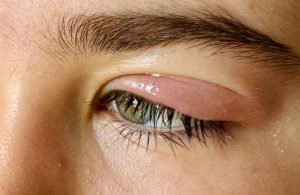
When swelling affects only one eye, it often points to a local issue rather than a general cause. A swollen eyelid is more likely linked to infection, trauma, or a blocked gland.
If one eyelid becomes suddenly swollen, painful, or red, it should not be ignored. While minor causes are common, worsening symptoms may need medical assessment.
Upper Eyelid Swollen in the Morning: Should You Worry?
An upper eyelid swollen in the morning is usually related to fluid retention during sleep. Gravity allows fluid to collect around the eyes overnight, especially if you sleep flat or on your stomach.
People often report waking up to a swollen upper eyelid that gradually improves after getting up, washing their face, and moving around.
This type of swelling is generally harmless. However, if morning swelling becomes frequent, severe, or painful, further evaluation may be needed.
Swollen Eyelid Treatment Fast Home Remedy Options
Many people are in search of the best home remedies to get rid of a swollen eye fast. Home remedies do not take the place of medical care, but can help in mild cases.
01. Cold Compress
Applying a clean, cold compress can help constrict blood vessels and reduce swelling. This is one of the great home remedies for swollen eyes and temporary puffiness.
Ready to achieve your aesthetic goals?
- Over a Decade of Surgical & Aesthetic Expertise
- Personalised treatment plans tailored to your needs
02. Warm Compress for Blocked Glands
And warm compresses can help open plugged oil glands and increase circulation. This method is particularly beneficial if the swelling feels stiff or sore.
03. Hydration and Diet Changes
Hydration and limiting salt intake can help maintain fluid balance. Dehydration can exacerbate eye puffiness, particularly in the morning.
04. Sleeping Position Adjustments
Elevating your head slightly at night can help reduce overnight fluid retention. This can help prevent waking up with puffy eyelids every day.
When to Seek Medical Attention Immediately
You should seek professional care if you have a swollen eyelid:
- Is painful or worsening
- Affects vision
- Is associated with fever or discharge
- Does not improve with appropriate medical treatment
Conclusion
A swollen eyelid is often more than just a cosmetic concern. While some cases are mild and short-lived, others may be linked to infection, inflammation, allergies, or underlying eye conditions. The key to effective treatment is identifying the exact cause and choosing the right clinical approach.
In-clinic treatments allow for accurate diagnosis, targeted medication, and safer long-term management, especially when swelling is painful, recurring, or affecting vision. Seeking professional care early helps reduce discomfort, prevent complications, and protect overall eye health.
FAQs
1. When should I see a doctor for a swollen eyelid?
If swelling is painful, worsening, recurring, or affecting vision, medical evaluation is recommended.
2. Can a swollen eyelid be a sign of infection?
Yes, especially if it is red, tender, warm, or has discharge, particularly in one eye.
3. Are swollen eyelids always serious?
No, many cases are mild, but persistent or severe swelling should not be ignored.
4. Can allergies cause eyelid swelling?
Yes, allergic reactions commonly cause soft, itchy swelling in both eyelids.
5. How long should eyelid swelling last?
Mild swelling often settles within a day or two; longer-lasting swelling needs medical review.