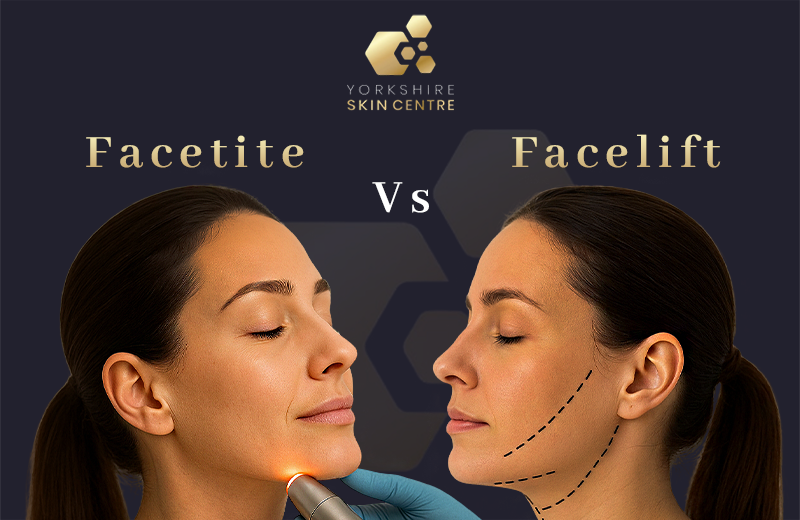
You may have come across the popular options, i.e., FaceTite vs. FaceLift, if you are noticing sagging skin or loss of contours.
Both of these procedures help restore your youthful skin and contours, not just on the face, but also on the neck. But they do so in very different ways. FaceTite offers skin tightening with radiofrequency energy and minimal downtime; on the other hand, a facelift provides more dramatic, long-lasting results as it is a more invasive procedure.
To understand the key differences between these two skin-tightening techniques, what results you can expect, and how to decide which one suits your goals best, this guide is for you. Read it till the end so that you can make a confident decision.
FaceTite VS Face Lift: Comparison at a Glance
Features
FaceTite
FaceLift
Invasiveness
Minimally invasive, tiny incisions
Surgical, longer incisions along the hairline/ears/chin
Anaesthesia
Local (with optional light sedation)
General anaesthesia
Procedure
A radiofrequency probe tightens tissue & melts fat
Surgically removes skin, tightens muscles/SMAS
Downtime
3-7 days
2–4 weeks off work
Results
Subtle & build up gradually
Dramatic, immediate after swelling
Longevity
3–5 years
7–10+ years
Scarring
Minimal
Noticeable but discreet
Ideal Candidate
Mild to moderate skin laxity, early signs of ageing.
Moderate to severe sagging, deep wrinkles.
What Is FaceTite?
FaceTite is a minimally invasive cosmetic treatment designed to lift and tighten the skin without the need for major surgery. It uses radiofrequency energy, delivered just under the skin, to gently firm sagging areas and reduce small pockets of fat.
FaceTite is a good option for anyone noticing early signs of ageing, such as mild skin laxity, slight jowls, or a less-defined jawline, and it can also be used as a “pre-juvenation” step to slow down the ageing process.
Here’s a closer look at what makes FaceTite different:
The Procedure: A small probe is inserted under the skin through tiny entry points. The device delivers radiofrequency energy that tightens the skin and helps melt small areas of fat, creating a more sculpted and youthful appearance.
Who It’s Best For: Those with mild to moderate sagging, early wrinkles, or volume loss in the face and neck. It’s also great for people who want to maintain their youthful look before more advanced signs of ageing appear.
Invasiveness: Very minimal. Only a few tiny punctures are needed, leaving almost no visible marks.
Anaesthesia: Most patients only require local anaesthesia, sometimes with light sedation, so the treatment feels comfortable without the risks associated with general anaesthesia.
Downtime: Short and manageable. Most people experience some swelling or mild bruising for a few days, but can usually return to work and daily activities within a week.
Results: Natural-looking and gradual. Your skin will feel tighter and look smoother over several weeks as collagen rebuilds beneath the surface.
How Long It Lasts: On average, results can last around five years, depending on your skin type, age, and lifestyle.
Risks: Very low. Most patients report minor bruising, slight soreness, or temporary swelling, which typically resolves within a few days.
Cost: Facetite cost is less than a full surgical facelift, making it a more accessible option for those seeking noticeable improvement without surgery.
Is FaceTite as Good as a FaceLift?
It depends on what you’re hoping to achieve. FaceTite and a facelift both lift and tighten the skin, but they’re designed for different needs. FaceTite is best for mild to moderate sagging. It uses radiofrequency energy to firm and contour the skin with shorter recovery times.
A facelift, however, offers more dramatic and long-lasting results by surgically tightening deeper tissues and removing excess skin.
Remember: While FaceTite isn’t a replacement for a facelift, it’s an excellent choice if you want noticeable yet natural rejuvenation without surgery.
What Is a Facelift?
A facelift, also known as rhytidectomy, is a surgical procedure which is designed to lift, tighten, and smooth the face by addressing deeper signs of ageing. It focuses on sagging skin, deep wrinkles, and loss of firmness, the kinds of changes that usually can’t be improved with non-surgical treatments alone.
FaceLift helps restore the natural contours of your face and neck, giving a firmer, more youthful appearance.
Ready to achieve your aesthetic goals?
CQC-Registered Clinic with Nationally Recognised Leadership
Over a Decade of Surgical & Aesthetic Expertise
Personalised treatment plans tailored to your needs
Here’s what makes a facelift different from non-surgical options like FaceTite:
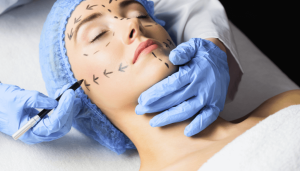
The Procedure: Small incisions are made along the hairline and around the ears. Through these openings, the surgeon carefully lifts the skin, repositions the underlying muscles and tissues, and removes any excess skin.
Who It’s Best For: People with more advanced sagging, deeper lines, or skin that has lost significant elasticity and showing deep wrinkles.
Invasiveness: It involves larger incisions and deeper work beneath the skin.
Anaesthesia: It is performed under general anaesthesia to ensure complete comfort.
Downtime: Recovery takes longer. Most people need 2-4 weeks to return to work, and it can take several weeks for complete healing.
Results: Very noticeable and long-lasting. The face looks smoother, firmer, and more defined, often taking years off one’s appearance.
Longevity: Results typically last around 10 to 15 years.
Risks: As with any surgery, there are higher risks such as bruising, swelling, infection, scarring, or temporary numbness.
Cost: More expensive than FaceTite, reflecting the surgical expertise and lasting transformation it delivers.
A facelift offers dramatic, long-term results for those ready for a more permanent change.
FaceTite vs. Face Lift: Which Is Right for You?
When you start noticing sagging skin, jowls, or fine lines that make you look more tired than you feel, it’s natural to wonder, ‘Should I go for FaceTite or a facelift?’ Both treatments help you look fresher and more lifted, but choosing the right one depends on a few personal factors.
Let’s go through some key questions to help you decide what’s best for your face and lifestyle.
01. Do You Want Surgery?
If you’re comfortable with the idea of surgery and can take some time off to recover, a facelift may be right for you. It’s a surgical procedure, which means you’ll be under anaesthesia and need a bit more downtime.
But if you prefer something less invasive, FaceTite could be the smarter choice. It doesn’t require large incisions, general anaesthesia, or long recovery days. For anyone with mild to moderate sagging who wants real improvement without “going under the knife,” FaceTite can offer that sweet spot between subtle and noticeable change.
02. What Kind of Results are you Hoping for?
If you’re aiming for a refreshed, more defined look, not necessarily a dramatic transformation, FaceTite does a great job of tightening the skin and improving contours.
However, if you have deeper wrinkles, loose skin around your neck, or advanced sagging that non-surgical treatments can’t fix, a facelift will deliver stronger, longer-lasting results. It’s ideal if you want a clear, visible lift and smoother skin that can take a decade off your appearance.
03. How Long Do You Want the Results to Last?
FaceTite results can last around five years, depending on your skin type and lifestyle. Facelift results, on the other hand, can stay beautifully in place for 10 to 15 years.
If you’re looking for a long-term investment and don’t mind surgery, the facelift gives unmatched longevity. But if you’re still in your 30s or 40s and not ready for something that permanent, FaceTite is a great “middle step” to maintain youthful skin for years to come.
04. How Much Downtime Can You Manage?
FaceTite gives you the benefit of a quick recovery. Most people return to work or their daily routines within a few days, although some mild swelling and bruising can persist for about a week.
Facelift recovery, on the other hand, takes more time. You’ll likely need about 10 to 14 days before you feel fully comfortable being out and about. So if you’re planning around work or family commitments, your available downtime might guide your decision.
05. What’s Your Budget?
While cost shouldn’t be the only factor, it’s a practical one.
A facelift generally costs more because it involves surgery, anaesthesia, and a longer recovery. FaceTite is more affordable and still delivers noticeable tightening and contouring, making it a popular choice for those wanting visible results without the surgical price tag.
Choosing a Trusted & Experienced Provider
Whether you’re considering FaceTite or a facelift, the results largely depend on who performs your treatment. Always choose a qualified, experienced practitioner who has a grip on facial anatomy and has a proven track record in aesthetic procedures.
Ready to achieve your aesthetic goals?
CQC-Registered Clinic with Nationally Recognised Leadership
Over a Decade of Surgical & Aesthetic Expertise
Personalised treatment plans tailored to your needs
Look for clinics that offer detailed consultations, clearly explain all your options, and customise the treatment to your specific goals. A skilled provider will help you achieve natural results safely.
Taking your time to find the right expert will make your results look natural and never overdone.
Bottomline on FaceTite VS FaceLift
When it comes to comparing facetite and facelift, remember that both treatments aim to tighten and lift the face, but they serve different needs. If you’re looking for a less invasive option with minimal downtime, FaceTite is an excellent choice.
For more advanced sagging means you will require a significant lifting, so a surgical facelift may be a better option. The right option depends on your skin’s condition, your goals, and the amount of downtime you’re comfortable with.
Choosing the right clinic and expert makes all the difference.
Consult the experts at Yorkshire Skin Centre for FaceTite in Leeds. Here, expertise meets results.
FAQs
What is the best age for FaceTite?
The best age for FaceTite is typically between the late 30s and early 50s, when you start to notice mild sagging, fine lines, or early jowls. It’s perfect for those who want to tighten and contour without surgery.
How much is FaceTite vs facelift?
FaceTite costs around £3,000–£6,000, depending on the area treated. In comparison, a surgical facelift can cost £10,000 or more. While a facelift delivers more dramatic results, FaceTite offers a subtler lift with less downtime and a lower cost.
What is the difference between FaceTite and TriLift?
FaceTite uses radiofrequency energy to melt fat and tighten skin from underneath, while TriLift uses electrical muscle stimulation (EMS) to tone facial muscles and lift the skin. FaceTite focuses on contouring and tightening; TriLift helps improve firmness and facial definition.
What’s the best alternative to a facelift?
If you’re not ready for surgery, treatments like FaceTite, Morpheus8, and dermal fillers are great facelift alternatives. They lift, firm, and smooth the skin — giving a youthful look without long recovery times.
How many sessions of FaceTite do I need?
Most people require only one FaceTite session to achieve noticeable tightening. However, depending on your skin’s laxity, some may benefit from up to 2 or 3 treatments for optimal results. The effects can last several years with good skincare and maintenance.
Connect with Us
Please provide your details, and we will get back to you shortly.
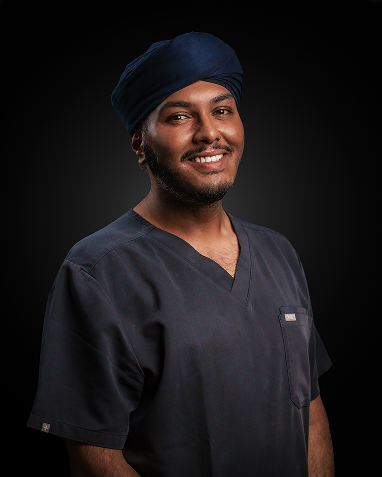
About Dr. Raj Thethi - Medical Reviewer
Dr. Raj Thethi
Yorkshire Skin Centre in Leeds is a CQC-registered medical clinic. It is led by Dr Raj Thethi who completed his core surgical training in hospitals around West Yorkshire before branching into aesthetics.
Dr Raj Thethi is a Northern Territory Regional Expert for an international dermal filler company called Teoxane. He also sits on their National UK Faculty.
Have you ever noticed your eyelids feeling unusually heavy, making it a struggle to keep your eyes open even when you’re not tired? This common yet frustrating sensation can impact daily comfort and sometimes hint at underlying issues you might not be aware of. Whether it’s a fleeting feeling after a long day or a […]
Sculptra is an injectable treatment that helps your skin rebuild its own collagen. Instead of filling lines immediately, it works gradually, restoring volume and firmness over time for results that appear soft and natural. Many people choose Sculptra injections in the UK because they want a fresher look without the “overdone” effect some fillers can […]
Sculptra is a treatment that helps your skin look firmer and restores lost volume naturally. It can be used on the face and certain areas of the body, like the cheeks, temples, jawline, chin, and buttocks. Some areas, such as the lips, forehead, and under the eyes, are best avoided by practitioners to ensure smooth, […]
When we talk about the “perfect side profile”, we aren’t talking about a one-size-fits-all standard of beauty. Instead, it is all about harmony. A truly aesthetic side profile is created when your nose, chin, lips, and forehead work together in balance. Sometimes, a slight adjustment to the chin can make the nose look smaller, or […]
Thinking about trying Profhilo but not sure if it’s worth the money? You’re not alone. With so many skin treatments out there in the wWorld of aesthetics, it can be hard to know what works the best for you. Profhilo has become a buzzword for giving skin a natural, dewy glow without changing your face […]
Please provide your details, and we will get back to you shortly.
Connect with Us
Please provide your details, and we will get back to you shortly.
Mr Mark Gorman
Consultant Plastic Surgeon
Dr. Mark Gorman is a consultant plastic surgeon and department lead at Salford Royal, specialising in facial plastics and complex reconstructive procedures. His expertise spans a wide range of areas, including oculoplastic, nasal, ear, abdominal, and microsurgical reconstruction, with particular focus on breast, head and neck, and lower limb reconstruction.
With a non-surgical and surgical skillet, Dr. Gorman is known for using advanced techniques to achieve natural, harmonious results. His approach often integrates dermal fillers and fat transfer to enhance facial features in combination with a range of deep plane facelifts.
Beyond facial aesthetics, his specialties include high-definition liposuction, allowing for precise body contouring.
Dr. Gorman’s approach to plastic surgery is rooted in skill, combining technical precision with a deep understanding of aesthetics to achieve refined and personalised outcomes for each patient.Dr.Gorman is a key opinion leader (KOL) for major UK aesthetic companies, also has taught at BAAPS (British Association of Aesthetic Plastic Surgeons), bringing his expertise to the next generation of surgeons.
Additionally, he runs his own aesthetic training company, further extending his influence in the field.Dedicated to total well-being, Dr. Gorman created the Look Body Mind philosophy, which blends aesthetics and wellness for a holistic approach to beauty.Whether you’re looking for subtle enhancements or comprehensive reconstructive work, Dr. Gorman’s patient-centered care, grounded in precision, skill and an exceptional aesthetic eye, ensures that you will feel confident throughout your journey.
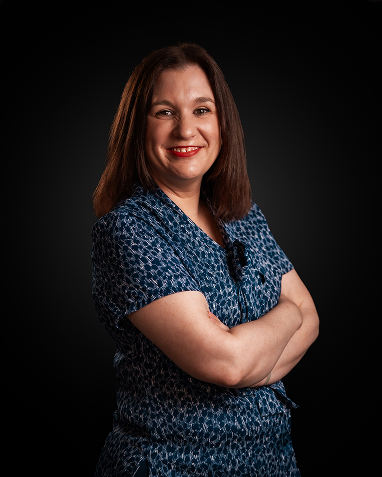
Sophie Harrison
Administrator
Sophie brings over a decade of customer service expertise to her role as Receptionist at Yorkshire Skin Centre. With a strong foundation in retail management and the travel industry, she is recognised for her warm, approachable manner and professional attitude—ensuring every client feels welcomed and valued from the moment they arrive.
Highly organised and calm under pressure, Sophie thrives in fast-paced environments and seamlessly manages a wide range of front-of-house responsibilities.
As the first point of contact for many clients, she plays a vital role in maintaining the clinic’s high standards of service and creating a smooth, reassuring experience for all visitors.
Beyond her professional skills, Sophie brings a vibrant energy to the team. She has a passion for travel, fashion, and music, and is currently learning both Spanish and Arabic. Her dedication to personal growth, combined with her friendly and proactive approach, makes her an indispensable part of our team.
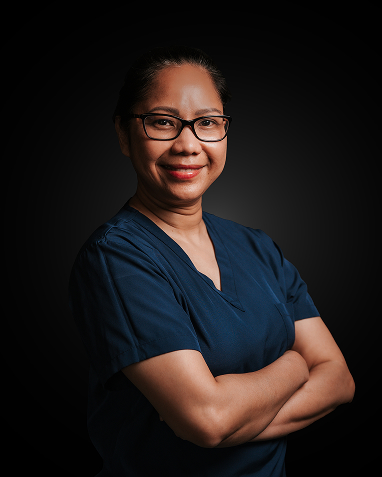
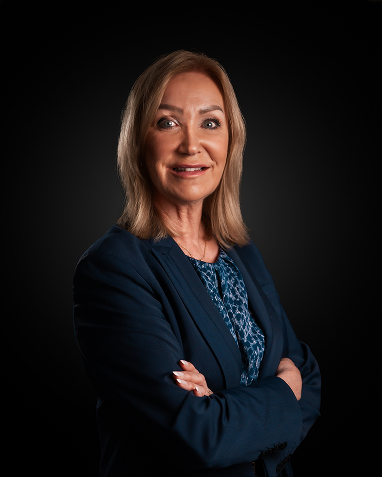
Herezel McCourt
Senior Surgical Sister(RN)
Herezel McCourt is a highly experienced Registered Nurse at Yorkshire Skin Centre, bringing over two decades of clinical expertise across diverse surgical and medical specialties. She holds a BSc (Hons) in Perioperative Practice from Huddersfield University, UK, and a BSc in Nursing from Cebu Doctors’ University in the Philippines.
Herezel has spent the majority of her career within the NHS, most recently as a Clinical Specialist in Ophthalmic Surgery at The MidYorkshire Teaching NHS Trust.
Her extensive background includes roles in operating theatres, anaesthetic care, ENT, urology, plastics, maxillofacial, orthopaedic, and podiatric nursing, among others.
Renowned for her professionalism, dedication, and compassionate care, Herezel is also a trained mentor, assessor, and ANTT trainer. She has led initiatives in recruitment, risk assessment, SOP development, and patient care pathway planning. Her leadership credentials are strengthened by a Level 3 Award in First Line Management and a strong commitment to staff development and peer support.
Herezel is a calm and supportive presence to both patients and colleagues, and her attention to clinical excellence makes her an invaluable member of the Yorkshire Skin Centre team.
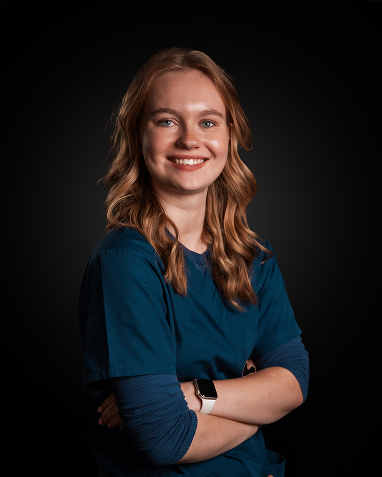
Rhea Levitt
Clinical Assistant
Rhea Levitt is a highly experienced Clinical Assistant at Yorkshire Skin Centre, known for her hands-on approach, warm personality, and commitment to delivering high-quality patient care. With a solid background in healthcare settings, Rhea brings valuable clinical expertise and administrative support to the team.
Her wide-ranging experience includes phlebotomy, wound care, ECGs, diabetic foot checks, B12 injections, and assisting in minor surgical procedures. She is also skilled in patient health monitoring, spirometry, and providing support during clinics such as coil fittings and cancer care.
Rhea’s well-rounded clinical knowledge is matched by her excellent organisational skills and a calm, compassionate approach to patient wellbeing.
In addition to her clinical duties, Rhea supports the practice by carrying out internal audits and ensuring best practices are upheld throughout the clinic. She plays a key role in maintaining smooth day-to-day operations and upholding the high standards that Yorkshire Skin Centre is known for. Dedicated, professional, and always ready to help, Rhea is an invaluable member of the team who helps ensure that every patient receives attentive, safe, and seamless care.
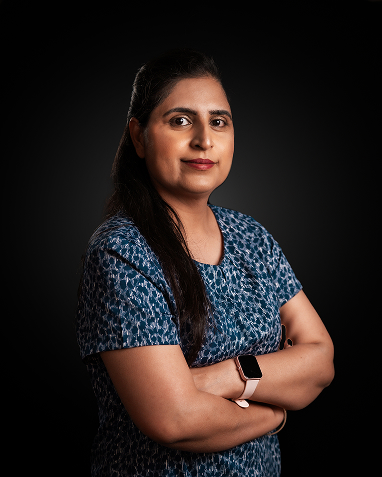
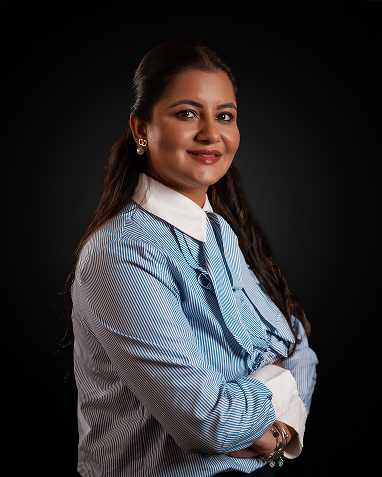
Raman Kaur
Administrator
Raman holds a Bachelor of Science with Bachelor of Education (BSc, BEd) from India, a qualification that integrates scientific studies and teaching education, equipping her with a strong foundation in both fields. She is currently building her career in the UK healthcare industry, bringing her hardworking, compassionate, and friendly nature to the team. With valuable experience in customer service and patient care, Raman plays a key role in managing day-to-day operations, handling bookings, and ensuring a smooth and welcoming experience for all patients.
Her dedication to excellence and passion for healthcare and client well-being make her an integral part of our team.
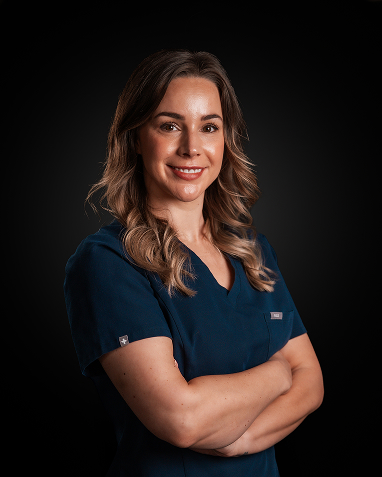
Nichola
Practitioner
Nichola is a highly skilled practitioner with a strong background in beauty and holistic therapies. She earned her Level 3 Beauty Therapy qualification with distinction from the Yorkshire College of Beauty and further enhanced her expertise with Level 4 Specialist training. She is also CIDESCO-certified, an internationally recognized gold standard in beauty and spa therapy, ensuring clients receive the highest level of care and treatments. With 18 years of customer service experience, primarily in the hospitality industry, Nichola deeply understands the importance of building strong client relationships. She is known for her hardworking nature, punctuality, and dedication to continuous learning.
Passionate about skincare and wellness, Nichola is committed to expanding her expertise in a leading skin clinic. She believes that the knowledge and experience she gains will be invaluable in delivering the highest standard of care to her clients.
Request a Call Back
“ Your journey to skin perfection starts here. Leave your details, and our expert team will be in touch shortly.”
Please provide your details, and we will get back to you shortly.
Dr Camila Valencia
Aesthetic Doctor
Dr Valencia has over 10 years experience in the aesthetic field. Originally from Ecuador, she moved to the UK in 2014. Dr Valencia performs a wide range of treatments at the Yorkshire Skin Centre including injectables, consultations and minor surgery.
Dr Valencia comes from a family of surgeons and is proud to have been taught by some of the best physicians both at home and at the School of Medicine in Guayaquil -Ecuador.As an entrepreneur, she founded her own Laser Hair Removal company and worked in various specialist Aesthetic Medicine clinics in Madrid for 11 years.
In 2014 she moved to the UK with her family and now works very closely with Dr Raj, as an associate doctor at the Yorkshire Skin Centre.
Dr Valencia is committed to helping her patients to understand and enhance their appearance, always with a view to achieving a natural-looking result.
Qualifications:
MSc Cordoba University 2009
PGDip Alcala University 2007
DMed University of Santiago 2003
Sophie Walker
Expert Practitioner
Sophie is a highly experienced practitioner. She passed her Level 3 Beauty Therapy with a distinction at Yorkshire College of Beauty, also completed her Level 4 Specialist training. She is also CIDESCO qualified. CIDESCO is the world standard for beauty and spa therapy meaning you are getting the very best of treatments at an internationally examined standard.
Sophie works in the clinic 5 days a week and performs many treatments such as HydraFacial, Forma, Laser Therapy, Morpheus8, UltraClear Laser, fat freezing, ThermaVein, chemical peels, derma planning and much more. Rest assured you are in safe, experienced hands.
Nationally recognised leader in the field of Aesthetics
Yorkshire Skin Centre in Leeds is a CQC registered medical clinic. Led by Dr Raj Thethi who completed his core surgical training in hospitals around West Yorkshire before branching into aesthetic medicine.
Dr Raj Thethi is a Northern Territory Regional Expert for an international dermal filler company called Teoxane. He also sits on their National UK Faculty. He is nationally recognised leader in the field of Aesthetics and a skilled trainer up..Yorkshire Skin Centre in Leeds is a CQC registered medical clinic. Led by Dr Raj Thethi who completed his core surgical training in hospitals around West Yorkshire before branching into aesthetic medicine.
Dr Sharan Thethi
Clinic Director
Dr Sharan BDS has a bachelor’s degree in Dentistry and Oral Surgery. She is married to Dr Raj and has taken a step back from dentistry to help run the family venture. She is the Manager of the Yorkshire Skin Centre.
Gemma Elliott
Patient Care Coordinator
Gemma is a highly experienced and versatile practitioner with experience in both performing treatments and running a busy aesthetic clinic.
At YSC, Gemma is Dr Raj Thethi’s clinical assistant but also works as a practitioner in the clinic and is fully experienced with all the technologies to a very high standard. Rest assured you are in safe, experienced hands.
Dr Raj Thethi
Founder and Medical Director
Dr Raj is the Founder and Clinical Director of the Yorkshire Aesthetic Clinic. With a successful career in aesthetics and a passion for patient care, Dr. Raj found that his expertise in facial aesthetics was a natural progression where he could showcase his warm and friendly demeanour alongside his exceptional skills.
Dr Raj specialises in advanced facial aesthetics, offering a wide range of treatments and skin procedures. With his extensive training and experience in both medical and aesthetic fields, he brings a unique perspective to delivering exceptional results.
Driven by his passion for patient satisfaction, Dr Raj established the Yorkshire Aesthetic Clinic. Located in a comfortable and welcoming environment, the clinic provides a luxurious and refined setting for patients seeking aesthetic treatments…. Read More
Get a free eBook
Fill in the details below and download free eBook
Sarah Coates
Patient Representative
Hi, I’m Sarah Coates. I’m a Senior Change Manager, Hogan accredited coach, proud mum of 2 beautiful boys and am blessed with incredible friends to get into mischief with!
As I headed towards my 40th birthday, my life changed in a way that I could never have imagined and I came off that roller coaster with a new lease of life, with an understanding of the importance of self care and a huge amount of gratitude.
I love to travel, have a passion for interior design and enjoy sharing all that life has to offer with my beautiful family and fabulous friends.
If I’m not at work, you’ll find me playing at the park with my boys, enjoying the sun in Ibiza, listening to music or at the bar with a glass of fizz!
Bailey
Patient Representative
Hi I’m Bailey and I live in North Yorkshire with my husband and two working spaniels. I have been seeing Dr. Raj for facial rebalancing due to trauma and anti-aging procedures for six years.
Abie Ansari
Patient Representative
I am Senior Manager currently working for a small charity based in Leeds. My role is both professionally stimulating and challenging. No two days are ever the same. It includes aspects of advocacy, client rights, individual representation and inclusivity.
One milestone that resonates deeply is the creation of support groups, safe spaces where clients can openly share their stories. Witnessing the impact of these connections has fuelled my determination to improve the journey of others.
Through my own aesthetic endeavours , I’ve developed an unparalleled understanding of the emotional nuances tied to cosmetic treatments. This empathy allows me to offer sincere reassurance and guidance, especially during moments of vulnerability, in an era of aesthetic care that marries technical expertise with genuine human understanding and a person centred approach.
In my spare time I love the outdoors, enjoying hillwalking, taking part in sport, managing my bountiful allotment, and enhancing my cookery skills trying different cuisines (..no Masterchef yet).. and travel.
Dr. Farzana Khan
Consultant and General Surgeon
Dr. Khan earned her MD from Copenhagen University in 2003 and boasts over 20 years of medical expertise. Her early career was dedicated to dermatology and gynaecology across Yorkshire, and in 2011, she became a qualified GP from The Royal College of General Practitioners in London.
Dr. Khan’s commitment to women’s health is evident through her achievements. In 2012, she earned a Diploma in Sexual and Reproductive Health.
Linda Conway
Sales Administrator
Linda comes from a sales and customer record management background.
Here at YSC she personally manages a huge volume of enquiries that come through our clinic everyday, regarding treatments and special offers. She has extensive customer service knowledge and also has wide knowledge of the beauty industry having been a successful manager for Virgin Vie cosmetics.
Book a
Consultation
★★★★★5/5
Excellent 470+ Reviews
on
Mr Jeeva
Consultant Ophthalmologist & Oculoplastic Surgeon
Mr Jeeva is celebrated for his mastery in aesthetic eyelid surgery. By adopting a patient-centric ethos, he delivers personalised treatments that amplify natural beauty and revive youthful vitality.
He has completed a prestigious fellowship at the Royal College of Surgeons, specialising in cosmetic plastic surgery. This rigorous training has endowed him with advanced techniques in aesthetic surgery, ensuring outcomes that are both beautiful and natural.
With a specialised fellowship in oculoplastic surgery, Mr Jeeva has honed his skills in delicate eyelid surgeries, tear duct disorders… Read More
Alana Hunter
Independent Nurse Prescriber
Alana embarked on a career in nursing in 2008, following her comprehensive training and graduation. Since then, she has accrued a wealth of experience working in a variety of roles within both the NHS and private healthcare sectors. Known for her dedication and exceptional skills, Alana rapidly ascended into management, and for the past seven years, has been serving as a matron.
Throughout her career, she has consistently maintained her clinical competencies and academic studies. She initially earned a Bachelor’s degree in Nursing, later advancing her studies to become an Advanced Nurse Practitioner and Independent Prescriber. Her commitment to continuous professional development led to the completion of her full Master’s degree.
Alana’s passion for skin spurred her to further specialise in this field. In 2017, she pursued training in facial aesthetics, a decision that marked the beginning of a significant new chapter in her career. Since then, she has been affiliated with several leading skin clinics across the UK, where she has honed her expertise and built a reputation for excellence. Her extensive knowledge and experience in skin led her to become an expert medical trainer and since 2021, Alana has been imparting her knowledge at an award-winning training academy. Previously, she held the prestigious position of National Trainer for SKN Clinics, where she educated a variety of medical professionals, including plastic surgeons.
While Alana enjoys all aspects of skin, she has a particular fondness for medical-grade skin care, which she believes offers unparalleled benefits to patients. Her dedication to patient care and her professional knowledge and skills, make her a standout figure in this field. Through her work, Alana has positively impacted numerous lives, helping patients achieve their best skin health and aesthetic goals. In her trainer role, Alana is known for her meticulous approach and her ability to convey complex information in an accessible manner, ensuring that her trainees are well-equipped to deliver high-quality care. Her leadership and mentorship have been crucial in elevating the standards of practice within the industry.
Alana’s career is a testament to her unwavering commitment to excellence in nursing and aesthetics. Her professional journey reflects a blend of clinical expertise, academic achievement, and a genuine passion for improving patient care. As she continues to advance her career, Alana remains dedicated to staying at the forefront of the field, continually enhancing her skills and knowledge to provide the best possible care to her patients and to train the next generation of skin care professionals.
Mr Nikos Lymperopoulos
Consultant Plastic & Reconstructive Surgeon
With over 15 years of experience in the NHS, Mr Nikos Lymperopoulos specialises in reconstructive and cosmetic plastic surgery. He graduated from the University of Athens Medical in 2009 and completed his basic surgical training in Liverpool. After earning a PhD with honours in DIEP clinical anatomy research in 2013, he completed advanced surgical training in plastic surgery across Yorkshire and Liverpool, including a cosmetic fellowship in the North West.
Mr Lymperopoulos further honed his expertise with two prestigious breast reconstruction microsurgical fellowships at The Royal Marsden Hospital in Chelsea and Guy’s & St Thomas’ Hospitals in London. His extensive experience in breast reconstruction after mastectomy provides a profound understanding of surgical anatomy and aesthetics, benefiting procedures such as breast augmentation, reduction, and uplift. Additionally, he is highly skilled in abdominoplasty, often enhanced with liposuction or muscle repair, especially post-pregnancy.
Specialising in skin cancer treatment, he adeptly handles Basal Cell Carcinoma, Squamous Cell Carcinoma, and Melanoma. He offers a comprehensive range of breast and body cosmetic surgeries, including breast augmentation with implants or fat transfer, breast reduction, uplift, tummy tucks, and liposuction. Combined procedures, such as “mommy makeovers,” are also available to restore post-pregnancy body contours.
Trained in both surgical and non-surgical facial rejuvenation, Mr Lymperopoulos performs eyelid surgery (blepharoplasty), as well as toxin and filler injections. Currently, he serves as a Consultant at Mid Yorkshire Teaching Hospitals, specialising in breast reconstruction and skin cancer surgery, and holds an Honorary Senior Lecturer position at the University of Leeds.
An advocate for education and research, Mr Lymperopoulos has over 20 publications in peer-reviewed journals and a PhD in microsurgical breast reconstruction. As an Education Lead, he developed “The Yorkshire FRCS (Plast) Course” to aid UK trainees in their exit exams. His innovative training simulator was awarded first place in Innovation at the BAPRAS meeting in 2021.
Blepharoplasty
Blepharoplasty, also known as an eye lift, is a surgical procedure performed on the eyelids to improve their appearance. It can address concerns like:
Excess skin on the upper eyelids: This can obstruct vision and create a hooded appearance.
Bags under the lower eyelids: These can make you look tired or aged.
Drooping lower eyelids: This can also obstruct vision and contribute to a tired appearance.
Types of Blepharoplasty:
Upper blepharoplasty: This addresses concerns with the upper eyelids, removing excess skin and sometimes fat or muscle tissue.
Lower blepharoplasty: This addresses concerns with the lower eyelids, removing excess fat or skin and sometimes repositioning tissues.
Asian blepharoplasty: This addresses specific concerns related to the anatomy of Asian eyelids, creating a more defined crease.
 Skip to content