When the skin on your face begins to lose its firmness and volume, your cheeks will sag, and your jawline will appear less defined. Natural ageing, changes in the fat pad, bone loss, and lifestyle factors like sun exposure, stress, or weight fluctuations are typically the causes of this.
There are methods to restore a youthful contour, ranging from straightforward facial exercises and skincare to non-surgical procedures like fillers, threads, and energy-based devices, as well as surgical options.
In this blog, we’ll go over everything you need to know about sagging cheeks, including what causes them, how to identify them early, and the best natural or professional methods for lifting your midface.
What Are Sagging Cheeks?
Sagging cheeks are when the skin on your cheeks starts to droop and look less firm. When we are young, our cheeks are full and lifted, giving the face a fresh, round shape. Over time, they can lose that plumpness and start to sag, making the face look a little tired or less defined.
It’s a natural part of ageing, and almost everyone experiences it.
What Causes Sagging Cheeks?
Here are the main factors that may lead to saggy cheeks:
1. Ageing
Ageing naturally causes the skin to lose some of its firmness. The tissues that once kept our cheeks lifted and plump start to relax, making the cheeks droop and softening the natural contours of the face.
2. Bone Loss
The bones in our face, especially around the cheeks and jaw, slowly shrink a little as we grow older. This reduces support for the skin and tissues above, which can make the cheeks sag more easily.
3. Fat Pad Shift
Underneath the skin, small pockets of fat give the face its shape. Over time, these fat pads can shift downwards. When this happens, the cheeks may look flatter, and the lower face can appear heavier.
4. Daily Habits
Lifestyle habits such as smoking, poor diet, lack of water, and high stress levels can all speed up sagging. These habits affect how healthy and strong the skin remains, making cheeks droop faster.
5. Weight Changes
Rapid changes in weight can also affect the face. When weight is lost quickly, the skin can’t always tighten back immediately, which may cause the cheeks to look saggy.
6. Sun Exposure
The natural strength of the skin can be harmed by excessive sun exposure. The proteins that keep the skin firm, collagen and elastin, are broken down by UV light. This may cause cheeks to lose their smoothness and lift over time.
6. Genetic Makeup
Finally, genetics plays a part. Some people naturally have skin and facial structures that sag earlier or more easily. Family traits influence how and when sagging cheeks appear.
What are the Symptoms & Signs of Saggy Cheeks?
Sagging cheeks can slowly change the look of your face, and noticing the signs early helps you take action.

Ready to achieve your aesthetic goals?
- CQC-Registered Clinic with Nationally Recognised Leadership
- Over a Decade of Surgical & Aesthetic Expertise
- Personalised treatment plans tailored to your needs
- Loss of Fullness: Cheeks may look flatter or hollow.
Flattened Contours: The rounded, youthful shape of the cheeks fades. - Dull Skin Appearance: Cheeks may lose their natural glow.
- Skin Laxity: Skin feels softer and may droop slightly.
- Deepening Lines: Nasolabial folds become more noticeable.
- Jowls Formation: Skin along the jawline can sag, softening facial contours.
How to Know If You Have Sagging Cheeks?
Not sure if your cheeks are starting to sag? Here’s a simple way to check:
- Look for Volume Loss: Notice if your cheeks feel flatter or less plump than before.
- Jawline Sag or Deeper Folds: Check if your jawline looks softer and if the lines from your nose to mouth (nasolabial folds) are more noticeable.
- Mirror Test: Stand in front of a mirror and look at your midface. If the skin seems to pull downward or droop slightly, it could be a sign.
- Early vs Advanced Signs: In the early stage, changes are subtle, and the skin still bounces back. Advanced sagging is more obvious, with drooping and flattening of the cheeks.
How Do You Fix Saggy Cheeks? Non-Surgical Options
Modern aesthetic treatments focus on lifting, firming, and restoring lost volume in the cheeks. Specialists often combine techniques for the best results, addressing the skin, underlying muscles, and facial structure for a natural, youthful appearance.
1. Volume Restoration and Biostimulation
Replacing lost facial volume helps lift sagging cheeks and restore a youthful contour.
Cheek fillers or dermal fillers, such as hyaluronic acid, e.g., Juvéderm Voluma and Restylane Lyft, add instant volume to the cheekbones and temples, helping lift the lower face and smooth nasolabial folds. Creates a refreshed, natural look.
Sculptra/Radiesse (Collagen Stimulators)
Stimulate your body’s own collagen over several months. Volume returns gradually, giving natural-looking results that can last up to two years.
Profhilo Structura is designed specifically for mid-face restructuring; it improves cheek firmness and hydration. Offers long-lasting results and enhances the natural contours of the face.
2. Energy-Based Lifting
These treatments use heat or focused ultrasound to tighten deep layers of the skin and stimulate new collagen production. The effects gradually improve over 2 to 3 months and can last up to two years.
Targets the deep SMAS layer beneath the skin using focused ultrasound. It gently lifts the cheeks, brow, and jawline, giving a natural, long-lasting improvement without surgery.
Uses radiofrequency energy to heat the dermis, causing collagen contraction and renewal. Smooths out crepey skin, tightens the face, and improves overall firmness.
It delivers parallel ultrasound beams to the mid-dermal layer, improving early sagging and fine lines. It tightens the skin gradually with no downtime.
3. Minimally Invasive Mechanical Lifts
These treatments physically lift sagging tissues while encouraging collagen growth, offering both immediate and long-term benefits.
Thread Lifts (PDO / PLLA / PCL threads)
Biodegradable threads are inserted under the skin to lift sagging cheeks. They provide an instant mechanical lift while stimulating natural collagen to create lasting support.
Morpheus8 (RF Microneedling)
Tiny needles deliver radiofrequency energy deep into the dermis and subdermal fat. Tightens sagging midface tissue, sculpts the jawline, and improves overall cheek firmness.
4. Innovative 2025 Technologies
Modern devices target multiple layers of the face to provide combined lifting, tightening, and muscle-toning effects.
A needle-free treatment that uses radiofrequency combined with facial muscle stimulation. Strengthens the elevator muscles of the face while tightening skin, creating a subtle, natural lift.
A minimally invasive laser procedure where a tiny fibre melts small fat pockets and tightens the tissues simultaneously, improving midface contour and firmness.
Removes tiny cores of excess skin to reduce laxity without traditional surgery. It physically tightens the cheeks, giving a smoother, firmer, and more youthful appearance.
How To Lift Sagging Cheeks? Surgical Options
When sagging is more severe and non-surgical options are no longer able to provide enough lift, surgical treatments are typically taken into consideration.
1. Facelift (Midface or Full Facelift)
A facelift lifts and repositions the deeper layers of the face, not just the skin. It helps raise sagging cheeks, smooth deep folds, and improve jowls. Results are long-lasting, but recovery time is longer compared to non-surgical treatments.
2. Fat Transfer
This treatment uses your own fat, taken from areas like the abdomen or thighs, and places it into the cheeks. It restores lost volume and soft lift in a very natural way. Some of the fat settles permanently, while some is absorbed by the body over time.
Ready to achieve your aesthetic goals?
- CQC-Registered Clinic with Nationally Recognised Leadership
- Over a Decade of Surgical & Aesthetic Expertise
- Personalised treatment plans tailored to your needs
3. Cheek Implants
Cheek implants are solid implants placed over the cheekbones to enhance structure and projection. They can improve facial balance and support sagging tissue. This option is usually chosen by people who want a permanent change to their cheek shape.
How To Lift Your Cheeks Naturally? Home Remedies
Even if you don’t want to go for professional treatments yet, there are ways you can support your cheeks at home. These methods help improve muscle tone, skin firmness, and overall appearance naturally. Results take time and consistency, but they can make a noticeable difference.
1. Facial Exercises
Gentle exercises for your cheeks can strengthen the muscles underneath your skin, giving your face a lifted look.
- Cheek Lifter: Make an “O” shape with your lips over your teeth, smile, and feel the muscles lift. Hold, then relax.
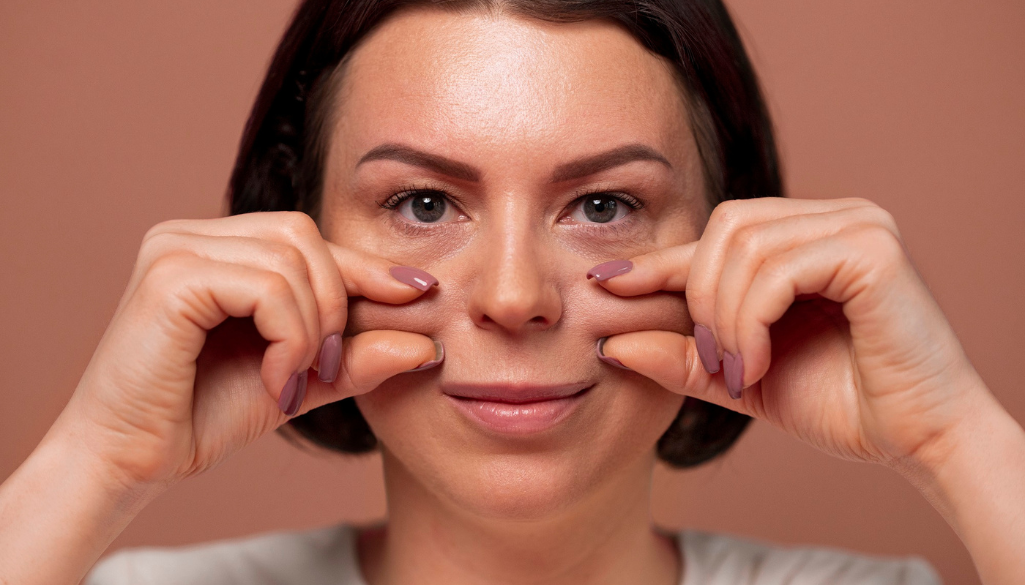
- Happy Cheeks: Smile without showing teeth, purse your lips, and lift your cheeks. Massage upwards lightly with fingers.
- Air Puffs & Fish Face: Fill your cheeks with air, then suck them in, then move or smile to engage the muscles. Repeat slowly for a few minutes.
Practising these for a few minutes every day helps tone the midface muscles over time.
2. Facial Massage & Tools
Massaging your cheeks can boost circulation and make your skin feel firmer. Using tools can enhance the effect.
- Gua Sha or Rollers: Use these to sweep the cheeks upward. They help lymphatic drainage, improve blood flow, and reduce puffiness.
- Hands: Use oil or moisturiser to gently massage cheeks in upward strokes towards the temples for five to ten minutes.
3. Skincare & Lifestyle
Healthy habits support skin elasticity from the inside out.
- UV Protection: Daily SPF prevents early sagging and protects collagen.
- Hydration: Drink plenty of water to keep skin plump.
- Nutrition: Eat foods rich in healthy fats, such as nuts, avocado, and fish, for natural volume.
- Collagen Boosters: Serums or creams with vitamin C, peptides, retinol, or hyaluronic acid support skin structure.
When to See a Professional for Cheeks Sagging
Talk to an expert if:
- You notice visible changes, such as droopy cheeks, deepening nasolabial folds, or a sagging jawline.
- Home methods aren’t improving your cheeks sagging.
- You want personalised, safe solutions to lift your cheeks.
It’s Time To Lift Your Saggy Cheeks!
Sagging cheeks are a natural part of ageing, but there are plenty of ways to refresh and lift your midface. From simple daily exercises and skincare to advanced non-surgical treatments or surgical options, the right approach can restore volume, firmness, and confidence.
If you’re looking for guidance on the best solution for your sagging cheeks, consulting with an experienced professional at Yorkshire Skin Centre can help you choose a safe and personalised plan for a naturally youthful look.
FAQs
1. How do I lift my cheeks naturally?
Use collagen-boosting skincare products, eat healthy fats, stay hydrated, perform facial exercises like the “Cheek Lifter,” and massage your face upward with oils or tools. Cheeks can be lifted and made firmer with regular practice.
2. How can I lift my cheeks without fillers?
Try facial exercises, massages, or energy-based treatments like Ultherapy and RF microneedling to tighten and lift the midface.
3. At what age do cheeks start to sag?
Cheeks can begin to sag as early as the late 30s or early 40s due to collagen loss, fat pad descent, and bone changes. However, the timing varies depending on genetics, lifestyle, sun exposure, and skincare habits.
4. Can facial sagging be reversed?
You can’t fully reverse ageing, but fillers, thread lifts, and collagen-boosting treatments can restore volume and lift sagging cheeks.
5. How to regain volume in cheeks?
Dermal fillers and collagen stimulators restore lost cheek volume, while RF microneedling improves firmness and skin quality for a lifted appearance.