How to Get Rid of a Muffin Top: Complete Guide
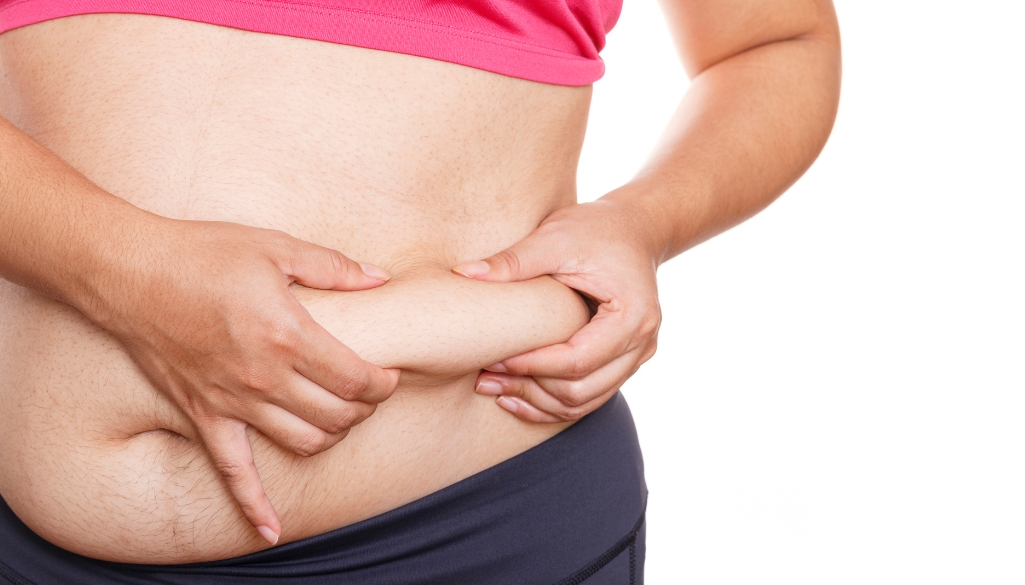
A muffin top, the excess fat that spills over the waistband of your pants, can be a frustrating area to manage. It’s a common concern that affects people of all shapes and sizes and often resists diet and exercise.
While it’s mostly a cosmetic issue, the muffin top can sometimes reflect underlying lifestyle and health factors. Whether you’re looking for natural ways to reduce this stubborn fat or considering clinical treatments, this comprehensive guide covers everything you need to know about how to get rid of a muffin top effectively.
What is a “Muffin Top”?
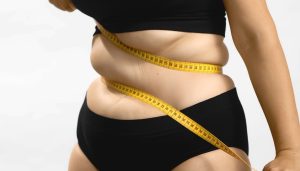
The term “muffin top” describes the roll of fat that hangs over the waistband of tight pants, resembling the top of a muffin. This fat usually accumulates around the midsection, creating a bulge known as the muffin top belly or muffin top stomach.
There are two main types of fat in the body: subcutaneous fat, which is stored under the skin, and visceral fat, which surrounds internal organs. A muffin top is mainly subcutaneous fat, making it visible and palpable. While subcutaneous fat is less harmful than visceral fat, which is linked to metabolic diseases, it can still serve as a signal for evaluating lifestyle habits, since excess fat accumulation may stem from diet, hormone imbalance, or physical inactivity. For those looking to improve their body shape and overall health, understanding How To Lose Subcutaneous Fat? can be an important first step.
Why Muffin Tops Form: The Real Causes
01. Genetics & Body Shape
Genetics play a significant role in determining where your body stores fat. Some people naturally store more fat around their midsection, resulting in a more pronounced muffin top.
02. Diet & Calorie Surplus
Consuming more calories than you burn leads to fat storage. Excess calorie intake, especially from sugary drinks and refined carbohydrates, can accumulate around the waist.
03. Hormones & Life Stages
Hormones like cortisol (the stress hormone) influence fat distribution. Life stages such as menopause also bring hormonal changes that cause fat to accumulate more around the belly.
04. Muscle Tone, Posture, and Clothing Fit
Weak core muscles and poor posture can make a muffin top more noticeable. Tight clothing may also push fat and skin outwards, emphasising the bulge.
05. Medications and Medical Conditions
Some medications and medical issues can contribute to fat retention or hormonal changes that worsen a muffin top. If concerned, consulting a healthcare professional is important.
Diet Strategies That Actually Help
01. Calorie Awareness
Creating a sustainable calorie deficit without extreme dieting is key. This means managing portion sizes and being mindful of energy intake versus expenditure.

Ready to achieve your aesthetic goals?
- CQC-Registered Clinic with Nationally Recognised Leadership
- Over a Decade of Surgical & Aesthetic Expertise
- Personalised treatment plans tailored to your needs
02. Protein Focus and Fibre Intake
Eating lean proteins and fibre-rich foods supports fullness, muscle maintenance, and better digestion, which aids fat loss.
03. Minimising Sugary Drinks & Refined Carbs
Reducing or eliminating these helps control insulin fluctuations and reduces calorie overload.
04. Meal Timing and Portion Control
Spreading meals throughout the day in balanced portions prevents overeating. A sample day might include a protein-rich breakfast, a light lunch with veggies, and a moderate dinner.
05. Body Composition Tracking
Instead of relying solely on scales, tracking body fat percentage provides a clearer picture of fat loss progress.
Small habit changes, such as choosing water over soda or swapping fries for a salad, can add up to significant benefits over time.
Exercise Plan to Lose Muffin Top
A well-rounded weekly exercise plan combines cardio, strength training, and core-targeting exercises for the best results.
- Cardio: High-intensity interval training (HIIT) mixed with steady-state cardio helps burn calories efficiently and improves metabolism. Examples include brisk walking intervals, cycling, or hill climbing.
- Strength Training: Lean muscle building increases resting metabolic rate, helping reduce overall fat. Full-body moves like squats, lunges, and push-ups support muscle growth.
- Oblique and Core Exercises: Targeted exercises improve muscle tone and posture. Try Russian twists, side planks, bicycle crunches, and hip dips with short, focused sessions.
Short 20–30 minute workouts tailored for beginners to intermediate levels can be effective and manageable. Recovery and gradual progression ensure steady results without burnout.
Lifestyle Factors
- Sleep Quality: Poor sleep disrupts the hormones that control hunger and fat storage.
- Stress and Cortisol Management: Practical methods such as deep breathing, brief breaks during work, and walks help regulate stress hormones.
- Alcohol Consumption: Alcohol adds empty calories and promotes fat accumulation, especially in the belly area.
- Clothing and Posture: Wearing supportive, well-fitted clothing and maintaining good posture can instantly minimise the appearance of a muffin top and boost confidence.
When to Consider Clinic Options
For stubborn muffin tops that don’t respond to diet and exercise, clinical treatments offer additional solutions.
01. Non-Surgical Treatments
- CoolSculpting (Fat Freezing): This non-invasive procedure freezes fat cells, which die off and are naturally eliminated. It targets subcutaneous fat with no downtime and visible results within weeks.
- Radiofrequency (RF) Assisted Body Contouring: RF treatments tighten skin and reduce fat through heat, improving contour and firmness.
- Injectable Lipolysis (Injection Lipolysis): Fat-dissolving injections break down localised fat deposits with minimal recovery time, perfect for small areas.
02. Surgical Options
- Liposuction: This removes larger volumes of fat surgically but requires recovery time and carries surgical risks.
- Abdominoplasty (Tummy Tuck): Best for cases with excess skin and underlying fat, this procedure removes excess skin and tightens abdominal muscles.
Clothing & Style Hacks to Minimise Appearance
High-rise pants and supportive undergarments smooth the waistline, reducing muffin top visibility. Clothes made from stretchy fabric and strategically cut flatter the figure. For swimwear or casual wear, choosing darker colours and avoiding tight waistbands helps create a cleaner silhouette.
Conclusion
Getting rid of a muffin top takes consistent effort through smart diet tweaks, targeted exercises like core work and HIIT, better sleep, and stress management. For stubborn areas, clinic treatments such as CoolSculpting or liposuction offer lasting results when lifestyle changes fall short.
Start small today, track your habits, move more, and book a consultation for personalised guidance. You’ll feel more confident in weeks with the right approach.
FAQs
01. How long until I see results?
Results vary, but diet and exercise changes usually take 4-8 weeks; clinical treatments show gradual improvements over several weeks.
Ready to achieve your aesthetic goals?
- CQC-Registered Clinic with Nationally Recognised Leadership
- Over a Decade of Surgical & Aesthetic Expertise
- Personalised treatment plans tailored to your needs
02. Can exercise alone get rid of my muffin top?
Exercise helps reduce fat and tone muscles, but stubborn fat may require additional treatments.
03. Is fat freezing permanent?
Yes, fat cells removed by CoolSculpting are permanently gone, but remaining fat cells can grow if lifestyle changes aren’t maintained.
04. What’s best for loose skin after fat loss?
Treatments like RF skin tightening or surgery are options depending on the severity.
05. Is muffin top dangerous?
Mostly cosmetic, but it may indicate lifestyle factors needing attention.
06. How can I prevent a muffin top from returning?
Consistent diet, exercise, and lifestyle habits are key to preventing fat regain.