Blog /
Cankles /
Cankles: What They Are, Causes & Treatment
Cankles: What They Are, Causes & Treatment
Ever glance down at your legs and notice how your calves seem to flow straight into your ankles without that nice, clean break? You’re not alone; many people deal with what folks call “cankles,” and it can make boot season or sandal struts feel a bit off.
This guide explores cankles: what they are, causes & treatment options, helping you understand whether it’s just your build or something more, with a strong focus on practical ways to address it.
What Are Cankles?
Cankles, short for “calf ankles,” describe when the calf muscle blends right into the ankle with no clear separation, giving the lower leg a thicker, straighter look. It’s not a medical term but a common way people refer to fat ankles or a lack of definition around the ankle joint. What are cankles? Simply put, it’s the smooth transition where bony ankles are hidden under extra tissue, fat, or swelling, making legs look less tapered.
The cankle meaning often ties back to aesthetics; think of it as ankles that don’t “pop” with shape. What are cankles in everyday terms? They’re those sturdy lower legs that skip the hourglass curve most ankles have. While harmless for many, they can stem from everyday habits or health quirks, and spotting the difference early helps with targeted fixes. For those looking for solutions, understanding How To Get Rid Of Cankles can be the next step towards improving ankle definition and confidence
Cankles vs Normal Ankles
Spotting cankles vs normal ankles comes down to shape and feel. Normal ankles show a distinct inward curve above the foot, with visible bony knobs (malleoli) and a narrower profile that tapers from the calf to the foot, making it easy for most shoes to fit without squeezing.
Cankles lack that dip; the calf width extends down, often making the ankles measure close to calf size, such as 10-12 inches around, rather than the typical 8-9 inch drop.
Fat ankles in cankles feel softer or more swollen, sometimes with a doughy texture from fluid or fat, whereas normal ones remain firm, with muscle tone evident.
Cankles versus normal ankles also show that in fit normal ones, the ankles slide into heels smoothly, whereas cankles may cause rubbing or a “stuffed sausage” effect in straps. Mobility is usually fine, but cankles can tire more quickly due to extra weight around the joint.
What Causes Cankles?
What causes cankles? A mix of factors piles on, from your DNA to daily habits. Cankles often stem from five main causes that blur the calf-ankle line.
01. Genetics and Body Shape
Your genes set the stage for leg structure; some folks inherit shorter Achilles tendons or wider bone frames, making calves hug ankles tightly. Body shape also plays a role: a pear or apple build deposits of padding right where the definition hides. If family members share thick lower legs, you’re likely wired that way, resistant to spot fixes.
02. Local Fat Deposition (Lipedema/Adipose)
Fat ankles from uneven deposits, like lipedema, hit women hard. Painful, persistent fat nodules cluster in the calves and ankles, despite dietary efforts. Regular adipose fat just bulks the area, especially if overall weight increases, turning subtle curves into straight lines.

Ready to achieve your aesthetic goals?
- CQC-Registered Clinic with Nationally Recognised Leadership
- Over a Decade of Surgical & Aesthetic Expertise
- Personalised treatment plans tailored to your needs
03. Fluid Retention/Oedema (Heart, Kidney, Venous/Lymphatic Causes)
Edema swells tissues when fluid accumulates, often from heart strain that reduces pumping efficiency, kidney dysfunction that retains sodium, or venous issues such as varicose veins that pool blood. Lymphatic blockage worsens it, commonly occurring after injury or in hot weather.
04. Muscle and Tendon Anatomy/Weak Calf Definition
Weak calves from desk jobs or low activity mean less muscle pop to frame the ankle. Bulky tendons or short muscles pull everything flush, mimicking fat even if lean.
05. Medications, Pregnancy, Injury
Pills like blood pressure medications, steroids, or hormones cause puffiness; pregnancy hormones plus weight-shift fluids go down. Sprains or fractures leave lasting swelling if not iced immediately.
How Common Are Cankles?
Cankles affect up to 30-40% of women, per clinic stats, spiking in midlife with weight gain or vein changes. Men see it less, but obesity bridges the gap. It’s widespread enough that searches for “cankle meaning” and treatments surge yearly.
When to See a Doctor
Rush to a doctor if one ankle swells alone, pain throbs with redness, or shortness of breath accompanies, as these red flags may indicate clots, infection, or heart/kidney issues. Persistent puff despite rest, skin hardening, or leg fatigue also warrants evaluation.
Non-Surgical Treatments
These ease mild cases, tackling root issues without scalpels. They excel at oedema or light fat but have limitations with deep deposits.
01. Lifestyle: Diet, Weight Management, Salt, Fluid Balance
Reduce daily sodium intake to under 2,300mg; replace processed snacks with vegetables and lean proteins. Shed 5-10% body weight via balanced calories; it slims ankles 1-2 inches often. Hydrate steadily; elevate legs nightly to promote fluid drainage.
02. Exercise & Targeted Strengthening (Calf Raises, Plyometrics)
Jumping rope for 10 minutes daily improves calf tone; perform 3×15 calf raises on stairs while holding dumbbells. Plyometrics, such as box jumps, build definition; start slowly; three sessions per week. Cardio, such as brisk walking, reduces overall fat.
03. Manual Therapies: Lymphatic Drainage Massage
Gentle strokes push fluid up pro sessions weekly, reducing swell 20-30%. Self-massage with oils circles from foot to knee, 10 mins daily.
04. Compression Garments & Stockings (How They Work, How to Choose)
These squeeze veins to pump fluid, reducing ankle size by 1 inch. Pick 20-30mmHg knee-highs, medical-grade, fitted by pros, avoid tight fashion ones. Wear during the day, size for calf peak.
05. Medical Management of Oedema (Treat Underlying Cause, Diuretics Only When Indicated)
Fix veins with lasers or heart meds first; diuretics like furosemide drop fluid short-term but risk rebound, doc-prescribed only.
Minimally Invasive & Surgical Treatments for Cankles
01. Radiofrequency (RF) Skin Tightening Minimally Invasive)
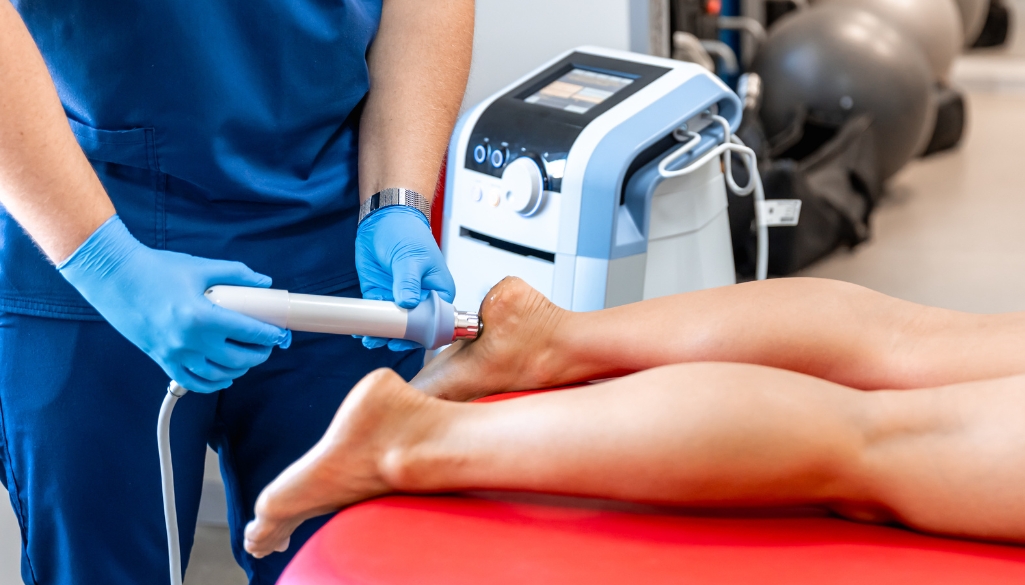
RF skin tightening uses controlled heat to firm the skin around the lower legs and ankles. It stimulates collagen production, which helps reduce the heavy, swollen look often seen in cankles. This option is most appropriate when loose skin is the primary concern rather than excess fat. Results improve gradually over several weeks with little to no downtime.
02. Laser Lipolysis (Minimally Invasive)
Laser lipolysis melts small pockets of fat beneath the skin using a thin fibre that delivers precise laser energy. It’s ideal for people with mild fat ankles who want noticeable definition without undergoing full liposuction. The treatment also has a gentle skin-tightening effect as collagen remodels. Recovery is minimal, and results appear as the body naturally clears the melted fat.
03. Vaser Liposuction (Minimally Invasive to Surgical)
Vaser liposuction employs ultrasound technology to break down fat before removal, making it highly precise for sculpting the ankle–calf area. It is one of the most effective options for stubborn cankles that don’t respond to exercise or lifestyle changes. The procedure delivers smoother contours and a more defined ankle shape. Downtime varies, but results are long-lasting and often dramatic.
Ready to achieve your aesthetic goals?
- CQC-Registered Clinic with Nationally Recognised Leadership
- Over a Decade of Surgical & Aesthetic Expertise
- Personalised treatment plans tailored to your needs
04. Traditional Liposuction (Surgical)
Traditional liposuction removes excess fat directly from the ankle and lower leg via a small cannula. It is recommended that cankles are caused mainly by resistant fat deposits rather than swelling or skin laxity. This procedure can create a clear difference between the ankle and calf, improving overall leg shape. Recovery is longer, but the fat removal is permanent.
05. Radiofrequency-Assisted Liposuction (BodyTite) (Surgical)
BodyTite combines liposuction with radiofrequency energy to remove fat while tightening the skin. It’s perfect for heavier cankles where both fat reduction and skin tightening are needed. This dual approach yields smoother, firmer results than liposuction alone. Most people see a visible ankle–calf transition once swelling settles.
06. Lymphatic Drainage/Manual Therapy–(Minimally Invasive)
Although not a fat-removal procedure, lymphatic drainage helps reduce swelling that can make cankles look worse. It works by improving venous circulation in the lower legs, particularly in individuals with oedema or impaired lymphatic flow. Results are subtle but helpful when combined with other treatments. It is often recommended to minimise swelling before and after liposuction.
Final Thoughts
Cankles can be frustrating, especially when they don’t improve with exercise or general weight loss. Understanding cankles: what it is, causes & treatment helps you identify what’s truly behind the issue, whether it’s fat, swelling, genetics, or skin laxity.
The good news is that a wide range of effective treatments are available, from minimally invasive options to advanced surgical procedures that reshape and define the ankle area.
With the right assessment and a personalised treatment plan, you can achieve a slimmer, more contoured lower-leg appearance. If you’re unsure which option is right for you, a specialist consultation is always the best first step.
Frequently Asked Questions
01. What are cankles?
Cankles occur when calves blend into ankles without a clear curve, often due to fat, swelling, or genetics, creating a straight, thicker lower-leg appearance.
02. What causes cankles?
Common culprits include genetics, local fat such as lipedema from heart or vein issues, weak calf muscles, pregnancy, medications, or injuries.
03. Can diet and exercise fix cankles?
They help mild cases by reducing overall fat and building calf tone (e.g., calf raises) and by promoting low-salt intake, but stubborn fat or oedema often requires more, such as liposuction.
04. Is cankles treatment surgery safe?
Yes, minimally invasive liposuction is low-risk with local anaesthesia; most walk out the same day, recovering in weeks with compression, though rare contour issues can occur.
05. How long until I see results from cankles liposuction?
Swelling resolves within 2-4 weeks, but full ankle definition is not achieved until 3-6 months, as the skin tightens. Many notice a 2-3-inch slimming effect right away.