If you’ve ever looked in the mirror and wondered “how to get rid of saddlebags”, you’re far from alone. Those pockets of fat on the outside of your thighs can feel stubborn, frustrating, and hard to shift, especially if you’re trying hard but seeing little change.
The good news? There is a smart and healthy way to minimise the appearance of saddlebags through proper exercise, diet, and patience. This is not about band-aid fixes but about sustainable, real-world strategies that fit into your life.
But there’s so much you can do to prevent, reduce, and eliminate saddlebags (we’ll explain them all below).
What Are Saddlebags and Why Do They Happen?
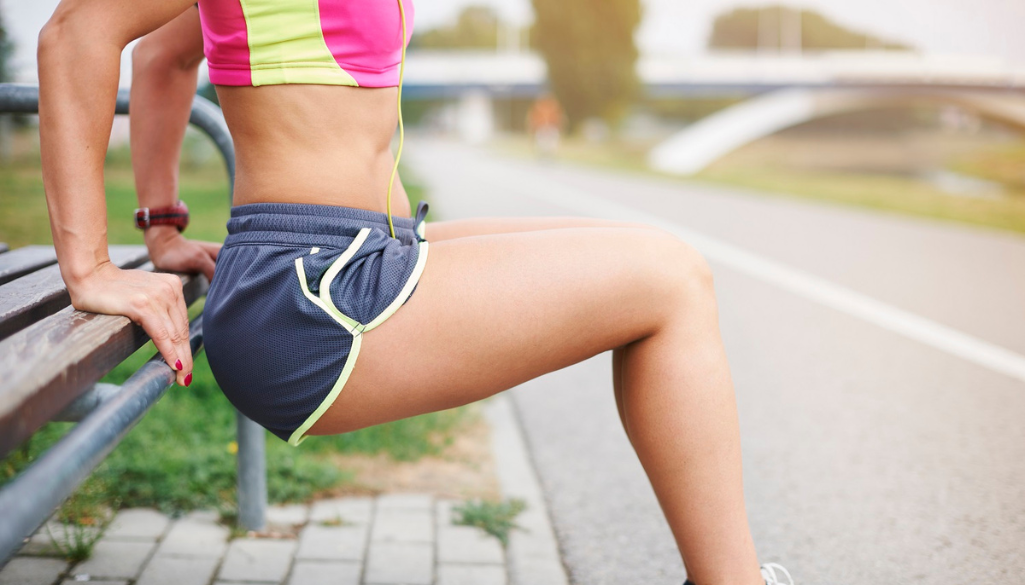
Saddlebags are fat deposits that collect on the outer thighs, just below the hips. This is a common area for fat to accumulate, as the body’s hormones and fat distribution play out. Livestrong
Here are some typical causes of saddlebags:
- Genetics: How your body is naturally shaped plays a significant role. For some people, fat storage is more noticeable in this area. Livestrong
- Hormones: In women, especially estrogen, can promote fat accumulation around the hips and thighs. Healthline
- Lifestyle factors: A sedentary lifestyle or excess caloric intake without physical activity, which reflects one’s energy consumption, can worsen it. Livestrong
You should know that you cannot spot-reduce fat, which means it’s not possible to pick one tiny area and expect the fat to melt away just from there. Fat disappears from all over the body, and saddlebags can be especially stubborn due to genetics and hormonal factors.
Real Ways to Reduce Saddlebag Fat
1. Create a Healthy Daily Calorie Plan
If you want to cut down on how to get rid of saddlebags fast, a major factor is adjusting your overall calorie intake so you’re in a slight calorie deficit, meaning you burn more than you consume. This helps reduce body fat, and over time, the thighs and hips will become slimmer. legionathletics. com
You don’t need extreme diets.
Instead:
- Base your diet on whole foods, which is to say, vegetables, lean protein (meat or fish), fruit, and grains in their whole form.
- Limit processed snacks, soda, and fast food as much as possible. Livestrong
- Add fibre and protein to your meals; they keep you fuller for longer. Healthline
2. Move Your Body in Ways You Enjoy
You know that exercise is important for overall health, and it’s a crucial part of how to lose saddlebags naturally.
Cardio activities to try:
Walking, running, swimming, biking , or dancing, anything that gets your heart rate up can help you lose weight and trim belly fat. Healthline
This raises the question: Can you walk away with saddlebags?

Ready to achieve your aesthetic goals?
- CQC-Registered Clinic with Nationally Recognised Leadership
- Over a Decade of Surgical & Aesthetic Expertise
- Personalised treatment plans tailored to your needs
Yes, walking can support fat loss, including around the hips and thighs. But walking by yourself just doesn’t cut it if you’re already at a healthy weight and hoping to fast-track change. Depending on how briskly and how much you walk, it may take days, weeks, or months to notice a visible difference. legionathletics. com
How fast does walking get rid of saddlebags?” Some people still ask this question in health-related groups and forums, and the truth is it depends on your starting weight/size, calorie intake, intensity of walking vs amount of calories burned, to name just a few factors. Walking is better than nothing and highly supportive of your fat-loss goals, but it’s most effective when you combine it with other habits like strength training and healthy eating.
3. Strength Training and Targeted Moves
Although it’s not possible to spot-reduce fat from a single exercise, you can sculpt the muscles around saddlebags so your legs look more toned and shapely, which is why a blend of cardio and strength training can be highly beneficial.
Good exercises include:
- Squats and lunges are basic moves that target your glutes, thighs, and hips. Virginia Beach Liposuction. com
- Leg lifts and hip extensions work on the outer thigh muscles.
- Pilates or yoga works your muscles and keeps them stretched. Livestrong
These can be done at home, at the gym, or with friends. Strong muscles in your thighs help maintain a high metabolism, which enables you to burn more calories, even at rest.
4. High-Intensity Interval Training (HIIT)
If you are wondering how to get rid of saddlebags fast, add a few HIIT sessions 2–3 times per week, which can significantly increase calorie burn. This approach involves short bursts of all-out work followed by recovery time, and research suggests it burns more fat than moderate steady-state exercise alone. Livestrong
Examples:
- Sprint for 30, walk for 1 minute
- Jump rope as fast as you can for 20 seconds, then rest for 40 seconds. Repeat for 10–15 minutes.
It’s not a requirement, but it’s another useful tool in your arsenal, particularly if you enjoy challenging exercises.
5. Frequent Movement Beats a Sedentary Day
When you sit all day, your body may signal that it doesn’t need as much energy, so your metabolism slows. Even small habits, such as taking short breaks to walk, choosing stairs instead of the elevator, or pacing while on a cellphone call, can help prevent your metabolism from slowing down.
Treatment Options for Stubborn Saddlebags
Occasionally, for inexplicable reasons, despite continuously adapting your diet and working out regularly, saddlebag fat simply won’t react as you’d like. This is often due to genetics, hormonal patterns, or the distribution of fat cells in the outer thigh. In these situations, nonsurgical and medical management can be an additional option.
1. Fat-freezing treatments (cryolipolysis) are commonly used to target stubborn fat pockets, such as saddlebags. This method works by cooling fat cells to a temperature that causes them to break down gradually. In the weeks following treatment, the body processes these fat cells and eliminates them, resulting in a more streamlined outer-thigh appearance. It’s noninvasive, with no downtime, making it attractive for those with busy schedules.
2. RF treatments are designed to tighten skin and can help reduce small fat deposits. Heat penetrates deeply into the skin and increases collagen production. This can increase firmness and reduce the soft, bulging appearance often associated with saddlebags, particularly after significant weight loss.
3. Radiofrequency: In some cases, injectable fat-dissolving solutions can also be used. These shots dissolve fat cells in localised areas, which your body processes naturally. It may take time, and you likely need more than one session to see results.
For that, the more immediate option of liposuction can be used to take a significant, permanent bite out of saddlebag fat. It physically removes fat cells from the outer thighs but requires downtime and a recovery period, so it is typically considered only after lifestyle measures have been tried.
Before opting for any treatment, you should consult a licensed healthcare provider who can evaluate your body type, skin quality, and your goals.
Can You Get Rid of Saddlebags Without Exercise?
Many people search for the term “How to get rid of saddlebags without exercise” because they don’t have time for workouts or the gym. As much as I’d like to say that, exercise really does a great deal and is worth doing. But real fat loss really still comes down to being in a calorie deficit — so yes, it’s possible, but just harder and slower without moving.
If your routine is mostly diet-based, here are some of the things to concentrate on:
- Eating more nutrient-dense foods
- Reducing high-calorie snacks
- Bulle: ts Drinking plenty of water throughout the day to suppress hunger
This route may be longer, but balanced eating will reduce overall body fat, eventually diminishing fat in the saddlebags as well.
Ready to achieve your aesthetic goals?
- CQC-Registered Clinic with Nationally Recognised Leadership
- Over a Decade of Surgical & Aesthetic Expertise
- Personalised treatment plans tailored to your needs
When to Consider Professional Support
For many people, saddlebags can be stubborn, even when you’re eating right and exercising, especially if genetics are largely to blame. If you’ve tried everything for as long as you can remember and still feel unhappy with your overall progress, it might be time to speak with a qualified professional who can discuss body contouring treatments with you. These are individual choices that should be discussed with a trained professional.
Final Thoughts
If you clicked on this because you would like to know how to get rid of saddlebags, female, or you are interested in looking and feeling slimmer and more confident in your skinny jeans, here’s the scoop: there is no shame in difficulty, nor a magic instant cure. But there is a sensible way that combines healthy eating, regular movement, and patience, and it leads to measurable results. Healthline
Most of us notice a difference within a few months if we stick to a plan. Walking, strength training, and healthy diet choices can help you shed inches, making your outer thighs appear firmer and leaner.
FAQs
1. How long does it take to lose saddlebags?
For most people, you start to notice changes between 6–12 weeks of maintaining your diet and participating in activity; timing varies for everyone because genetics and lifestyle play a role.
2. Are saddlebags hard to get rid of when walking?
Yes, walking burns body fat, including your saddlebags, especially when combined with better eating habits.
3. How to lose saddlebags without exercise?
Yes, you can reduce saddlebags through a healthier diet and maintaining a calorie deficit, but it will be harder without exercise.
4. How to lose saddlebags on thighs naturally?
Practicing good habits such as eating whole foods, keeping your body active, being well-hydrated, and resting appropriately can help minimize saddlebags the natural way.
5. How to lose saddlebags in a week?
A combination of strength training, cardio, and mindful eating yields the best results in the shortest time frame. Most people experience some visible changes at one month but perhaps not the change you expected.