How Long To Use Ointment After Blepharoplasty
After blepharoplasty, or eyelid surgery, one of the most common aftercare questions patients ask is: how long should I keep using the prescribed ointment? The answer is that most people need to apply an antibiotic or a lubricating ointment for about 1-2 weeks after surgery. This helps keep the incision clean, reduces the risk of infection, and prevents dryness as your eyelids heal.
However, the specific length of time may differ based on your surgeon’s guidance, your healing progress, and whether any complications occur.
In this blog, we’ll break down everything you need to know about the use of antibiotic ointment after blepharoplasty so you have clear guidance on what to expect.
Why Ointment Is Prescribed After Blepharoplasty?
After blepharoplasty, your doctor will usually prescribe ointment to support healing and protect the incision sites. The skin around the eyes is very delicate, and keeping it properly cared for is key to recovery. Here’s why ointment is so important:
- Prevents infection: Antibiotic ointments form a protective layer that reduces the chance of bacteria entering the incision.
- Keeps skin hydrated: Moisture is essential for healing, and the ointment helps prevent the fragile eyelid skin from drying out.
- Eases discomfort: It soothes irritation, itching, or a tight feeling that can appear after surgery.
- Supports healing: A moist environment allows wounds to close more smoothly and reduces scabbing or crusting.
Protects incisions: The ointment protects the sensitive area from external irritants while it heals.
How Long To Use Ointment After Blepharoplasty?
The length of time you need to use ointment after blepharoplasty depends on the type of ointment prescribed, how your body heals, and your surgeon’s advice.
In most cases, surgeons recommend applying an antibiotic ointment 2-3 times daily for about 7 to 10 days. This is long enough to keep the incision sites protected during the early, most vulnerable stage of healing.
Alongside this, many patients are also given a lubricating ointment, which can be continued for up to 2 weeks or longer if the eyes feel dry, particularly at night.
Some patients may heal quickly and can taper off ointment use a little earlier, while others may need longer if there’s swelling, irritation, or delayed wound closure. The best way to know when to stop is to have your surgeon examine the eyelids during your follow-up appointment. Stopping too soon could slow healing or raise the risk of infection, while using ointment longer than necessary typically won’t cause harm but may not be needed.
How to Apply Ointment After Blepharoplasty?
Applying ointment correctly after eyelid surgery is crucial for optimal healing and comfort. Follow these steps carefully:
Step 1: Wash Your Hands
Begin by thoroughly cleansing your hands with soap and warm water. Clean hands prevent bacteria from reaching your healing eyelids.
Step 2: Prepare the Ointment
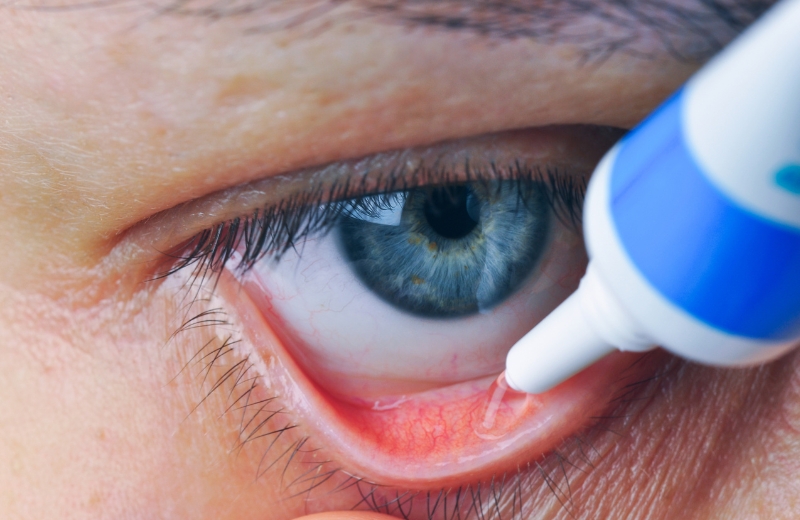
Squeeze a small, pea-sized amount of ointment onto a clean fingertip or a sterile cotton swab. Do not touch the tip of the tube to your skin or eyelid to keep it sterile.
Step 3: Apply Along the Incision
Gently spread a thin layer along the incision line. Do not insert the ointment into the eye itself unless instructed by your surgeon. Focus on coating the surgical area lightly without excessive pressure.
Step 4: Apply Lubricating Ointment (if recommended)
If your surgeon prescribed a lubricating ointment for dryness, you can place a small amount inside the lower eyelid. Close your eyes gently to spread them evenly. Avoid blinking forcefully.
Step 5: Clean Up Excess
Wipe off any excess ointment around the eyelid with a clean tissue. Blurred vision is normal immediately after applying the ointment, but it will clear within a few minutes.
Step 6: Repeat as Directed
Follow your surgeon’s schedule, usually 2-3 times per day, or as recommended for your specific ointment type.

Ready to achieve your aesthetic goals?
- CQC-Registered Clinic with Nationally Recognised Leadership
- Over a Decade of Surgical & Aesthetic Expertise
- Personalised treatment plans tailored to your needs
Common Mistakes to Avoid
- Using too much ointment (causes blurred vision and messiness)
- Skipping applications
- Pressing or rubbing the incision site
- Touching the tube tip to your eyelid
Correct application helps ensure your eyelids heal without infection, dryness, or unnecessary irritation.
What Cream to Use After Eyelid Surgery?
After eyelid surgery, the type of cream or ointment you use is critical for safe healing. Here’s what patients generally need to know:
1. Antibiotic Ointments
Surgeons commonly prescribe antibiotic ointments like bacitracin or erythromycin. These are applied directly to the incision to prevent bacterial infection, reduce redness, and promote a clean healing environment. Use only as directed by your surgeon.
2. Lubricating or Moisturising Ointments
Ointments containing petrolatum or mineral oil help keep the eyelid skin moist. They prevent dryness, cracking, or discomfort, especially at night.
3. Scar-Reducing Creams (Later Stage)
Once the incision is fully closed and your surgeon approves, gentle scar-reducing creams containing silicone can be applied. These improve texture and minimise scar appearance. Avoid using any scar cream while the incision is open.
4. Avoid Harsh Products
Do not use acne creams, steroid creams, or anti-ageing products immediately after surgery. They can irritate the incision, slow healing, or cause infection.
Key Tips
- Always follow your surgeon’s instructions for type, amount, and frequency.
- Only apply cream to the incision and surrounding skin as directed.
- Avoid getting the cream inside your eye unless approved.
- Monitor for any signs of redness, swelling, or discomfort and report them to your doctor.
Choosing the right cream and using it correctly is crucial for a smooth recovery, preventing infection, and minimising scarring.
Precautions to Take When Using Ointment After Blepharoplasty
The right precautions ensure your eyelids heal smoothly, reduce the risk of infection, and prevent unnecessary complications.
1. Follow your surgeon’s instructions: Use the prescribed ointment exactly as directed. Do not change frequency or duration without approval.
2. Wash your hands first: Clean hands reduce the chance of bacteria reaching your healing eyelids.
3. Keep the tube tip sterile: Avoid touching the nozzle to skin, lashes, or fingers to prevent contamination.
4. Apply a thin layer: A small amount is enough. Too much can blur vision or slow healing.
5. Use only eye-safe ointments: Do not substitute with regular creams or non-ophthalmic antibiotics.
6. Avoid makeup and contact lenses: Both increase infection risk and can irritate healing incisions.
7. Keep the area dry: Skip swimming, hot tubs, or direct shower spray until cleared by your surgeon.
8. Watch for allergic reactions: Redness, itching, or swelling may signal an allergy, contact your surgeon immediately.
9. Avoid prolonged antibiotic use: Stop once your surgeon advises. Overuse can cause resistance or irritation.
10. Don’t share your ointment: Sharing spreads bacteria and risks contamination.
11. Avoid driving right after use: Temporary blurred vision is common; wait until vision clears.
12. Clean gently before applying: If advised, remove crusts with saline and a clean swab before applying.
13. Keep follow-up appointments: Regular checkups confirm proper healing and guide when to stop the ointment.
Signs Ointment Use May Be Needed Longer
Most patients use the ointment for 7-10 days, but in some cases, continued use is necessary. Your surgeon may recommend keeping the ointment in your routine longer if:
Ready to achieve your aesthetic goals?
- CQC-Registered Clinic with Nationally Recognised Leadership
- Over a Decade of Surgical & Aesthetic Expertise
- Personalised treatment plans tailored to your needs
- Incisions are still red, dry, or scabbing
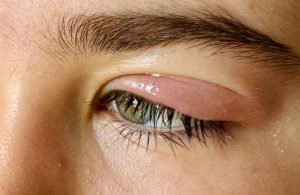
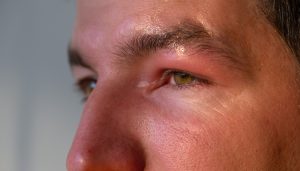
- You have persistent swelling or irritation
- You are experiencing dryness of the eye or eyelids
- You have a history of slow healing
If your eyelids don’t look or feel fully healed, do not stop the ointment on your own. Always confirm with your surgeon.
Risks of Prolonged Ointment Use
While ointment is safe and effective during the healing phase, using it longer than necessary can have downsides:
- Antibiotic resistance – If an antibiotic ointment is used beyond the prescribed course, bacteria may adapt, making future infections harder to treat.
- Fungal or secondary infections – A moist environment without need can encourage fungal growth, especially around the eyes.
- Delayed healing – Overuse may soften tissue too much, slowing the natural closure of the incision.
- Skin irritation or allergy – Prolonged contact can sometimes trigger allergic dermatitis, redness, or itching.
- Blurry vision and discomfort – Thick ointments, especially lubricating ones, may blur vision for extended periods if used excessively.
This is why stopping at the right time is just as important as starting early. Your surgeon balances the benefits with the potential risks.
Recovery Tips Beyond Ointments
Ointment is only one part of recovery after blepharoplasty. To heal well and get the best results, patients should also focus on the following:
- Cold compresses in the first 48 hours: Helps minimise swelling and bruising.
- Switch to warm compresses after a few days: Encourages circulation and reduces stiffness.
- Keep your head elevated: Sleeping with an extra pillow reduces swelling and speeds up healing.
- Follow proper wound care: Clean incisions only as directed and avoid harsh products.
- Avoid strenuous activity: No heavy lifting, intense exercise, or bending over for at least 2 weeks.
- Protect your eyes from the sun and wind: Wear sunglasses outdoors to reduce irritation and protect healing skin.
- Maintain a healthy lifestyle: Stay hydrated, eat nutrient-rich foods, and avoid smoking or alcohol, which can slow recovery.
- Attend follow-up appointments: These visits allow your surgeon to track healing and adjust your care plan.
By combining ointment use with these recovery steps, you give your eyelids the best chance to heal smoothly and with minimal scarring.
Final Thoughts
Most patients will need to use ointment for one to three weeks after blepharoplasty, but the exact duration is always guided by the surgeon’s advice. In the early stage, an antibiotic ointment is typically applied to prevent infection and keep the incision moist. Once the risk of infection decreases, a gentle moisturising ointment is often recommended to support the remainder of healing.
Frequently Asked Questions
1. How long should I use the ointment after blepharoplasty?
Most patients use the ointment for 1-3 weeks, depending on the type of ointment and their healing progress. Antibiotic ointment is usually applied for the first week, followed by a moisturising ointment until the skin heals. Always follow your surgeon’s specific instructions.
2. Can I stop using the ointment once my eyelids feel better?
Not on your own. Even if discomfort improves, stopping too early may increase the risk of infection or delayed healing. Only stop when your surgeon confirms it’s safe.
3. Which ointment is best after eyelid surgery?
Surgeons typically prescribe an antibiotic ointment immediately after surgery, then recommend a gentle moisturising ointment once the incision has closed. Never use over-the-counter creams without medical approval.
4. What happens if I use the ointment for too long?
Prolonged use, especially with antibiotic ointments, may lead to resistance, skin irritation, or fungal growth. That’s why it’s important to stop as soon as your surgeon advises.
5. Can I apply ointment inside my eye or only on the incision?
The application depends on the type. Antibiotic ointment is usually applied along the incision line, while lubricating ointment may be placed inside the lower eyelid for dryness.