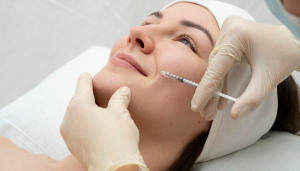
Sagging skin is a common concern that many people face as they age or experience lifestyle changes. It can affect anyone, regardless of gender, and often appears on the face, neck, arms, or body where the skin begins to lose its firmness. If you’ve noticed your skin looking less tight or your jawline less defined, understanding sagging skin and what you can do about it is essential.
This comprehensive guide will explore everything you need to know about sagging skin: what it is, why it happens, signs to watch for, prevention tips, and the best clinic treatments available today.
What is Sagging Skin?
Sagging skin, also known as loose or saggy skin, is the drooping or hanging of skin caused by a loss of elasticity and support beneath the surface. It tends to differ from common wrinkles or volume loss in that it affects the overall contour and firmness of the skin rather than just surface lines or depleted fat.
Wrinkles are fine lines caused mainly by repeated facial movements and aging of the skin surface. Sagging skin involves deeper structural stripping such as breakdown of collagen and elastin that results in the skin losing its ability to “bounce back.” This leads to laxity and drooping, making the skin look aged and tired.
Where Does Sagging Skin Show Up Most?
Sagging skin is most common on areas where the skin and soft tissue are more delicate or frequently moved:
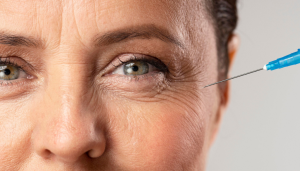
Face: Cheeks, jawline (jowls), under the eyes, and around the mouth
Neck: Often called “turkey neck” when loose skin creates folds
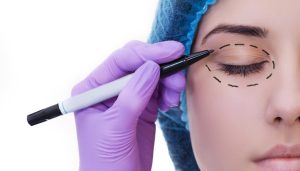
Eyelids: Drooping upper or lower lids
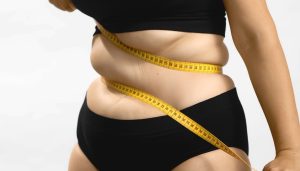
Body areas: Underarms (bat wings), abdomen (especially post-pregnancy or weight loss), thighs, and buttocks
These areas are more visible and impact one’s appearance profoundly, which drives people to seek treatment.
Why Does Skin Sag? The Science Made Simple
The key reasons for sagging skin lie in natural, biological processes that are accelerated by environment and lifestyle factors.
01. Collagen and Elastin Breakdown
Collagen and elastin are the proteins responsible for skin’s firmness and elasticity. Collagen acts as the skin’s scaffolding, while elastin gives it the ability to stretch and return to its shape. As you age, your body produces less of these proteins, which weakens the skin’s support, causing sagging.
02. Fat Redistribution and Volume Loss
Beneath the skin, fat pads provide volume and youthful contours. Over time, these pads shrink or shift downward, which causes hollowness in cheeks and prominent jowls. Loss of volume means the skin has less structural support, resulting in saggy skin face and loose skin face.
Ready to achieve your aesthetic goals?
CQC-Registered Clinic with Nationally Recognised Leadership
Over a Decade of Surgical & Aesthetic Expertise
Personalised treatment plans tailored to your needs
03. Skin Thinning, Sun Damage, and Hormonal Changes
The skin’s outermost layer thins with age, making it less resilient to gravity and environmental factors. Sun exposure is one of the leading causes of accelerated collagen breakdown, which worsens sagging. Hormonal changes, especially during menopause, also reduce skin thickness and elasticity.
04. Gravity, Lifestyle, and Genetics
The effect of gravity pulling down on the skin adds to sagging over years. Lifestyle choices such as smoking, stress, poor sleep, and repetitive facial movements (e.g., squinting) worsen sagging. Genetics further determine your skin’s natural resilience and how quickly sagging occurs.
Common Causes & Risk Factors
Understanding the factors contributing to sagging skin helps in prevention:
Age (natural collagen breakdown)
Sun exposure (UV radiation damage)
Smoking (damages collagen and elastin)
Rapid weight loss or weight fluctuations
Pregnancy (stretches skin, hormonal influence)
Repetitive facial movements (wrinkles and sagging synergy)
Poor skincare routine (lack of protection and nourishment)
Medical conditions (thyroid disorders, hormonal imbalances)
Signs to Watch For: Mild, Moderate, Severe
Identifying how far sagging has progressed helps you decide when to see a clinician.
Mild sagging: Slight drooping near jawline or under eyes, subtle hollowing in cheeks
Severe sagging: Deep folds and hanging skin, loss of defined contours, profound neck sagging
Simple self-checks: In front of a mirror, tilt your head down and look for skin folds or shadows. Gently pinch skin to see if it springs back quickly.
Prevention & Everyday Habits That Help
Prevention strategies are vital for delaying or minimizing saggy skin. Here are clinic-friendly practical tips:
Sunscreen: Use broad-spectrum SPF 30+ daily. Protecting against UV slows collagen damage.
Sleep position: Sleeping on your back reduces pressure and creasing that cause sagging skin face.
Nutrition: Eat a diet rich in antioxidants (vitamin C, E), protein, and healthy fats that support skin.
Exercise: Both full-body and facial exercises help maintain muscle tone and circulation.
Most non-invasive treatments have minimal downtime some redness, swelling, or bruising might occur but resolves quickly. Thread lifts may cause short-term discomfort or unevenness.
Surgical treatments carry typical surgical risks: bleeding, infection, longer healing times, and potential scarring. Always choose certified clinicians and follow aftercare for best outcomes.
Conclusion
Sagging skin is a natural phase of aging but can also result from lifestyle and environmental factors. By understanding what causes sagging, recognizing early signs, adopting prevention habits, and accessing modern clinic treatments, you can keep your skin firm and youthful for longer.
If sagging skin concerns you, consulting with a qualified skin specialist can help tailor the best plan for your skin’s unique needs. There is a wide range of solutions from effective at-home care to state-of-the-art clinical treatments to smooth, lift, and restore your skin’s natural resilience and beauty.
Frequently Asked Questions (FAQs)
01. Can sagging skin be reversed without surgery? Yes, non-surgical treatments like radiofrequency, ultrasound, fillers, and thread lifts provide effective lifting and tightening for mild-to-moderate sagging.
02. How do I know if my sagging skin is severe? Severe sagging shows as deep folds, hanging skin on the neck or jawline, or heavy eyelids that affect appearance and sometimes function.
03. Which skincare ingredients help sagging skin? Retinoids, peptides, vitamin C, hyaluronic acid, and daily SPF are proven to support skin firmness when used consistently.
04. Are non-surgical treatments safe for all skin types? Most clinic treatments like RF and HIFU are suitable for various skin tones. A consultation will determine the best options based on your skin.
05. What is the downtime after a facelift? Downtime is typically 2-4 weeks. Non-surgical procedures carry minimal to no downtime and allow quick return to activities.
Connect with Us
Please provide your details, and we will get back to you shortly.
About Dr. Raj Thethi - Medical Reviewer
Dr. Raj Thethi
Yorkshire Skin Centre in Leeds is a CQC-registered medical clinic. It is led by Dr Raj Thethi who completed his core surgical training in hospitals around West Yorkshire before branching into aesthetics.
Dr Raj Thethi is a Northern Territory Regional Expert for an international dermal filler company called Teoxane. He also sits on their National UK Faculty.
When most people hear the word fat, they immediately connect it with weight gain, poor health, or an unhealthy lifestyle. But in reality, fat is one of the most important components of the human body. Without fat, we simply cannot survive. It plays an important role in protecting our organs, storing energy, maintaining body temperature, […]
If you’ve been thinking about eyelid surgery, it’s normal to pause and ask the big question: is blepharoplasty safe? You might be looking in the mirror and noticing heavy upper lids, under-eye “bags,” or a tired look that doesn’t match how you feel. You may also be wondering whether surgery near the eyes is risky. […]
Do you look in the mirror and try to smile, but see those wrinkles around your eyes? They may make you wonder how to get rid of crow’s feet. These lateral canthal lines are a part of the natural ageing process, but that doesn’t mean you have to live with them.. At Yorkshire Skin Centre […]
Profhilo and Sculptra are both injectable treatments designed to improve ageing skin, but they work in very different ways. Profhilo focuses on deep hydration and overall skin quality, while Sculptra stimulates your body to produce new collagen and restore lost volume. In this blog, you will learn all about Profhilo and Sculptra, how they work, […]
The gluteal sulcus, commonly known as the horizontal buttock crease or gluteal fold, is the area of skin where the lower curve of the buttocks meets the upper part of the thigh. While often discussed in fitness and plastic surgery circles, it is a complex anatomical feature involving skin, fat, and fascia. It serves as […]
Please provide your details, and we will get back to you shortly.
Connect with Us
Please provide your details, and we will get back to you shortly.
Mr Mark Gorman
Consultant Plastic Surgeon
Dr. Mark Gorman is a consultant plastic surgeon and department lead at Salford Royal, specialising in facial plastics and complex reconstructive procedures. His expertise spans a wide range of areas, including oculoplastic, nasal, ear, abdominal, and microsurgical reconstruction, with particular focus on breast, head and neck, and lower limb reconstruction.
With a non-surgical and surgical skillet, Dr. Gorman is known for using advanced techniques to achieve natural, harmonious results. His approach often integrates dermal fillers and fat transfer to enhance facial features in combination with a range of deep plane facelifts.
Beyond facial aesthetics, his specialties include high-definition liposuction, allowing for precise body contouring.
Dr. Gorman’s approach to plastic surgery is rooted in skill, combining technical precision with a deep understanding of aesthetics to achieve refined and personalised outcomes for each patient.Dr.Gorman is a key opinion leader (KOL) for major UK aesthetic companies, also has taught at BAAPS (British Association of Aesthetic Plastic Surgeons), bringing his expertise to the next generation of surgeons.
Additionally, he runs his own aesthetic training company, further extending his influence in the field.Dedicated to total well-being, Dr. Gorman created the Look Body Mind philosophy, which blends aesthetics and wellness for a holistic approach to beauty.Whether you’re looking for subtle enhancements or comprehensive reconstructive work, Dr. Gorman’s patient-centered care, grounded in precision, skill and an exceptional aesthetic eye, ensures that you will feel confident throughout your journey.
Sophie Harrison
Administrator
Sophie brings over a decade of customer service expertise to her role as Receptionist at Yorkshire Skin Centre. With a strong foundation in retail management and the travel industry, she is recognised for her warm, approachable manner and professional attitude—ensuring every client feels welcomed and valued from the moment they arrive.
Highly organised and calm under pressure, Sophie thrives in fast-paced environments and seamlessly manages a wide range of front-of-house responsibilities.
As the first point of contact for many clients, she plays a vital role in maintaining the clinic’s high standards of service and creating a smooth, reassuring experience for all visitors.
Beyond her professional skills, Sophie brings a vibrant energy to the team. She has a passion for travel, fashion, and music, and is currently learning both Spanish and Arabic. Her dedication to personal growth, combined with her friendly and proactive approach, makes her an indispensable part of our team.
Herezel McCourt
Senior Surgical Sister(RN)
Herezel McCourt is a highly experienced Registered Nurse at Yorkshire Skin Centre, bringing over two decades of clinical expertise across diverse surgical and medical specialties. She holds a BSc (Hons) in Perioperative Practice from Huddersfield University, UK, and a BSc in Nursing from Cebu Doctors’ University in the Philippines.
Herezel has spent the majority of her career within the NHS, most recently as a Clinical Specialist in Ophthalmic Surgery at The MidYorkshire Teaching NHS Trust.
Her extensive background includes roles in operating theatres, anaesthetic care, ENT, urology, plastics, maxillofacial, orthopaedic, and podiatric nursing, among others.
Renowned for her professionalism, dedication, and compassionate care, Herezel is also a trained mentor, assessor, and ANTT trainer. She has led initiatives in recruitment, risk assessment, SOP development, and patient care pathway planning. Her leadership credentials are strengthened by a Level 3 Award in First Line Management and a strong commitment to staff development and peer support.
Herezel is a calm and supportive presence to both patients and colleagues, and her attention to clinical excellence makes her an invaluable member of the Yorkshire Skin Centre team.
Rhea Levitt
Clinical Assistant
Rhea Levitt is a highly experienced Clinical Assistant at Yorkshire Skin Centre, known for her hands-on approach, warm personality, and commitment to delivering high-quality patient care. With a solid background in healthcare settings, Rhea brings valuable clinical expertise and administrative support to the team.
Her wide-ranging experience includes phlebotomy, wound care, ECGs, diabetic foot checks, B12 injections, and assisting in minor surgical procedures. She is also skilled in patient health monitoring, spirometry, and providing support during clinics such as coil fittings and cancer care.
Rhea’s well-rounded clinical knowledge is matched by her excellent organisational skills and a calm, compassionate approach to patient wellbeing.
In addition to her clinical duties, Rhea supports the practice by carrying out internal audits and ensuring best practices are upheld throughout the clinic. She plays a key role in maintaining smooth day-to-day operations and upholding the high standards that Yorkshire Skin Centre is known for. Dedicated, professional, and always ready to help, Rhea is an invaluable member of the team who helps ensure that every patient receives attentive, safe, and seamless care.
Raman Kaur
Administrator
Raman holds a Bachelor of Science with Bachelor of Education (BSc, BEd) from India, a qualification that integrates scientific studies and teaching education, equipping her with a strong foundation in both fields. She is currently building her career in the UK healthcare industry, bringing her hardworking, compassionate, and friendly nature to the team. With valuable experience in customer service and patient care, Raman plays a key role in managing day-to-day operations, handling bookings, and ensuring a smooth and welcoming experience for all patients.
Her dedication to excellence and passion for healthcare and client well-being make her an integral part of our team.
Nichola
Practitioner
Nichola is a highly skilled practitioner with a strong background in beauty and holistic therapies. She earned her Level 3 Beauty Therapy qualification with distinction from the Yorkshire College of Beauty and further enhanced her expertise with Level 4 Specialist training. She is also CIDESCO-certified, an internationally recognized gold standard in beauty and spa therapy, ensuring clients receive the highest level of care and treatments. With 18 years of customer service experience, primarily in the hospitality industry, Nichola deeply understands the importance of building strong client relationships. She is known for her hardworking nature, punctuality, and dedication to continuous learning.
Passionate about skincare and wellness, Nichola is committed to expanding her expertise in a leading skin clinic. She believes that the knowledge and experience she gains will be invaluable in delivering the highest standard of care to her clients.
Request a Call Back
“ Your journey to skin perfection starts here. Leave your details, and our expert team will be in touch shortly.”
Please provide your details, and we will get back to you shortly.
Dr Sharan Thethi
Clinic Director
Dr Sharan BDS has a bachelor’s degree in Dentistry and Oral Surgery. She is married to Dr Raj and has taken a step back from dentistry to help run the family venture. She is the Manager of the Yorkshire Skin Centre.
Dr Raj Thethi
Founder and Medical Director
Dr Raj is the Founder and Clinical Director of the Yorkshire Aesthetic Clinic. With a successful career in aesthetics and a passion for patient care, Dr. Raj found that his expertise in facial aesthetics was a natural progression where he could showcase his warm and friendly demeanour alongside his exceptional skills.
Dr Raj specialises in advanced facial aesthetics, offering a wide range of treatments and skin procedures. With his extensive training and experience in both medical and aesthetic fields, he brings a unique perspective to delivering exceptional results.
Driven by his passion for patient satisfaction, Dr Raj established the Yorkshire Aesthetic Clinic. Located in a comfortable and welcoming environment, the clinic provides a luxurious and refined setting for patients seeking aesthetic treatments…. Read More
Get a free eBook
Fill in the details below and download free eBook
Sarah Coates
Patient Representative
Hi, I’m Sarah Coates. I’m a Senior Change Manager, Hogan accredited coach, proud mum of 2 beautiful boys and am blessed with incredible friends to get into mischief with!
As I headed towards my 40th birthday, my life changed in a way that I could never have imagined and I came off that roller coaster with a new lease of life, with an understanding of the importance of self care and a huge amount of gratitude.
I love to travel, have a passion for interior design and enjoy sharing all that life has to offer with my beautiful family and fabulous friends.
If I’m not at work, you’ll find me playing at the park with my boys, enjoying the sun in Ibiza, listening to music or at the bar with a glass of fizz!
Bailey
Patient Representative
Hi I’m Bailey and I live in North Yorkshire with my husband and two working spaniels. I have been seeing Dr. Raj for facial rebalancing due to trauma and anti-aging procedures for six years.
Abie Ansari
Patient Representative
I am Senior Manager currently working for a small charity based in Leeds. My role is both professionally stimulating and challenging. No two days are ever the same. It includes aspects of advocacy, client rights, individual representation and inclusivity.
One milestone that resonates deeply is the creation of support groups, safe spaces where clients can openly share their stories. Witnessing the impact of these connections has fuelled my determination to improve the journey of others.
Through my own aesthetic endeavours , I’ve developed an unparalleled understanding of the emotional nuances tied to cosmetic treatments. This empathy allows me to offer sincere reassurance and guidance, especially during moments of vulnerability, in an era of aesthetic care that marries technical expertise with genuine human understanding and a person centred approach.
In my spare time I love the outdoors, enjoying hillwalking, taking part in sport, managing my bountiful allotment, and enhancing my cookery skills trying different cuisines (..no Masterchef yet).. and travel.
Dr. Farzana Khan
Consultant and General Surgeon
Dr. Khan earned her MD from Copenhagen University in 2003 and boasts over 20 years of medical expertise. Her early career was dedicated to dermatology and gynaecology across Yorkshire, and in 2011, she became a qualified GP from The Royal College of General Practitioners in London.
Dr. Khan’s commitment to women’s health is evident through her achievements. In 2012, she earned a Diploma in Sexual and Reproductive Health.
Linda Conway
Sales Administrator
Linda comes from a sales and customer record management background.
Here at YSC she personally manages a huge volume of enquiries that come through our clinic everyday, regarding treatments and special offers. She has extensive customer service knowledge and also has wide knowledge of the beauty industry having been a successful manager for Virgin Vie cosmetics.
Dr Camila Valencia
Aesthetic Doctor
Dr Valencia has over 10 years experience in the aesthetic field. Originally from Ecuador, she moved to the UK in 2014. Dr Valencia performs a wide range of treatments at the Yorkshire Skin Centre including injectables, consultations and minor surgery.
Dr Valencia comes from a family of surgeons and is proud to have been taught by some of the best physicians both at home and at the School of Medicine in Guayaquil -Ecuador.As an entrepreneur, she founded her own Laser Hair Removal company and worked in various specialist Aesthetic Medicine clinics in Madrid for 11 years.
In 2014 she moved to the UK with her family and now works very closely with Dr Raj, as an associate doctor at the Yorkshire Skin Centre.
Dr Valencia is committed to helping her patients to understand and enhance their appearance, always with a view to achieving a natural-looking result.
Qualifications:
MSc Cordoba University 2009
PGDip Alcala University 2007
DMed University of Santiago 2003
Sophie Walker
Expert Practitioner
Sophie is a highly experienced practitioner. She passed her Level 3 Beauty Therapy with a distinction at Yorkshire College of Beauty, also completed her Level 4 Specialist training. She is also CIDESCO qualified. CIDESCO is the world standard for beauty and spa therapy meaning you are getting the very best of treatments at an internationally examined standard.
Sophie works in the clinic 5 days a week and performs many treatments such as HydraFacial, Forma, Laser Therapy, Morpheus8, UltraClear Laser, fat freezing, ThermaVein, chemical peels, derma planning and much more. Rest assured you are in safe, experienced hands.
Nationally recognised leader in the field of Aesthetics
Yorkshire Skin Centre in Leeds is a CQC registered medical clinic. Led by Dr Raj Thethi who completed his core surgical training in hospitals around West Yorkshire before branching into aesthetic medicine.
Dr Raj Thethi is a Northern Territory Regional Expert for an international dermal filler company called Teoxane. He also sits on their National UK Faculty. He is nationally recognised leader in the field of Aesthetics and a skilled trainer up..Yorkshire Skin Centre in Leeds is a CQC registered medical clinic. Led by Dr Raj Thethi who completed his core surgical training in hospitals around West Yorkshire before branching into aesthetic medicine.
Book a
Consultation
★★★★★5/5
Excellent 470+ Reviews
on
Mr Jeeva
Consultant Ophthalmologist & Oculoplastic Surgeon
Mr Jeeva is celebrated for his mastery in aesthetic eyelid surgery. By adopting a patient-centric ethos, he delivers personalised treatments that amplify natural beauty and revive youthful vitality.
He has completed a prestigious fellowship at the Royal College of Surgeons, specialising in cosmetic plastic surgery. This rigorous training has endowed him with advanced techniques in aesthetic surgery, ensuring outcomes that are both beautiful and natural.
With a specialised fellowship in oculoplastic surgery, Mr Jeeva has honed his skills in delicate eyelid surgeries, tear duct disorders… Read More
Alana Hunter
Independent Nurse Prescriber
Alana embarked on a career in nursing in 2008, following her comprehensive training and graduation. Since then, she has accrued a wealth of experience working in a variety of roles within both the NHS and private healthcare sectors. Known for her dedication and exceptional skills, Alana rapidly ascended into management, and for the past seven years, has been serving as a matron.
Throughout her career, she has consistently maintained her clinical competencies and academic studies. She initially earned a Bachelor’s degree in Nursing, later advancing her studies to become an Advanced Nurse Practitioner and Independent Prescriber. Her commitment to continuous professional development led to the completion of her full Master’s degree.
Alana’s passion for skin spurred her to further specialise in this field. In 2017, she pursued training in facial aesthetics, a decision that marked the beginning of a significant new chapter in her career. Since then, she has been affiliated with several leading skin clinics across the UK, where she has honed her expertise and built a reputation for excellence. Her extensive knowledge and experience in skin led her to become an expert medical trainer and since 2021, Alana has been imparting her knowledge at an award-winning training academy. Previously, she held the prestigious position of National Trainer for SKN Clinics, where she educated a variety of medical professionals, including plastic surgeons.
While Alana enjoys all aspects of skin, she has a particular fondness for medical-grade skin care, which she believes offers unparalleled benefits to patients. Her dedication to patient care and her professional knowledge and skills, make her a standout figure in this field. Through her work, Alana has positively impacted numerous lives, helping patients achieve their best skin health and aesthetic goals. In her trainer role, Alana is known for her meticulous approach and her ability to convey complex information in an accessible manner, ensuring that her trainees are well-equipped to deliver high-quality care. Her leadership and mentorship have been crucial in elevating the standards of practice within the industry.
Alana’s career is a testament to her unwavering commitment to excellence in nursing and aesthetics. Her professional journey reflects a blend of clinical expertise, academic achievement, and a genuine passion for improving patient care. As she continues to advance her career, Alana remains dedicated to staying at the forefront of the field, continually enhancing her skills and knowledge to provide the best possible care to her patients and to train the next generation of skin care professionals.
Mr Nikos Lymperopoulos
Consultant Plastic & Reconstructive Surgeon
With over 15 years of experience in the NHS, Mr Nikos Lymperopoulos specialises in reconstructive and cosmetic plastic surgery. He graduated from the University of Athens Medical in 2009 and completed his basic surgical training in Liverpool. After earning a PhD with honours in DIEP clinical anatomy research in 2013, he completed advanced surgical training in plastic surgery across Yorkshire and Liverpool, including a cosmetic fellowship in the North West.
Mr Lymperopoulos further honed his expertise with two prestigious breast reconstruction microsurgical fellowships at The Royal Marsden Hospital in Chelsea and Guy’s & St Thomas’ Hospitals in London. His extensive experience in breast reconstruction after mastectomy provides a profound understanding of surgical anatomy and aesthetics, benefiting procedures such as breast augmentation, reduction, and uplift. Additionally, he is highly skilled in abdominoplasty, often enhanced with liposuction or muscle repair, especially post-pregnancy.
Specialising in skin cancer treatment, he adeptly handles Basal Cell Carcinoma, Squamous Cell Carcinoma, and Melanoma. He offers a comprehensive range of breast and body cosmetic surgeries, including breast augmentation with implants or fat transfer, breast reduction, uplift, tummy tucks, and liposuction. Combined procedures, such as “mommy makeovers,” are also available to restore post-pregnancy body contours.
Trained in both surgical and non-surgical facial rejuvenation, Mr Lymperopoulos performs eyelid surgery (blepharoplasty), as well as toxin and filler injections. Currently, he serves as a Consultant at Mid Yorkshire Teaching Hospitals, specialising in breast reconstruction and skin cancer surgery, and holds an Honorary Senior Lecturer position at the University of Leeds.
An advocate for education and research, Mr Lymperopoulos has over 20 publications in peer-reviewed journals and a PhD in microsurgical breast reconstruction. As an Education Lead, he developed “The Yorkshire FRCS (Plast) Course” to aid UK trainees in their exit exams. His innovative training simulator was awarded first place in Innovation at the BAPRAS meeting in 2021.
Blepharoplasty
Blepharoplasty, also known as an eye lift, is a surgical procedure performed on the eyelids to improve their appearance. It can address concerns like:
Excess skin on the upper eyelids: This can obstruct vision and create a hooded appearance.
Bags under the lower eyelids: These can make you look tired or aged.
Drooping lower eyelids: This can also obstruct vision and contribute to a tired appearance.
Types of Blepharoplasty:
Upper blepharoplasty: This addresses concerns with the upper eyelids, removing excess skin and sometimes fat or muscle tissue.
Lower blepharoplasty: This addresses concerns with the lower eyelids, removing excess fat or skin and sometimes repositioning tissues.
Asian blepharoplasty: This addresses specific concerns related to the anatomy of Asian eyelids, creating a more defined crease.