Blog /
Eye Care /
Why Do My Eyelids Feel Heavy? Causes, Symptoms & Treatments
Why Do My Eyelids Feel Heavy? Causes, Symptoms & Treatments
Have you ever noticed your eyelids feeling unusually heavy, making it a struggle to keep your eyes open even when you’re not tired? This common yet frustrating sensation can impact daily comfort and sometimes hint at underlying issues you might not be aware of.
Whether it’s a fleeting feeling after a long day or a persistent drag that affects your appearance and vision, understanding why your eyelids feel heavy is the first step toward effective relief. This article explores the causes, symptoms, and treatments for heavy eyelids, so you can regain that refreshed, wide-awake look and feel.
What Causes Eyelids to Feel Heavy?
Heavy eyelids can arise from several causes, often related to lifestyle, health conditions, or anatomy:
- Fatigue and Sleep Deprivation: Lack of rest weakens the muscles that keep eyelids open, causing a tired, heavy sensation.
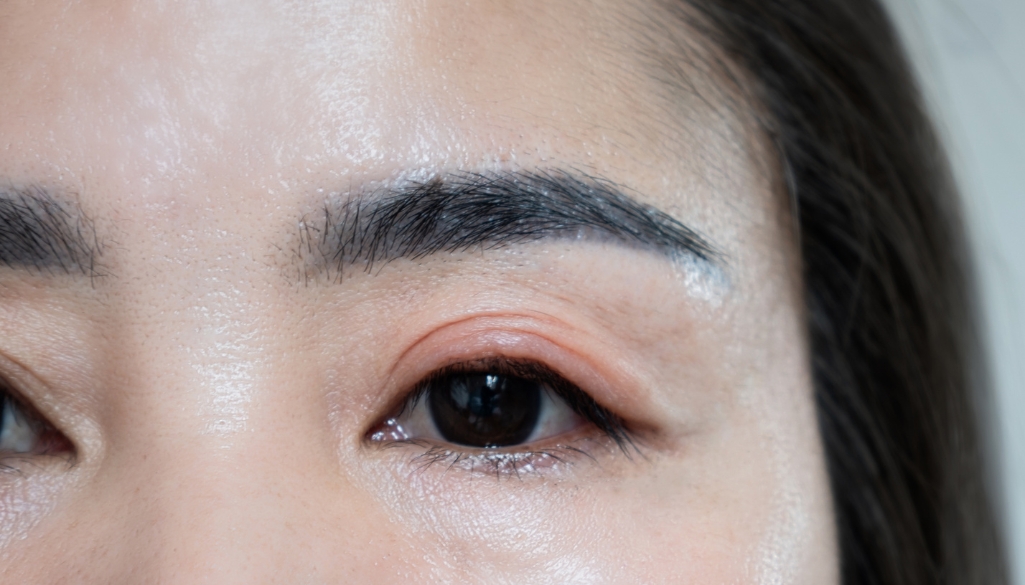
- Ageing and Ptosis: With age, eyelid muscles (levator muscles) can weaken, or excess skin can develop, leading to droopy or heavy eyelids. Ptosis specifically refers to drooping caused by muscle dysfunction.
- Excess Skin and Fat Deposits: Some people naturally have extra skin or fat on their upper eyelids, sometimes inherited, which can give a heavy or tired look.
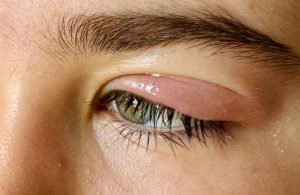
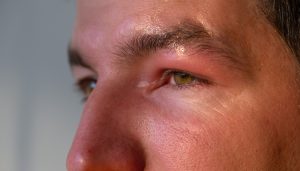
- Allergies and Inflammation: Swelling from allergies or sinus issues can make eyelids feel puffy and heavy.
- Eye Strain: Long hours on digital screens can tire the eye muscles, causing eyelid heaviness and blurred vision.
- Dry Eye and Blocked Glands: Blockage of the eyelid glands (such as the meibomian glands) can cause eyelid swelling, soreness, and heaviness.
Why Do My Eyelids Feel Heavy But Look Fine?
Sometimes the eyelid feels heavy, with no visible signs of drooping or swelling. This can be due to muscle fatigue or eye strain that doesn’t cause obvious eyelid changes.
Dry eyes or subtle inflammation may also create a sensation of heaviness without outward appearance. It’s important to consider lifestyle factors such as prolonged screen time, poor sleep, and dehydration in these cases.
Symptoms Related to Heavy Eyelids and What They Mean
Heavy eyelids are often accompanied by other symptoms such as:
- A sensation of tiredness in the eyes, even after rest
- Eyelids that feel “sleepy” or sluggish
- Pressure or discomfort around the eyes
- Occasional eyelid twitching
- Blurred vision if eyelid droop affects vision
Heavy eyelids, often linked to tiredness or sleepiness, usually indicate simple muscle fatigue and eye strain. However, persistent drooping or heaviness that affects vision or worsens should be evaluated for medical causes like ptosis or dermatochalasis (excess skin).
Treatments for Heavy Eyelids
The appropriate treatment depends on the underlying cause and severity. Options include:

Ready to achieve your aesthetic goals?
- CQC-Registered Clinic with Nationally Recognised Leadership
- Over a Decade of Surgical & Aesthetic Expertise
- Personalised treatment plans tailored to your needs
01. Lifestyle Adjustments
One of the simplest approaches to relieving heavy eyelids is making certain lifestyle changes. These can include improving sleep quality by establishing regular sleep patterns, reducing prolonged screen time to prevent eye strain, managing allergies through medications or avoiding triggers, and staying well-hydrated.
These adjustments may alleviate symptoms of tired or heavy eyelids caused by fatigue or environmental factors.
02. Eye Drops and Warm Compresses
For eyelid heaviness caused by dryness or gland blockages, eye drops that lubricate and soothe the eyes can offer relief. Warm compresses applied to the eyelids help to open blocked meibomian glands, reducing inflammation and swelling that contribute to the sensation of heavy eyelids. These remedies are noninvasive and can be part of daily eyelid care.
03. Muscle-Relaxing Injections (Botox)
Botox injections are popular for addressing mild to moderate heavy eyelids. They work by relaxing specific muscles around the eyes that cause drooping, such as those that pull down the eyebrows.
By weakening these muscles, Botox can create a subtle lift, improving both appearance and eyelid heaviness. However, the effect is temporary, lasting roughly three to six months, requiring repeat sessions for sustained results.
04. Dermal Fillers
Dermal fillers, made from hyaluronic acid, are another non-surgical option. They can add volume and support to the brow or upper eyelid areas, counteracting sagging skin that contributes to the heavy eyelid look. Fillers provide a contouring effect that lifts and smooths the area, with effects typically lasting six to twelve months. These treatments involve minimal downtime.
05. Blepharoplasty (Eyelid Surgery)
For more significant or persistent heavy eyelids, blepharoplasty offers a surgical solution. This procedure removes excess skin, fat, and sometimes muscle from the upper (and sometimes lower) eyelids to achieve a cleaner, lifted eyelid contour.
It improves both cosmetic appearance and functional issues like vision obstruction caused by sagging eyelids. Recovery usually takes one to two weeks, depending on the extent of surgery. Blepharoplasty provides long-lasting, often permanent results and is considered the definitive treatment for eyelid-heavy problems related to ageing, ptosis, or dermatochalasis.
06. Upneeq Eye Drops
Upneeq is an FDA-approved prescription eye drop designed specifically to temporarily lift heavy eyelids by stimulating the muscles that hold the eyelid in a higher position. It can be especially useful for patients seeking a non-surgical, quick fix for eyelid heaviness. The effects last for several hours per application, making it suitable for occasional use or special occasions.
Each treatment option for heavy eyelids differs in invasiveness, recovery time, and duration of effect. Choosing the most appropriate treatment ideally involves consultation with an eye care specialist or oculoplastic surgeon who can evaluate individual conditions and recommend a personalised approach based on the cause of eyelid heaviness.
Ready to achieve your aesthetic goals?
- CQC-Registered Clinic with Nationally Recognised Leadership
- Over a Decade of Surgical & Aesthetic Expertise
- Personalised treatment plans tailored to your needs
When to See a Doctor
If heavy eyelids interfere with your vision, worsen despite lifestyle changes, or are accompanied by pain or sudden changes, it is important to seek medical evaluation. Early diagnosis can address underlying conditions, such as ptosis or nerve issues, and prevent complications.
Conclusion
Heavy eyelids can affect comfort, appearance, and even vision, but understanding the causes allows effective management. Whether it’s simple tiredness or a medical condition like ptosis, treatments span from home care to surgery, ensuring options for every need.
Early consultation with an eye care professional helps tailor the right approach for relief and rejuvenation, improving quality of life and confidence. Don’t hesitate to seek professional advice if heavy eyelids persist or impact your vision.
FAQs
01. Why do my eyelids feel heavy even when they look fine?
This can happen due to muscle fatigue, eye strain, or dry eyes, in which the eyelid muscles feel tired but there are no visible signs, such as swelling or drooping.
02. What causes eyelids to feel heavy and tired?
Common causes include lack of sleep, allergies, prolonged screen time leading to eye strain, and age-related muscle weakening. Sometimes, underlying medical conditions like ptosis can also cause heaviness.
03. Are heavy eyelids a sign of a medical problem?
Heavy eyelids are often harmless, but persistent drooping may signal nerve or muscle issues, such as ptosis, or neurological disorders that require medical attention.
04. What treatments are available for heavy eyelids?
Treatments range from lifestyle changes and eye drops to reduce dryness, Botox or dermal fillers for mild cases, and surgical options like blepharoplasty for excess eyelid skin or muscle repair.
05. When should I see a doctor about my heavy eyelids?
If your eyelids interfere with vision, worsen suddenly, or are accompanied by pain and other neurological symptoms, consult an eye specialist promptly to rule out serious conditions.